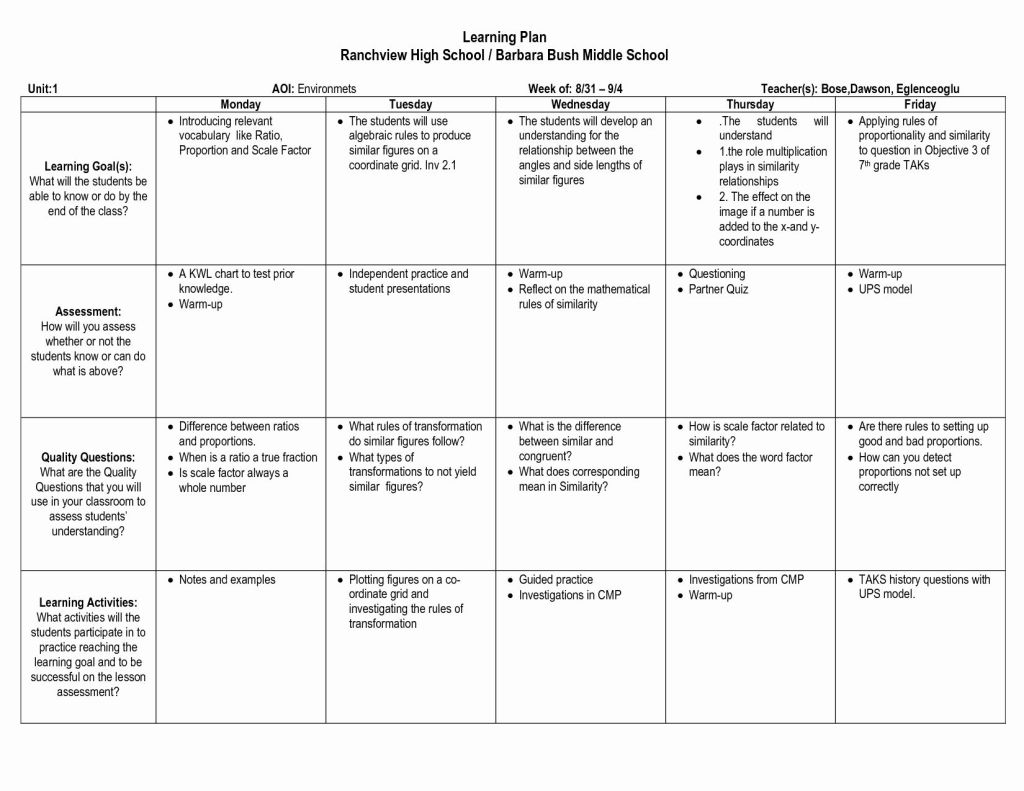
Personalized Learning Plans: A Comprehensive Guide
The traditional one-size-fits-all approach to education is not always effective in meeting the needs of every student. For this reason, many schools are now implementing personalized learning plans (PLPs) as a way to tailor education to individual students’ learning styles, strengths, and weaknesses.
So what exactly is a PLP? In simple terms, it’s a customized roadmap that outlines individual goals and strategies for achieving them. The objective is to help students take ownership of their own learning by setting realistic objectives and tracking their progress over time.
A typical PLP includes several components such as academic goals, career aspirations, extracurricular activities, social-emotional development, and any accommodations or modifications needed to support the student’s unique needs. It can be developed collaboratively between the teacher, student, parents/guardians or other professionals involved with the student’s education.
One of the main benefits of using PLPs is that they allow educators to recognize students’ diverse skills and talents beyond academics. They provide an opportunity for teachers to identify areas where students need extra support or challenge and adjust instruction accordingly.
Additionally, incorporating technology into PLPs has made them more interactive and engaging for students. Digital portfolios can include videos of presentations or projects demonstrating mastery of skills; online quizzes can help track progress towards mastery goals while providing immediate feedback on performance; collaborative tools like Google Docs allow for real-time collaboration among peers working on group projects.
Another advantage of PLPs is that they empower learners by giving them a sense of control over their own learning journey. By actively participating in creating their own educational plan based on their interests and abilities rather than being handed a pre-packaged curriculum without regard for personalization or differentiation.
However, some critics argue that personalized learning may not be suitable for all students especially those who require more structure in order to thrive academically. Additionally there are concerns about equity issues related to access to technology and resources needed for personalized learning.
Despite these challenges, the benefits of PLPs have been widely recognized by educators and policymakers. In fact, several states including Vermont, New Hampshire, and Rhode Island have implemented legislation requiring schools to offer personalized learning plans as a graduation requirement.
Moreover, research has shown that students who participate in PLPs are more likely to be engaged in their own learning process, take ownership of their academic progress, develop self-awareness skills that will translate into other areas of life such as decision-making or interpersonal relationships. They also report higher levels of motivation and satisfaction with school compared with those who do not use PLPs.
To ensure the effectiveness of personalized learning plans it’s important for teachers to receive training on how best to implement them. This includes understanding how to identify individual student needs; selecting appropriate instructional materials; monitoring student progress towards goals set out in their plan; providing ongoing feedback about performance; helping students reflect on what worked well or didn’t work so they can adjust future strategies accordingly.
In conclusion, personalized learning plans offer numerous benefits for both students and teachers alike. By tailoring education based on individual needs rather than taking a one-size-fits-all approach we can improve student engagement, motivation and outcomes while fostering lifelong learners who are equipped with the necessary skills for success beyond the classroom walls.
 Alternative Amie
Leave a comment