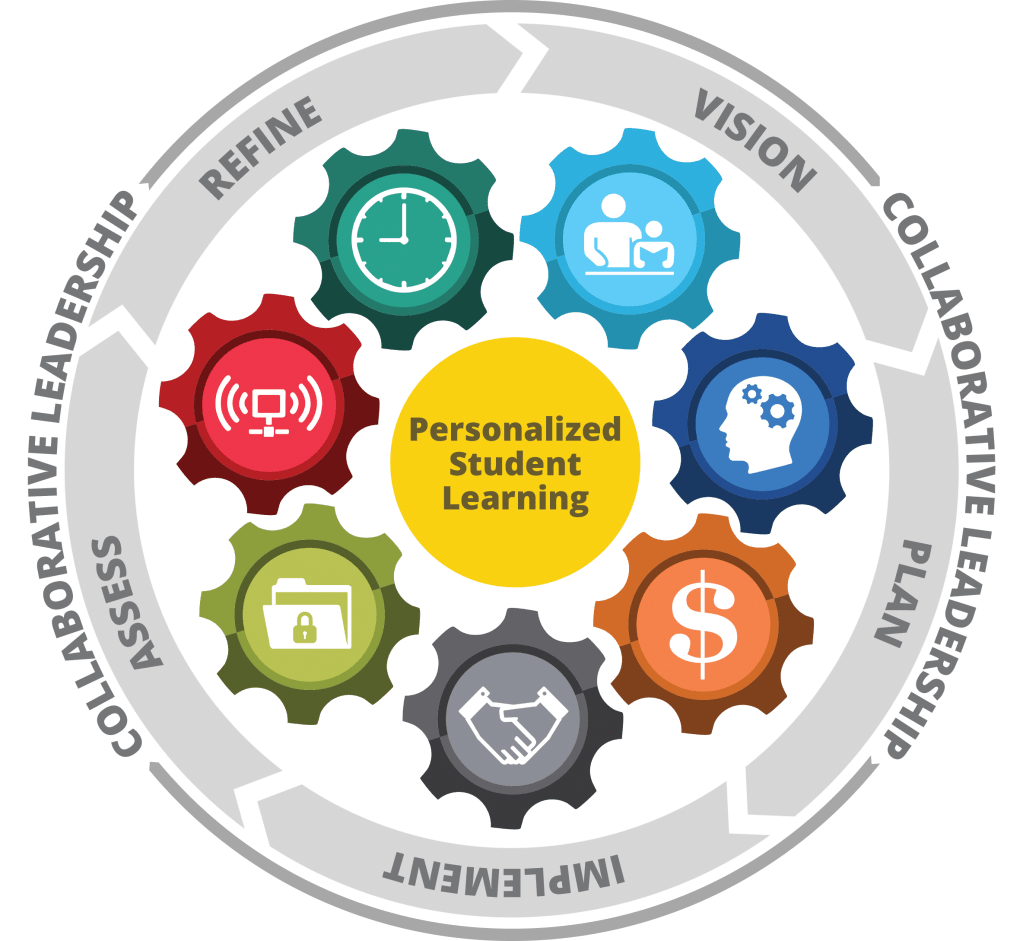
Personalized learning is an educational approach that tailors the learning experience to meet the individual needs, interests, strengths and weaknesses of each student. Unlike traditional classroom instruction where students learn at a predetermined pace and in a one-size-fits-all manner, personalized learning provides learners with customized content, pacing, and assessment that are tailored to their unique needs.
In personalized learning, technology plays a crucial role as it enables teachers to create adaptive curricula based on data collected from assessments. Through this approach, educators can identify each student’s knowledge gaps and provide them with targeted resources to help them fill those gaps. This ensures that every learner receives the precise level of support they need to achieve academic success.
One significant benefit of personalized learning is its ability to foster independence among students. As learners take charge of their education process by setting goals and tracking progress toward achieving them, they become more self-directed in their studies. They also develop critical thinking skills as they learn how to solve problems independently.
Moreover, personalized learning helps educators save time by eliminating the need for repetitive lesson planning and grading. Teachers can assign online resources such as videos or games that reinforce concepts taught during class time while allowing students to work at their own pace.
Another advantage of personalized learning is improved engagement among students. By incorporating multimedia materials into lessons such as interactive simulations or virtual field trips which cater towards diverse interests; lessons become more exciting making it easier for students to stay focused throughout the entire session.
While there are many benefits associated with Personalized Learning It’s important not forget about some possible drawbacks when implementing this model in schools. For instance: The cost associated with purchasing digital devices might be too high for some schools; teachers may require additional training before being able effectively integrate technology into their teaching practices; privacy concerns surrounding student data collection could arise.
In conclusion, despite its challenges mentioned above Personalized Learning is highly beneficial when executed correctly within an educational institution setting—enabling both teachers and students to thrive.
 Alternative Amie
Leave a comment