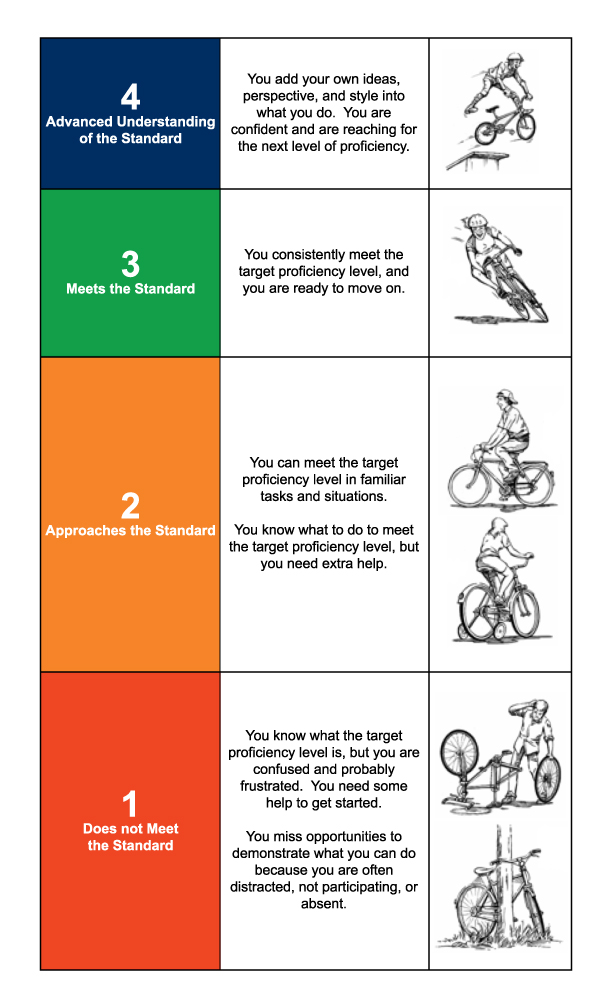
Assessment-based grading practices have been gaining in popularity among educators as a way to provide more accurate and meaningful feedback to students. By using data to inform these practices, teachers can ensure that they are accurately assessing their students’ understanding of the material and providing them with appropriate grades.
One key benefit of assessment-based grading is that it allows teachers to focus on mastery rather than just completion. Rather than simply checking off whether or not a student completed an assignment or answered a question correctly, assessment-based grading focuses on whether the student truly understands the material. This can be achieved through a variety of methods, such as formative assessments, quizzes, and tests.
Another important aspect of assessment-based grading is that it provides students with clear expectations for what they need to know and be able to do in order to succeed. By breaking down larger concepts into smaller learning objectives and assessing each one individually, teachers can give students a clearer picture of where they are struggling and how they can improve.
Data plays an essential role in effective assessment-based grading practices. Teachers must collect data on each student’s progress throughout the year in order to accurately assess their strengths and weaknesses. This data can include grades from assignments, test scores, observations during class discussions or activities, or even informal conversations with the student about their understanding of the material.
Once this data has been collected, it must be properly analyzed in order to make informed decisions about each student’s progress. Teachers should look for patterns across multiple assessments as well as individual strengths or weaknesses that may require additional support.
Finally, it is important for schools and districts to provide adequate training for teachers who wish to implement assessment-based grading practices effectively. This may include workshops on collecting and analyzing data or professional development sessions focused specifically on creating meaningful assessments.
In conclusion, using data to inform assessment-based grading practices can lead to more accurate evaluations of student understanding while also providing clear expectations for success. By focusing on mastery rather than completion, teachers can help students achieve a deeper understanding of the material and succeed in their academic careers. With proper training and support, assessment-based grading has the potential to revolutionize education and improve outcomes for all students.
 Alternative Amie
Leave a comment