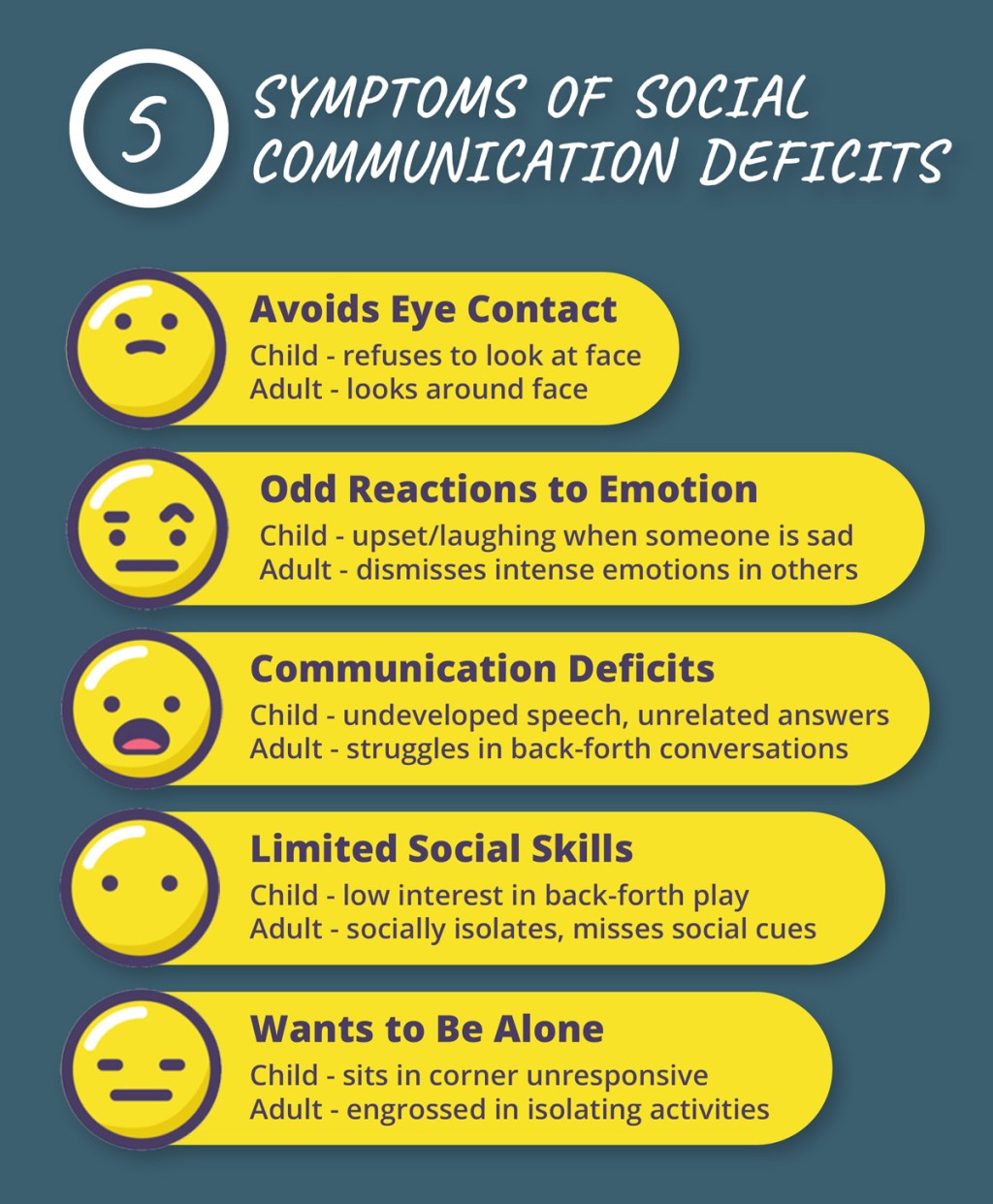
Social Communication Disorder (SCD) is a neurodevelopmental disorder that affects an individual’s ability to understand and use verbal and nonverbal communication in social situations. Children with SCD often struggle to interpret social cues, initiate conversations, maintain eye contact, and understand sarcasm or humor. These difficulties can lead to academic and social challenges throughout their lives.
The symptoms of SCD usually manifest during early childhood when children begin developing language skills. However, the condition may not be diagnosed until later in life when the child experiences significant academic or social difficulties. The severity of SCD varies from person to person, but it can significantly impact their daily life.
Children with SCD often find it challenging to make friends or form lasting relationships due to their difficulty understanding nonverbal cues such as facial expressions, tone of voice, or body language. They may struggle with initiating and maintaining conversations with peers or adults alike.
In academic settings, children with SCD may have trouble following instructions or taking part in group discussions. They could also miss out on subtle nuances in classroom lectures that other students would easily pick up on.
If you suspect your child has SCD, it’s essential to seek medical attention promptly. A diagnosis typically involves a comprehensive assessment from a speech-language pathologist who specializes in identifying communication disorders.
Treatment for Social Communication Disorder typically involves speech therapy sessions aimed at improving communication skills both verbally and non-verbally. To do this effectively requires specialized training by professionals trained specifically in treating individuals with SCD; however alternative schools are an excellent option as they provide personalized instruction for those affected by the disorder.
Alternative schools offer an approach that focuses on meeting each student’s unique needs rather than forcing them into one mold of teaching techniques used traditionally in public school systems. Alternative school programs provide smaller class sizes where teachers can give more individualized attention to each student while creating innovative ways for them to learn better based on their learning styles.
Additionally, alternative schools often offer a more relaxed and non-judgmental learning environment that provides students with the freedom to explore their interests and abilities. This type of atmosphere can help children who struggle with social communication disorders feel less anxious, making it easier for them to build relationships with others.
In conclusion, SCD is a complex condition that requires specialized attention. If you suspect your child has this disorder, seek medical attention promptly. Alternative schools provide an excellent opportunity for children affected by social communication disorders to receive personalized instruction in a supportive and nurturing environment that emphasizes individualized learning styles and encourages exploration of their unique talents and abilities.
 Alternative Amie
Leave a comment