Social-Emotional Learning: Teaching Kids to Be Human
As a parent or educator, you may have heard the term Social-Emotional Learning (SEL) being thrown around quite often these days. So, what exactly is SEL? Is it some new-age concept that’s been created just to make our lives more complicated?
Nope! SEL is simply teaching kids how to be human. That’s right; it teaches children how to understand and manage their emotions, establish positive relationships with others, and make responsible decisions.
Now you may be thinking – “Isn’t this something that parents should teach?” Well, yes and no. While parents play an essential role in shaping a child’s social-emotional development, schools also have a responsibility to teach these skills.
So why is SEL so important? Let me explain through humor (my favorite way of explaining anything).
Picture this – A seven-year-old boy named Max walks into his classroom one morning feeling grumpy because he had an argument with his sister over breakfast. He sits down at his desk and starts sulking.
Now imagine if Max’s teacher didn’t know about SEL and ignored him throughout the day. What do you think would happen? Max might become even more upset or lash out at other students or teachers.
But if Max’s teacher knew about SEL, she would recognize that he was having a tough time managing his emotions. She could then take steps towards helping him calm down by talking about the issue calmly or providing him with space for reflection.
See where I’m going with this?
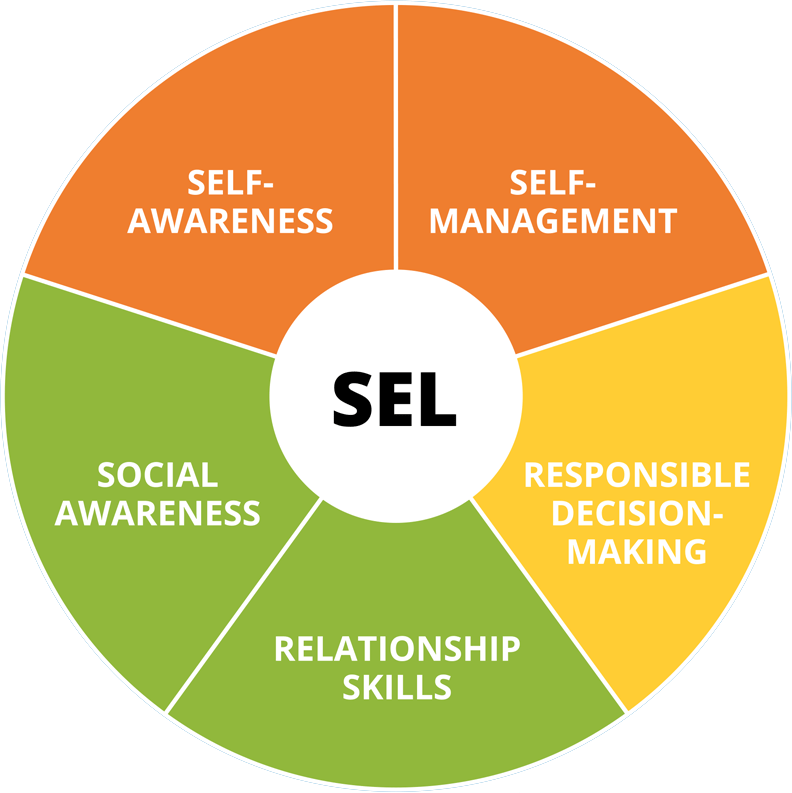
By teaching kids social-emotional learning skills like self-awareness (understanding one’s own emotions), self-management (managing one’s own emotions), social awareness (understanding others’ emotions), relationship skills (establishing positive relationships), and decision-making skills (making responsible choices), we are helping them develop into well-rounded individuals who can navigate life effectively.
Incorporating SEL into the curriculum isn’t difficult either. It can be as simple as asking students how they feel about certain situations or discussing ways to resolve conflicts peacefully.
Let me give you an example – A teacher could ask students to share a time when they felt angry and what they did to calm themselves down. This helps students identify their emotions, understand why they feel that way, and learn strategies for dealing with them.
In conclusion, social-emotional learning isn’t just some new-age concept; it’s essential for kids to become well-rounded individuals who can navigate life effectively. By teaching children these skills at school and home, we’re helping them develop into emotionally intelligent individuals who will make positive contributions to society.
So let’s embrace Social-Emotional Learning and teach our kids how to be human!
 Alternative Amie
Leave a comment