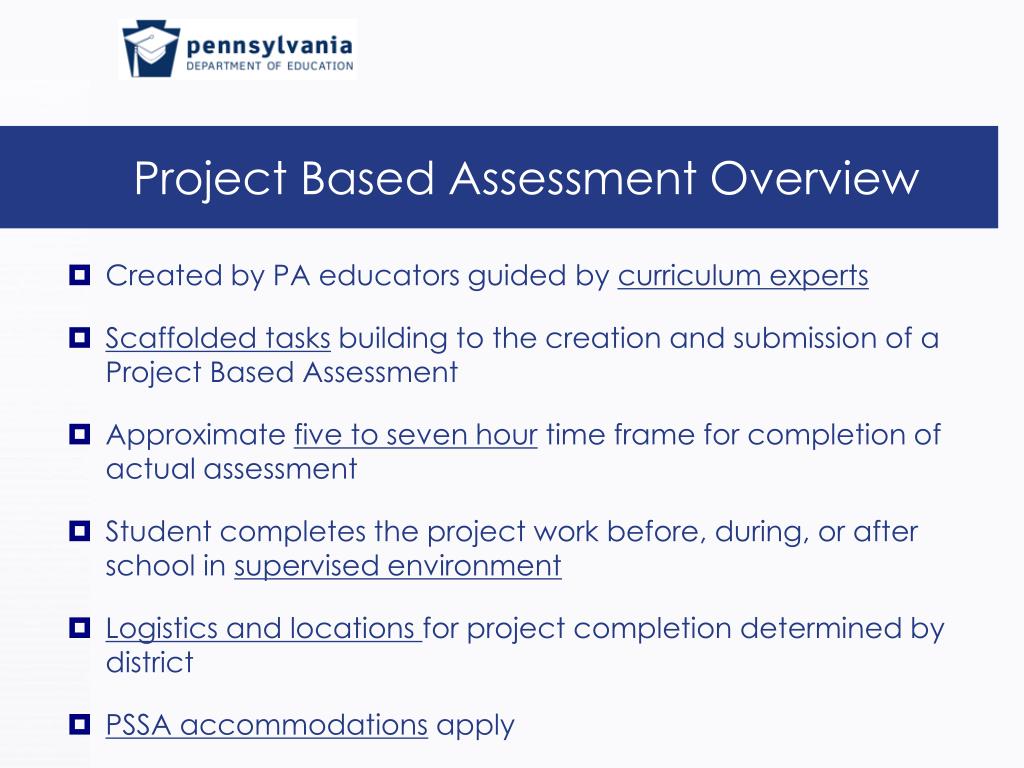
Project-based learning (PBL) is an effective method of teaching that has gained popularity in recent years. It involves students working on a project or problem for an extended period, collaborating with their peers, and presenting their findings to others.
One of the primary benefits of PBL is that it provides students with a more hands-on approach to learning. Instead of memorizing information from textbooks or lectures, students actively engage with the material and apply it to real-world situations. This helps them develop critical thinking skills and prepares them for future careers.
Assessing student performance in PBL can be challenging since there are no standard tests or exams. However, teachers use various methods to evaluate student work, including rubrics based on specific criteria such as creativity, collaboration, research skills, presentation quality and depth of understanding.
Another benefit of PBL assessments is that they allow teachers to focus on individual strengths rather than weaknesses. Since each project is unique and personalized according to each student’s interests and abilities, teachers can assess their progress more accurately by looking at different aspects such as presentation delivery style or level of engagement in group discussions.
In conclusion, Project-Based Learning assessments give students a chance to showcase what they have learned during their projects while promoting creative thinking and teamwork among learners. Teachers should encourage this type of assessment because it allows students’ efforts towards learning beyond grades or scores themselves – making education more meaningful for learners.
 Alternative Amie
Leave a comment