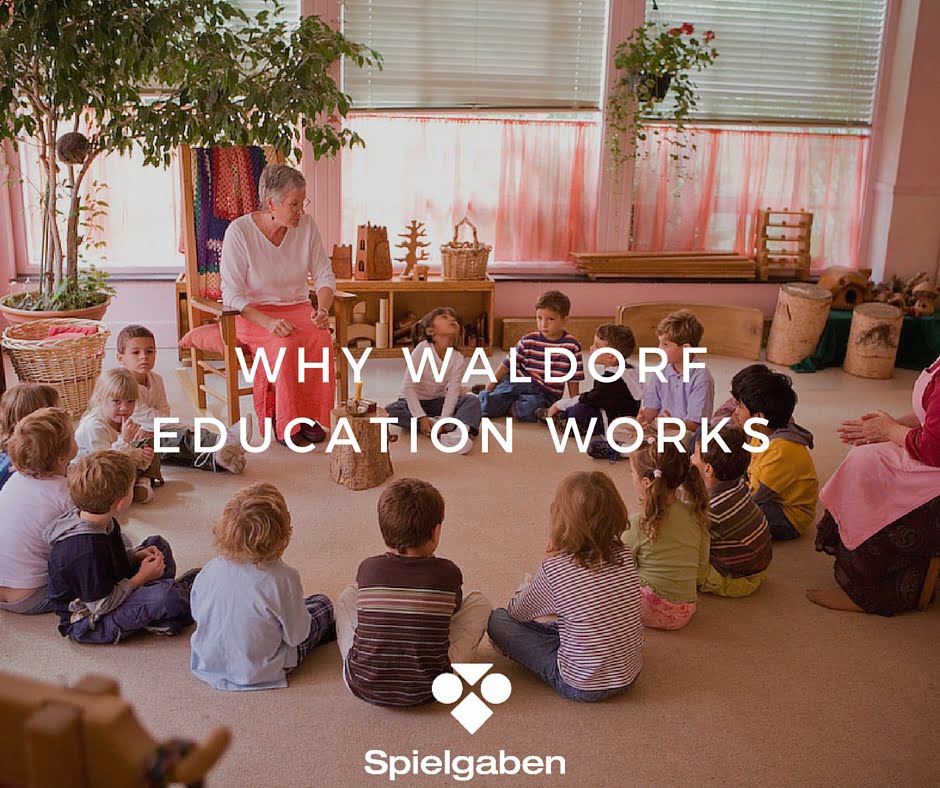
Waldorf education is an alternative form of schooling that focuses on a holistic approach to learning. Developed by Austrian philosopher Rudolf Steiner in the early 20th century, Waldorf education emphasizes creativity, imagination, and hands-on experiences. In this Q&A style post, we will explore various subtopics related to Waldorf education.
1. The Role of Storytelling in Waldorf Education
Storytelling plays a crucial role in Waldorf education. Stories are used as a means of teaching academic subjects such as history and science but also to convey moral lessons and values. Teachers use stories to spark children’s imaginations and engage them emotionally with the content being taught.
In the early years of schooling (up until around age seven), storytelling is used extensively as part of the curriculum. Children listen to fairy tales, fables, and folktales that often involve anthropomorphic animals or other fantastical elements. These stories help children develop their inner emotional lives while also providing opportunities for language development.
As children grow older, storytelling becomes less prominent in daily lessons but still remains an essential element of Waldorf pedagogy. Teachers may use historical narratives or biographical accounts to teach complex concepts or provide context for scientific phenomena.
2. The Importance of Movement and Dance in the Curriculum
Movement and dance are integral components of Waldorf education from preschool through high school. Physical activity helps students engage with their bodies while also developing coordination skills and spatial awareness.
In early childhood classes, movement takes the form of free playtime where students can run around outside or participate in structured activities like circle games with songs accompanied by hand gestures (such as “The Itsy Bitsy Spider”).
As students progress into elementary school age groups, formalized movement classes become more prevalent within the curriculum where they learn specific dances set to music from different traditions worldwide which helps appreciate cultural diversity thus broadening their horizons beyond what they know about themselves only.
3. The Use of Art as a Means of Expression and Learning
Art is another essential component of Waldorf education, with students engaging in visual arts, music, and drama throughout their schooling years. Artistic expression is seen as a fundamental human need that fosters creativity and imagination.
In the early years, children are encouraged to explore art materials freely without any specific instructions or goals. This unstructured approach allows them to develop their fine motor skills while also expressing themselves creatively.
As students get older, they may begin learning specific techniques such as drawing or painting using natural pigments which helps foster an appreciation for the environment around them. Music classes often include singing together in harmony with others or playing simple instruments like drums or xylophones.
Dramatic arts are used to teach history and literature by having students act out scenes from plays or historical events which help bring abstract concepts alive into reality thus making it easier for the children to understand things in context rather than only reading about them on paper.
4. The Significance of Nature-Based Education in Waldorf Schools
Waldorf schools place great importance on nature-based education where students are encouraged to spend time outside exploring their surroundings at various stages of development appropriate for each age group such as observing changes during seasons, growing plants and vegetables in school gardens etc.
This emphasis on nature leads to a deeper understanding and appreciation for our planet’s ecosystems while also fostering respect towards all living beings including animals since they become part of daily life experiences within the school community
5. The Integration of Music into Daily Lessons
Music is integrated into daily lessons across all subjects within Waldorf classrooms thanks to its ability to stimulate both hemispheres brain activities (logical thinking + emotional processing). Children learn songs that accompany different topics being studied; this helps reinforce memory retention while promoting emotional engagement through rhythm and melody.
6. The Benefits of Mixed-Age Classrooms
Mixed-age classrooms are another hallmark feature of Waldorf education. Students are grouped together for extended periods, sometimes up to three years. This approach allows older students to mentor younger ones while also giving younger students an opportunity to learn from their more experienced peers.
Mixed-age classrooms promote social-emotional learning and provide opportunities for children to develop leadership skills, empathy, and respect towards others. They also help foster a sense of community within the classroom where everyone is valued regardless of age or ability level.
7. The Role of Handwork and Practical Skills in the Curriculum
Handwork and practical skills such as knitting, woodworking, weaving or cooking are seen as important components of Waldorf education. These activities help develop fine motor skills while also promoting creativity and problem-solving abilities through hands-on experiences.
In early childhood classes, children may participate in finger-knitting or simple sewing projects that they can take home with them at the end of class time.
As students get older, handwork classes become more structured where they learn specific techniques such as embroidery or woodworking which helps them acquire useful life skills beyond formal academics along with self-confidence building through project completion success stories
8. The Use of Drama and Puppetry in Teaching
Drama and puppetry are used extensively throughout the curriculum within Waldorf schools; plays are written about historical events or novels read by different grade levels then performed by students themselves who have spent weeks rehearsing lines while making costumes & props too!
Puppet shows are often created using natural materials like felted wool so that each character has its unique personality brought forth; these shows can serve both educational purposes (e.g., teaching science concepts) but also simply entertaining audiences thus making learning fun again!
9. Waldorf Approaches to Teaching Mathematics
Waldorf approaches mathematics instruction differently than traditional methods by having teachers teach math concepts through real-life applications rather than just abstract numbers on paper worksheets without any context behind it all
For example: rather than memorizing multiplication tables, students may learn about the relationship between numbers by creating their number stories involving things they know in real life like family members or pets. This approach helps learners develop a deeper understanding of math concepts rather than just memorizing abstract rules.
10. The Importance of Play-Based Learning
Play-based learning is another critical component of Waldorf education where children are encouraged to explore and discover the world around them through imaginative and creative play. This type of learning fosters curiosity while also promoting social-emotional development through interactions with others during playtime activities such as puppet shows or games outdoors.
11. Waldorf Approaches to Science Education
Science is taught within the context of nature, emphasizing hands-on experiences with plants, animals, and other living organisms found in the environment around us. Students learn about scientific phenomena through observation and experimentation rather than just reading from textbooks without any applied knowledge base connections being made.
12. Integrating Technology into Waldorf Classrooms
Waldorf schools tend to limit technology use within classrooms due to its potential impact on creativity and imagination-building skills; however, some schools have started incorporating it more selectively for specific purposes such as research projects or multimedia presentations.
Technology integration should be done thoughtfully so that it doesn’t interfere with students’ ability to engage emotionally with academic content or hinder essential problem-solving abilities developed via play-based hands-on experiences
13. Teaching Foreign Languages in a Waldorf Context
Foreign languages are an important component of Waldorf education; many programs offer instruction in multiple languages such as German, Spanish, French plus varying degrees depending on location & teachers available at each school location
Language instruction begins early on (starting from preschool age groups) using songs accompanied by hand gestures then progressing into more formal lessons focusing on grammar vocabulary building etc., all conducted primarily via immersive language immersion techniques
14. Supporting Children with Special Needs in a Waldorf Environment
Waldorf education has been praised for its inclusivity towards children with special needs, including those on the autism spectrum or with learning differences. Teachers work closely with families and specialists to create individualized learning plans that meet each child’s specific needs while still adhering to Waldorf principles.
Waldorf teachers are trained to recognize and address individual students’ learning challenges without stigmatizing them; instead, they tend to focus on their strengths and help them develop self-confidence through project-based activities suited for each student individually
15. Homeschooling with a Waldorf-Inspired Approach
Homeschooling using Waldorf-inspired methods has become increasingly popular in recent years due to its emphasis on creativity, imagination, and hands-on experiences. Parents can use resources such as online curriculum guides or attend teacher training courses offered by various organizations worldwide.
16. Developing Social-Emotional Skills Through the Curriculum
Social-emotional skills development is an essential component of Waldorf education where students learn communication, empathy building & conflict resolution techniques beginning from preschool age groups onwards! These skills are taught within all subjects across the curriculum via role-playing games or puppet shows illustrating different social scenarios so that learners can experience how other people might feel about certain situations forming emotional intelligence abilities
17. Incorporating Mindfulness Practices into Daily Lessons
Mindfulness practices such as meditation and deep breathing exercises are integrated into daily lessons across all grade levels of Waldorf schools thanks to their ability to promote emotional regulation while also reducing stress levels among students.
Students may participate in mindfulness exercises before class time begins or during breaks between classes which helps create a more focused & peaceful atmosphere overall thus making it easier for them to concentrate when engaged in academic tasks throughout the day
18. Nurturing Creativity and Imagination in Students
Creativity and imagination-building skills are nurtured throughout all aspects of Waldorf education where learners explore different forms of artistic expression such as painting, music-making, drama performances etc., allowing them ample opportunities for self-expression without fear of failure or judgment.
19. Fostering a Sense of Community within the School Environment
Waldorf schools aim to create a strong sense of community where students, teachers, and families work together towards common goals. This is achieved through activities such as regular parents’ nights out, community service projects involving students & staff too; all aimed at building relationships that endure beyond academic years spent together.
20. Supporting Teacher Development and Training within the Waldorf System
Teachers are trained in Waldorf principles and pedagogy through various means including teacher training programs offered by different organizations worldwide as well as ongoing professional development opportunities throughout their careers.
Teachers receive mentorship from experienced colleagues who have been teaching for many years so they can learn from one another about best practices while also receiving guidance on how to handle challenging situations effectively plus time management strategies too.
In conclusion, Waldorf education provides an alternative approach to traditional schooling that emphasizes creativity, imagination-building skills alongside academic instruction. It fosters social-emotional learning while promoting nature-based education and hands-on experiences across all subjects taught with mindfulness techniques integrated into daily lessons. Its holistic approach helps learners develop self-confidence abilities that extend beyond formal academics making it an ideal choice for those seeking alternatives to mainstream educational systems!
 Alternative Amie
Leave a comment