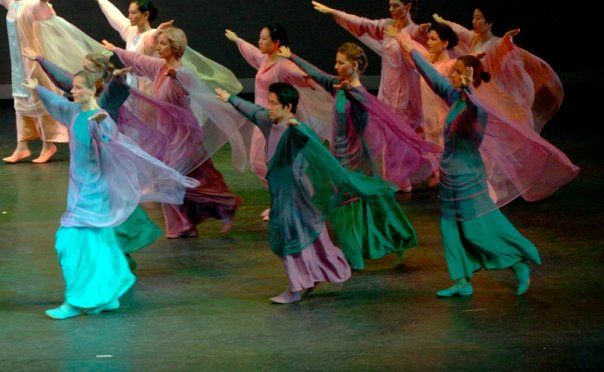
Eurythmy in Waldorf Education: A Case Study
Waldorf education is a unique form of alternative schooling that emphasizes the development of creativity, critical thinking, and spirituality alongside academic learning. At the heart of this approach is a belief in the importance of holistic education that engages both mind and body. One key element of Waldorf education is eurythmy, an art form that integrates movement, music, and speech to create a richly embodied experience for students.
In this case study, we will explore how eurythmy is used in one particular Waldorf school to support student growth and learning. We will look at the ways in which eurythmy supports physical coordination and emotional regulation, as well as its role in fostering social skills and cultural awareness.
The School Setting
Our case study takes place at a small independent Waldorf school located in a suburban area. The school serves approximately 200 students from preschool through eighth grade. Eurythmy instruction begins in first grade (age six) and continues through eighth grade (age fourteen).
The Teacher
Ms. Smith has been teaching eurythmy at this school for ten years. She holds a Bachelor’s degree in dance from a liberal arts college with additional training in anthroposophy – the philosophical basis for Waldorf education- from several summer programs.
Physical Coordination
One important benefit of eurythmy practice is improved physical coordination. The movements involved require careful attention to balance, posture, and alignment while also engaging fine motor skills such as finger dexterity. Ms.Smith observed how her students’ movements become more fluid over time as they develop these skills.
Emotional Regulation
Another key aspect of eurythmy practice involves developing emotional regulation skills such as self-awareness, self-control,and empathy towards others- all essential life-skills!. By encouraging children to move their bodies with intentionality ,they are able to release pent up emotions and tensions they may be experiencing. Teachers often use eurythmy as a tool to help students calm down after recess or before tests.
Social Skills
Eurythmy also plays an important role in helping students develop social skills. By working together in pairs or small groups, children learn how to communicate non-verbally through movement and gesture. They must listen attentively to each other and coordinate their movements in order to create a harmonious whole. Ms.Smith notes that her students become more comfortable with physical touch over time as they gain trust in the group dynamic.
Cultural Awareness
Finally, eurythmy can also foster cultural awareness by exposing children to different musical styles and dance forms from around the world. In Ms.Smith’s class, for example, she incorporates traditional African rhythms and steps into her lessons alongside classical European music so that the children are exposed to diversity of cultures from a young age.
Conclusion
In this case study we’ve seen how eurythmy is used at one Waldorf school to support student growth across multiple dimensions: physical coordination emotional regulation, social skills development, cultural awareness- all while adding fun into learning! Whether it’s through improved motor skills or greater empathy towards others,the benefits of this art form are clear – promoting holistic education where body & mind work together beautifully!
 Alternative Amie
Leave a comment