Dynamic Assessment: A Unique Approach to Alternative Education
Alternative education is a growing field that seeks to provide educational opportunities outside of traditional classroom settings. One approach gaining popularity in recent years is dynamic assessment, a method that focuses on the learning process rather than just the end result.
Unlike traditional assessments, which are often seen as static and unchanging, dynamic assessment recognizes that learning is an ongoing process influenced by a variety of factors. It involves working closely with students to identify their strengths and weaknesses and develop strategies tailored to their individual needs.
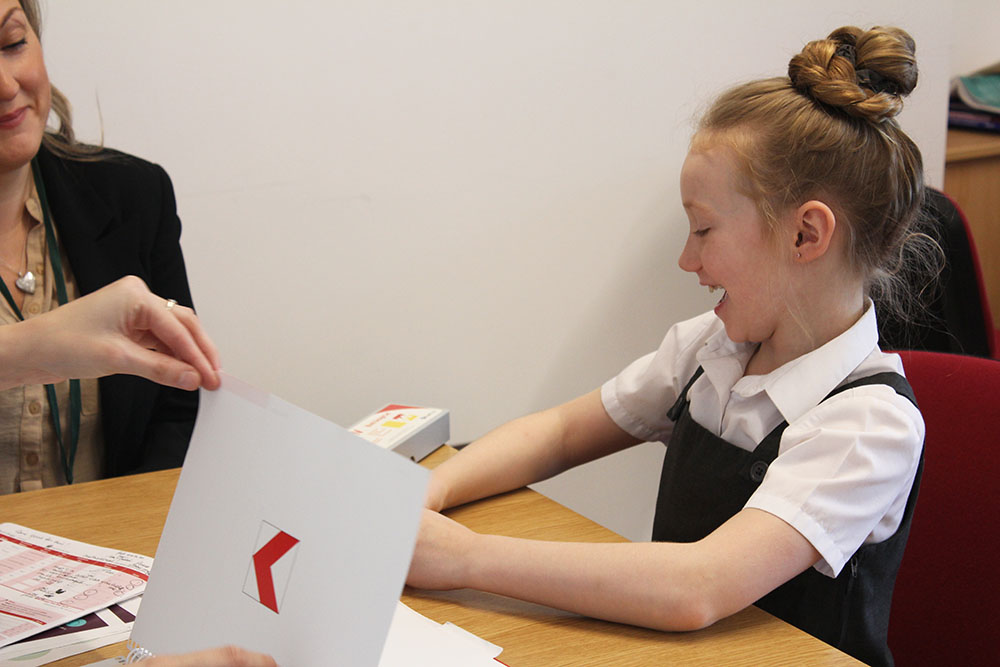
One key feature of dynamic assessment is its emphasis on collaboration between teachers and students. Rather than simply testing what students know, teachers work alongside them to guide their learning journey. This can involve asking open-ended questions, providing feedback in real-time, or even engaging in role-play activities designed to help students build confidence and develop new skills.
Another important aspect of dynamic assessment is its focus on metacognition – or thinking about one’s own thinking. This means helping students become more aware of their cognitive processes so they can better understand how they learn best. For example, if a student struggles with reading comprehension, a teacher might work with them to identify specific strategies for breaking down complex texts or using visualization techniques to better understand the material.
Dynamic assessment also acknowledges that every student has unique learning needs and styles. By taking into account factors such as personality traits, cultural background, and socio-economic status, teachers can create customized interventions that meet each student where they are at.
One potential downside of dynamic assessment is that it requires significant time investment from both teachers and students. Compared to traditional assessments which can be administered quickly en masse, dynamic assessment involves ongoing dialogue between teacher-student pairs over an extended period of time.
Despite this challenge however there are many benefits associated with this approach including increased engagement among learners who feel valued when given personalized attention; improved critical thinking skills thanks largely due diligence paid towards developing metacognition; and increased confidence as students begin to see themselves as active participants in their own learning.
Overall, dynamic assessment represents a unique approach to alternative education that prioritizes the learning process over test scores. By working collaboratively with students and taking into account their individual needs and styles, teachers can help develop lifelong learners who are better equipped to succeed both inside and outside of the classroom.
 Alternative Amie
Leave a comment