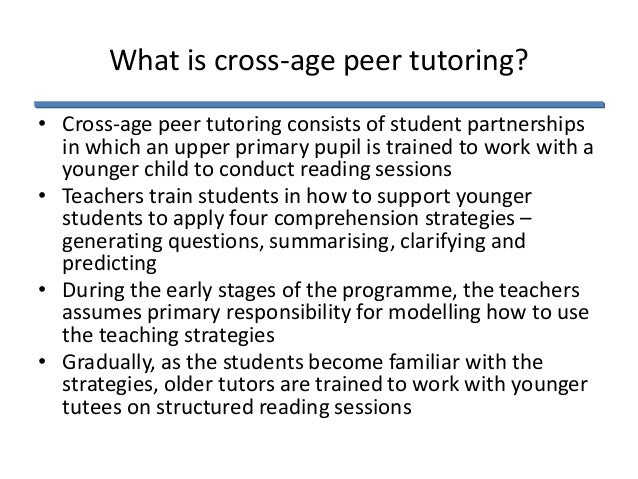
Cross-age teaching is an instructional strategy where students of different age groups engage in a learning experience together. It is increasingly popular in alternative schooling and education as it promotes collaboration, communication, and peer-to-peer learning. In this article, we will explore the benefits of cross-age teaching and how it can positively impact learners of all ages.
Collaboration
One of the main advantages of cross-age teaching is that it encourages collaboration between peers. When younger students work with older ones, they gain access to knowledge and expertise beyond what their teacher can provide. This not only expands their understanding but also allows for more creative problem-solving opportunities.
In addition to expanding knowledge, cross-age teaching helps break down stereotypes between age groups. As they work together on common goals or projects, learners become familiar with each other’s strengths and weaknesses. They learn to respect each other’s differences and develop empathy towards one another.
Communication
Cross-age teaching necessitates effective communication skills from both parties involved. The older student must be able to explain concepts in a way that the younger student can understand while maintaining patience throughout the process.
On the other hand, younger students have a chance to practice active listening when working with an older peer who might use more advanced vocabulary or complex terminology than what they are used to hearing from their teachers or parents.
Overall, these interactions foster healthy communication habits such as clarity in language usage, proper tone adjustment during conversations, attentive listening skills among others which are useful later in life when interacting with people from diverse backgrounds.
Peer-to-Peer Learning
Cross-age teaching promotes peer-to-peer learning by providing opportunities for students at different levels to learn from each other without feeling intimidated or judged. Younger students often benefit most because they receive extra attention outside traditional classrooms setting where their questions might go unanswered due to large class sizes or limited resources available within school systems
Older students also benefit since they get valuable experience tutoring their peers which strengthens critical thinking and leadership skills. They are challenged to explain concepts in a way that their peers can grasp, which enhances their own understanding of the material.
Improved self-esteem
Cross-age teaching also has a positive impact on self-esteem. When younger students work with older ones, they gain confidence in themselves and their abilities. This is because they receive personalized attention from someone who is not their teacher or parent, giving them an opportunity to demonstrate what they know without being compared to other students in the classroom.
Similarly, older students feel proud of themselves when they successfully impart knowledge to younger learners. The process of explaining concepts reinforces their own understanding and gives them a sense of accomplishment that comes with helping others.
Social Interaction
Cross-age teaching provides opportunities for social interaction between different age groups that might not have occurred otherwise. It helps break down barriers between younger children who might be shy or introverted by pairing them up with outgoing older students who can help bring out the best in them.
For example, during group discussions or project work where collaboration is required both parties will learn how to accommodate each other’s schedules better so as not to inconvenience anyone involved in it hence building team spirit among all participants involved regardless of age differences
Additionally, cross-age teaching fosters meaningful relationships between learners that go beyond academic subjects learned within classrooms setting but also extends into personal hobbies or interests shared outside school walls providing avenues for intellectual growth beyond traditional classroom learning environment .
Conclusion
In conclusion, cross-age teaching is an effective instructional strategy that promotes collaboration, communication, peer-to-peer learning and improves self-esteem while creating meaningful relationships among learners from diverse backgrounds. As more alternative schooling and education systems continue embracing this approach alongside traditional methods like lecture-based instruction there’s no doubt it will become increasingly popular as it offers tremendous benefits for all involved parties including teachers too!
 Alternative Amie
Leave a comment