College Credits: A Comprehensive Guide to Alternative Schooling and Education
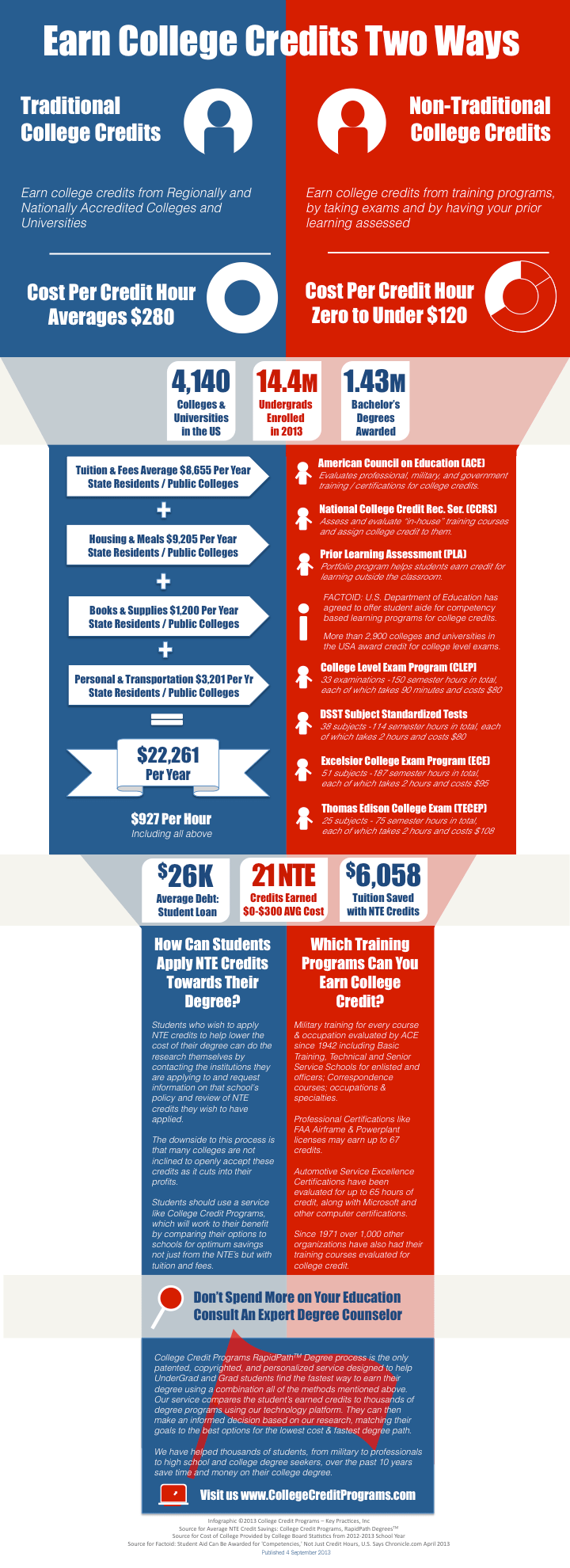
When it comes to higher education, college credits play an essential role in shaping one’s academic journey. For those seeking alternative schooling and education paths, understanding how to earn college credits outside of traditional institutions is crucial.
One popular option for earning college credits is through Advanced Placement (AP) courses offered in high school. AP classes offer rigorous academic coursework that prepares students for college-level work and exams. By scoring well on the AP exam, students can earn college credit before even stepping foot onto a university campus.
Another option for obtaining college credits is through dual enrollment programs. Dual enrollment allows high school students to take courses at a community or four-year institution while still enrolled in high school. These courses count towards both high school graduation requirements and college credit.
For those who have already completed some level of post-secondary education, but are not interested in pursuing a traditional degree program, there are several avenues available as well. Online learning platforms such as Coursera and edX offer courses from top universities around the world with the option to pay for a certificate of completion that counts towards college credit at participating institutions.
Similarly, competency-based education programs allow individuals to earn credit based on their mastery of specific skills rather than completing set course requirements. This approach allows learners to focus on what they need to learn without wasting time or money on material they already know.
Finally, portfolio assessments provide an opportunity for individuals with significant life experience or professional expertise to document their knowledge and receive credit towards a degree program. Portfolio assessments require careful documentation of previous experiences and may include essays, projects, or other forms of evidence demonstrating proficiency in particular areas of study.
Earning college credits through alternative pathways requires careful planning and research but can be an excellent way for individuals seeking non-traditional educational paths to achieve their goals while saving time and money along the way.
 Alternative Amie
Leave a comment