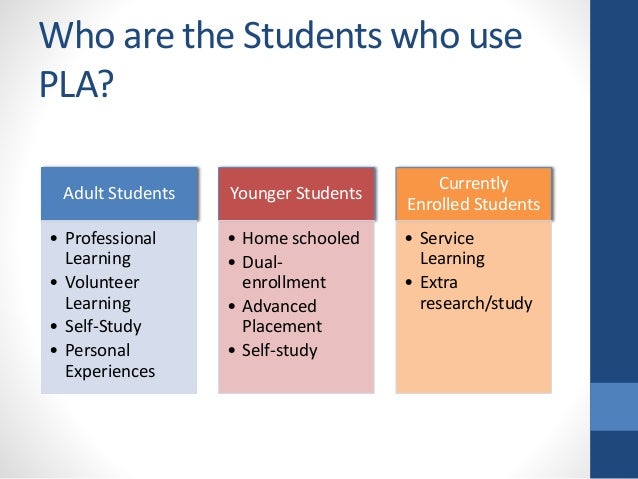
Prior Learning Assessment and Recognition (PLAR) is a process through which individuals can obtain formal recognition for the knowledge, skills, and experience they have acquired outside of traditional educational settings. PLAR acknowledges that learning takes place in many contexts, not just within a classroom setting. It provides an opportunity for individuals to demonstrate their learning and receive credit towards academic or professional qualifications.
PLAR is particularly relevant for adult learners who may have gained significant knowledge and skills through work experience or other non-formal settings but lack the credentials necessary to progress in their careers. For these individuals, PLAR offers a pathway to obtaining recognized qualifications without having to start from scratch.
The PLAR process typically involves three stages: identification of prior learning, assessment of prior learning, and recognition of prior learning. The first stage involves identifying what an individual has learned through various experiences such as employment, volunteering or informal education. This information is then assessed against specific program requirements by subject matter experts.
The second stage involves assessing the extent to which an individual’s prior learning aligns with the program’s objectives. This may involve interviews with subject matter experts or evaluation of written documents such as portfolios or essays. If gaps are identified between an individual’s prior learning and the program requirements, additional training may be required before recognition can be granted.
In the final stage of PLAR, recognition is granted for successful completion of all requirements related to identified prior learning outcomes. Depending on the program being pursued this could mean receiving credit towards a degree/diploma/certificate course in post-secondary institutions or certification in professional development courses.
While PLAR offers numerous benefits for adult learners seeking formal educational credentials including reduced time spent studying redundant subjects it also poses some challenges that need addressing if it is going to become more widely adopted across various academic institutions globally like standardization issues amongst different regions due to differing curriculum standards.
In conclusion, Prior Learning Assessment and Recognition (PLAR) should be embraced by educational institutions seeking to expand the accessibility of their programs to adult learners and promote lifelong learning. It provides a means for individuals to demonstrate their knowledge, skills, and experience gained through non-traditional learning contexts while reducing time, effort, and cost associated with obtaining formal credentials.
 Alternative Amie
Leave a comment