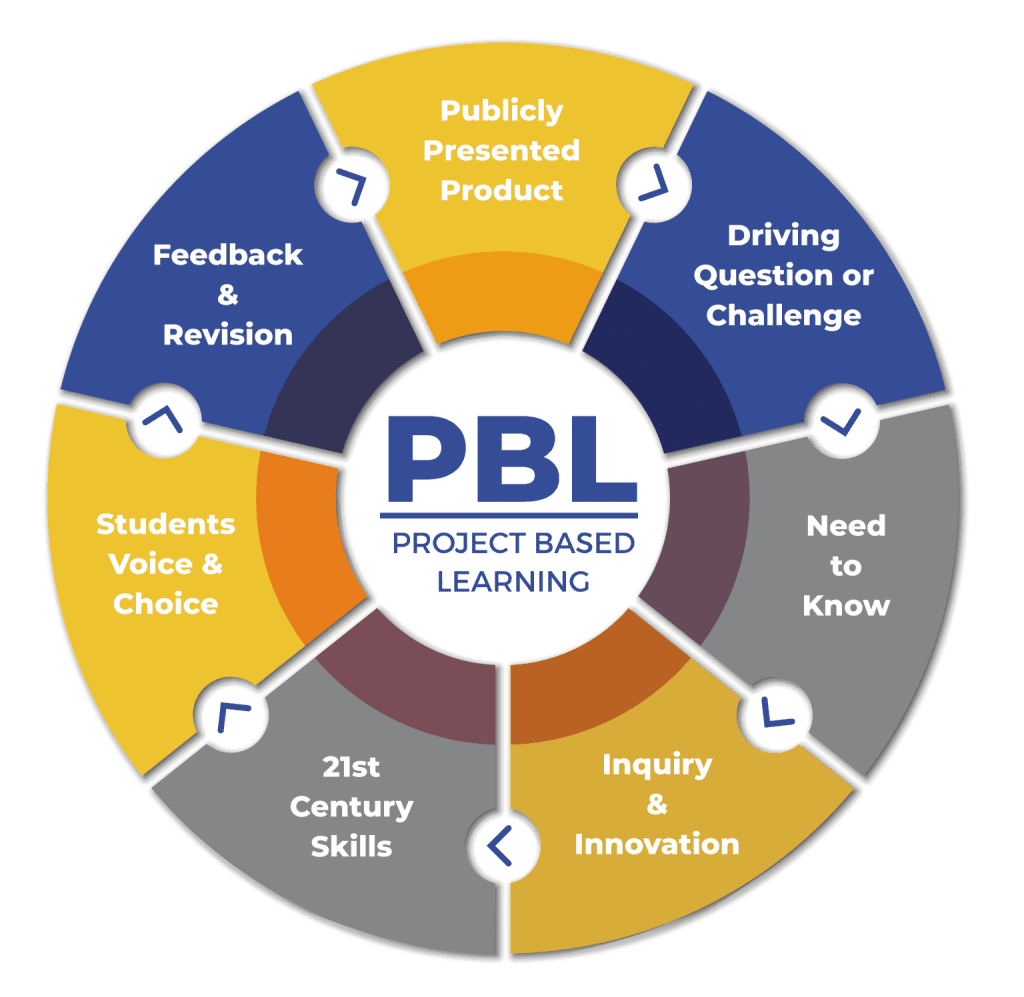
Project-based learning (PBL) is an innovative teaching method that has gained popularity in recent years. It involves students working on a project that requires them to use various skills and knowledge they have acquired in different subject areas. The goal of PBL is to provide students with a more immersive learning experience where they can apply their knowledge in real-world situations.
In traditional education, the teacher lectures and assigns homework for students to complete independently. In contrast, PBL puts students at the forefront of the learning process by giving them control over their projects’ direction and outcomes. Students are encouraged to brainstorm ideas, collaborate with peers, conduct research, and present their findings.
The concept behind PBL is not new; it dates back to John Dewey’s progressive era during the early 1900s. However, it wasn’t until recently that this approach gained traction as an alternative form of education among educators worldwide.
One key benefit of PBL is its ability to promote critical thinking skills since students must come up with creative solutions while working on a project. This helps develop problem-solving abilities that are crucial for success in both academic and professional settings.
Another advantage of PBL is its ability to foster collaboration skills as it encourages teamwork among peers. By working together towards a common goal, students learn how to communicate effectively with others from diverse backgrounds and perspectives.
Additionally, PBL provides a more engaging way of learning than traditional methods because it allows for personalization based on individual interests or passions. This makes it easier for teachers to motivate learners who may struggle with conventional classroom instruction methods.
In terms of practical application in schools today, there are several models used for implementing Project-based Learning:
1) Start-to-Finish Projects: These involve creating something from scratch such as building a prototype device or writing a book report.
2) Problem-Based Projects: These focus on identifying problems within society or community organizations then finding solutions through research.
3) Challenge-Based Learning: This approach poses a challenge or problem that students must solve together, such as designing an eco-friendly school or creating a mobile app.
Regardless of the model used, PBL requires teachers to be facilitators rather than lecturers. They should encourage students to take ownership of their projects and provide guidance when needed. It’s crucial for educators to allow room for mistakes and learning opportunities throughout the project.
PBL is not without its challenges; it can be difficult to manage in large classrooms with limited resources, especially if students have different levels of expertise. However, there are several ways educators can overcome these obstacles:
1) Create clear learning objectives and expectations at the beginning of each project.
2) Provide ample time for research and preparation before beginning any project.
3) Establish group norms and guidelines on how teams should interact with one another.
4) Use technology tools like Google Docs or Zoom for remote collaboration.
In conclusion, Project-based Learning offers an exciting alternative approach to traditional education by allowing learners greater participation in their own learning process. By emphasizing real-world application skills such as critical thinking, communication, and collaboration, PBL provides a more engaging way of learning that prepares students for success beyond the classroom. While there may be some challenges involved in implementing this method effectively, with proper planning and execution strategies in place- PBL can truly transform the educational experience for both teachers and learners alike!
 Alternative Amie
Leave a comment