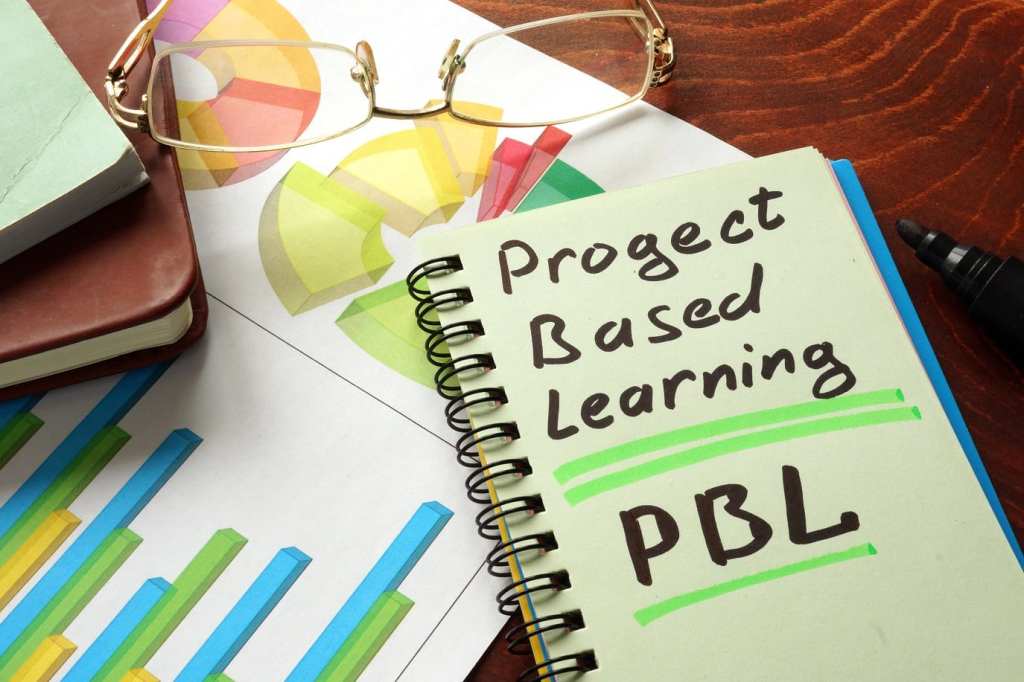
Project-Based Learning: A Comprehensive Guide for Alternative Schooling and Education
In the past, students have been taught through lectures, note-taking, memorization, and taking tests. However, this traditional method of teaching has its limitations as it does not instill creativity or critical thinking in learners. Project-based learning (PBL) is an alternative approach to education that transforms the way students learn by encouraging them to actively participate in their education.
What is Project-Based Learning?
PBL is a student-centered approach that focuses on allowing learners to engage in activities that are relevant and meaningful to them. Students work collaboratively with their peers or individually on projects that involve real-world challenges or problems.
The process starts with identifying a problem or challenge related to a particular field of study. Then students work together to develop research questions, gather data, analyze information and create solutions using technology tools like videos, podcasts and other multimedia.
The Benefits of PBL
There are numerous benefits associated with project-based learning. Here are some of them:
1. Improved Engagement: PBL helps students become more invested in their education because they get involved in creating something tangible.
2. Enhanced Critical Thinking Skills: As students work through complex problems collaboratively, they develop analytical skills necessary for decision-making.
3. Better Understanding Of Concepts: By applying what they learned into solving real-life situations helped them understand concepts better than just reading about it from books.
4. Increased Creativity: Projects encourage creative thinking which leads to new ideas and approaches towards problem-solving.
5. Strengthened Collaboration Skills: Group projects allow individuals who may not otherwise interact with each other but share common goals come together and collaborate towards achieving these goals.
How To Implement PBL
Implementing PBL requires careful planning by educators who will guide the process throughout the project duration . The following steps can be taken:
1.Select A Topic – Find topics interesting enough for your class so they can enjoy working on it.
2. Establish Learning Outcomes – Identify the skills and knowledge you want your students to acquire during the project.
3. Develop A Project Plan – Create a timeline and schedule for the project duration, including checkpoints or milestones.
4. Assess The Projects – Use rubrics that measure both content and process criteria.
Conclusion
Project-based learning is an effective way of engaging students in their education by allowing them to work collaboratively towards solving real-world problems. It instills critical thinking, creativity, collaboration and communication skills which are essential for success in today’s world. Implementing PBL requires careful planning but with proper guidance from educators, it can be successfully integrated into alternative schooling and Education systems.
 Alternative Amie
Leave a comment