Note-taking Strategies: A Guide for Alternative Schooling and Education
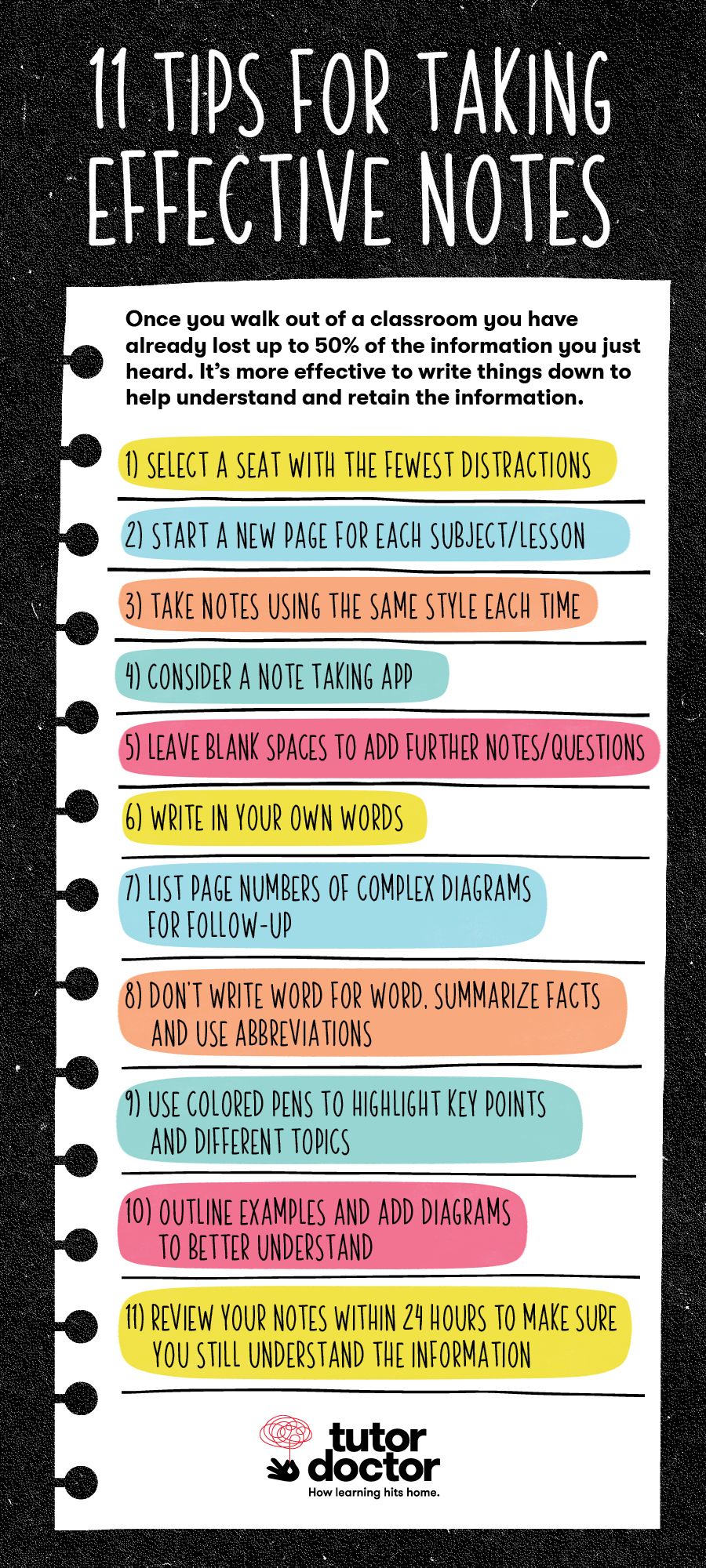
Effective note-taking is an essential skill that can help students excel in their academic pursuits. Whether you are attending a traditional classroom or pursuing alternative schooling and education, taking notes can assist in retaining information, improving comprehension, and developing study habits. Here are some of the best note-taking strategies to help maximize learning potential.
1. Choose the right tool
The first step in effective note-taking is choosing the right tool for your needs. Traditional pen and paper may work well for some people who prefer writing things down manually, while others may prefer digital tools like laptops or tablets. It’s essential to find what works best for you as it will make your note-taking process more comfortable and enjoyable.
2. Be organized
Organizing your notes is key to making them useful later on when studying or reviewing material. Create sections based on topics discussed in class, use headings and subheadings appropriately, highlight important points with different colors or symbols, etc., so that you can quickly locate information when needed.
3. Use abbreviations
Using abbreviations can significantly speed up your note-taking process by reducing the amount of time spent writing long words repeatedly. For example, instead of writing “International Business Machines Corporation (IBM),” you could write “IBM” instead.
4. Listen carefully
While taking notes during lectures or discussions, it’s crucial to listen attentively to capture all relevant information accurately rather than trying to write everything verbatim which can be overwhelming at times.
5. Focus on keywords
Focus on critical keywords related to the subject matter being discussed; this will make it easier for you to remember significant concepts from lectures easily.
6. Review frequently
Regularly reviewing your notes helps retain information better by reinforcing knowledge gained during class sessions over time; set aside specific times daily/weekly/monthly intervals where possible depending on schedules available.
7. Include visuals where applicable.
If there are visuals, such as diagrams or pictures presented during lectures or discussions, be sure to include them in your notes. Visuals aid memory retention and can make complex ideas easier to understand.
8. Summarize
Summarizing the essential points of a lecture or discussion at the end of class sessions can help reinforce knowledge gained and highlight the most critical concepts discussed during that session.
9. Use Mind Maps
Mind maps are an effective way of taking notes for visual learners. They allow you to capture information visually by creating a diagram that connects different topics related to each other from the central idea.
10. Collaborate with Peers.
It’s always helpful to collaborate with peers on note-taking techniques as it provides an opportunity for sharing insights and perspectives on what works best for them and learning new things together.
11. Practice regularly
Finally, regular practice is essential in improving note-taking skills; dedicate time towards practicing new techniques learned while working out strategies that work best for you based on your preferences.
In conclusion, note-taking is an integral part of education regardless of schooling type and style; having good note-taking strategies can make all the difference between excelling academically or struggling through coursework. Choosing the right tool, remaining organized, listening attentively, focusing on keywords/visuals where applicable summarizing essential points after lectures/discussions using mind maps/collaborating with peers while practicing regularly will go a long way in developing excellent note-taking skills over time.
 Alternative Amie
Leave a comment