Executive Function Development: The Secret to Success
We all want our children to succeed, but what does it take for them to get there? While some may believe that success is solely based on academic achievement, the reality is that success in life requires more than just good grades. It involves developing a set of skills known as executive function.
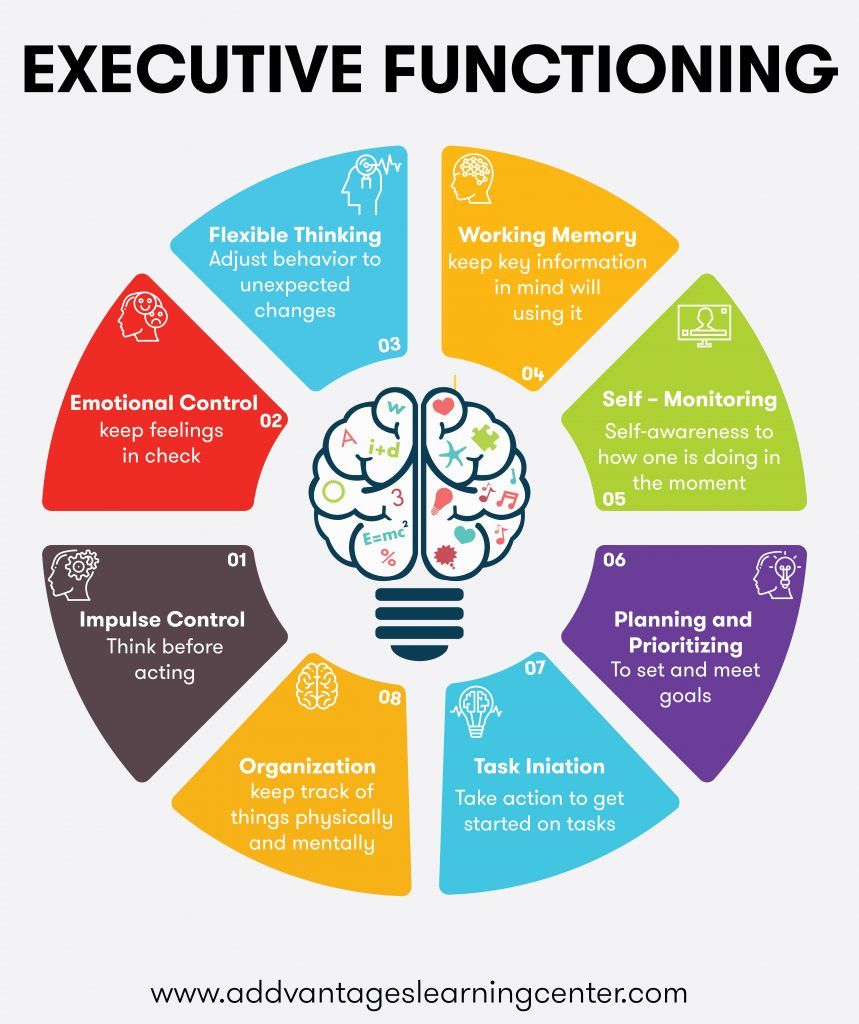
So what exactly is executive function? Executive function refers to a set of cognitive processes that allow us to plan, organize and execute tasks. It includes skills such as working memory, time management, self-control and prioritization. These skills are crucial for success not only in school but also in everyday life.
The good news is that executive function can be developed at any age through practice and repetition. As parents or educators, it’s important to create an environment that fosters the development of these essential skills. Here are some tips on how you can help your child develop their executive function:
1. Create routines
Routines provide structure and predictability which helps children feel secure and confident in their abilities. This sense of security allows them to focus on other tasks without worrying about what comes next.
2. Break down larger tasks into smaller ones
Large tasks can be overwhelming for anyone, especially for children who may not have fully developed their planning and organizational skills yet. Breaking down large projects into smaller tasks makes them more manageable.
3. Encourage goal-setting
Setting goals helps children understand what they want to achieve and how they plan on getting there. It’s important that goals are specific, measurable and achievable so children can see progress along the way.
4. Use visual aids
Visual aids such as calendars or checklists help children stay organized by providing a clear picture of what needs to be done when.
5. Practice self-control
Self-control is one of the most important aspects of executive function development because it allows us to resist temptation and delay gratification. Children can practice self-control by setting limits on screen time or delaying rewards until after completing a task.
6. Play games that require planning and problem-solving
Games such as chess, checkers or Sudoku require children to plan ahead and think critically. These types of games are great for developing working memory and problem-solving skills.
7. Encourage physical activity
Physical activity not only promotes overall health but also helps improve executive function by increasing blood flow to the brain.
8. Teach time-management skills
Time-management is an important aspect of executive function because it requires us to prioritize tasks based on importance and urgency. Children can practice time-management by creating schedules or setting timers for specific tasks.
9. Provide opportunities for decision-making
Giving children choices allows them to practice decision-making skills which are essential for executive function development.
10. Practice mindfulness
Mindfulness activities such as meditation or deep breathing exercises can help improve self-awareness and regulate emotions which are important aspects of executive function development.
By incorporating these tips into your daily routine, you can help promote the development of executive function in your child. Remember that like any skill, it takes time and practice to develop so be patient and consistent in your efforts. With a little bit of effort, you’ll be amazed at how much progress your child can make!
 Alternative Amie
Leave a comment