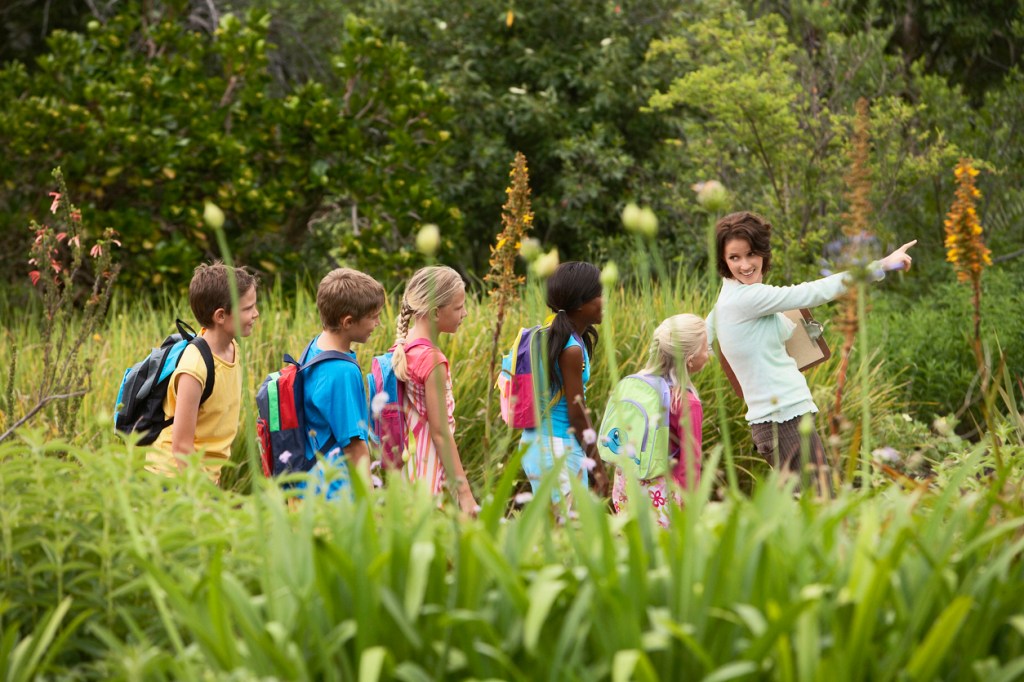
Environmental education is an essential aspect of learning, especially in today’s world where climate change and environmental degradation are becoming increasingly evident. Environmental education involves teaching students about the environment and how to protect it through various activities such as field trips, classroom lectures, hands-on projects, among others.
Firstly, environmental education should begin early in life. Children should be taught from a young age the importance of caring for the environment. This can start with simple activities like planting trees and recycling waste materials at home or school. Teachers can also incorporate nature walks into their curriculum to help children learn more about their surrounding environment.
Another key aspect of environmental education is teaching students to appreciate nature and its beauty. Students should be encouraged to spend time outdoors and experience the natural world around them firsthand. This could involve taking field trips to national parks or participating in outdoor activities like camping or hiking.
In addition, students should be taught about conservation practices that will help preserve our planet for future generations. Topics like energy conservation methods, sustainable agriculture practices and waste management systems are all important areas that need attention in today’s world.
Moreover, environmental education can also include topics on climate change which is one of the major challenges we face today. It’s important that students are aware of how they contribute to global warming through their daily actions so teachers could teach them ways on reducing carbon footprint by conserving energy by turning off lights when not needed or using public transport instead of private cars etc.
Finally, schools can partner with local organizations who work towards protecting the environment such as NGOs (non-governmental organizations) or community groups involved in clean-up drives or tree-planting initiatives.
In conclusion, environmental education plays a crucial role in shaping responsible citizens committed towards creating a better world for all living beings on this planet. By incorporating these lessons into our educational system from an early age onwards we can create a generation that cares deeply about preserving our planet’s resources for generations yet unborn.
 Alternative Amie
Leave a comment