Interdisciplinary Curriculum Design: A Memoir
As a writer and journalist, I have always been fascinated by the idea of creating an education system that fosters not only academic excellence but also critical thinking skills, creativity, and innovation. I grew up in a traditional school setting where students were expected to learn subjects in isolation. This approach often left me feeling bored and disconnected from what I was learning.
However, my perspective changed when I began working with an alternative schooling program that focused on interdisciplinary curriculum design. In this post, I want to share my experience with this unique educational approach.
Interdisciplinary curriculum design is an innovative teaching approach that combines different academic disciplines into one cohesive learning experience. Instead of teaching subjects separately, teachers collaborate to create a curriculum that integrates multiple disciplines such as science, social studies, art, music or literature into one lesson plan.
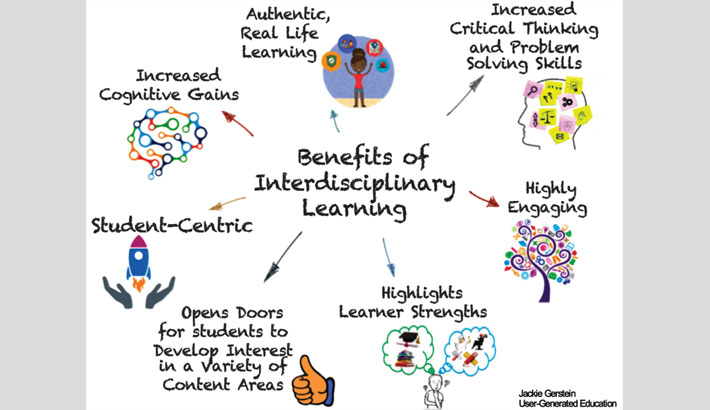
The goal of interdisciplinary curriculum design is to promote critical thinking skills among students by encouraging them to explore complex real-world problems from multiple perspectives. This method enables students to develop a deeper understanding of the interconnectedness between different subject areas while also fostering their creativity and curiosity.
My first encounter with interdisciplinary curriculum design came while visiting an alternative school for an article assignment. The school had adopted a project-based learning model where students worked collaboratively on projects related to real-world issues such as climate change or poverty alleviation.
What struck me about this approach was how seamlessly different subject areas blended together in each project. For example, a group of 6th graders was working on designing sustainable homes using principles of physics and geometry while incorporating elements of art into their designs. Another class was exploring the history and culture of ancient civilizations through literature analysis combined with creative writing exercises.
I saw firsthand how this type of education model helped students become more engaged in their learning process by making it relevant and meaningful beyond just memorizing facts and figures.
I then started researching more about interdisciplinary curriculum design models used in other schools across the country. I discovered that there are many different approaches to this method, each tailored to fit the unique needs of students and educators.
One example is a model called STEAM (Science, Technology, Engineering, Art, and Math). This approach integrates science and technology with creative arts such as music, drama or visual art. It encourages students to think outside the box by solving complex problems through an interdisciplinary lens.
Another popular model is called PBL (Project-Based Learning), which emphasizes real-world problem-solving skills through collaborative projects across multiple subjects. This approach focuses on developing essential 21st-century skills such as communication, critical thinking, collaboration and creativity.
I was impressed by how these models allowed for flexibility in teaching methods while still maintaining academic rigor standards. Teachers were able to tailor their instruction based on student interests and strengths while also challenging them to reach their full potential.
Through my experiences with alternative schooling programs using interdisciplinary curriculum design models, I have come to appreciate the value of this educational approach. As a writer and journalist who writes about education issues regularly, I am excited about promoting this type of innovative education system that emphasizes critical thinking skills over rote memorization.
In conclusion, interdisciplinary curriculum design is an effective way to provide a meaningful learning experience for students by integrating various disciplines into one cohesive lesson plan. It allows teachers to create flexible instructional plans tailored around student’s interest while fostering creativity and innovation among learners
As we move towards a more interconnected world where diverse perspectives are valued more than ever before; it’s essential that we embrace new approaches like interdisciplinary curriculum design in our education systems so that our children can be prepared for future challenges ahead!
 Alternative Amie
Leave a comment