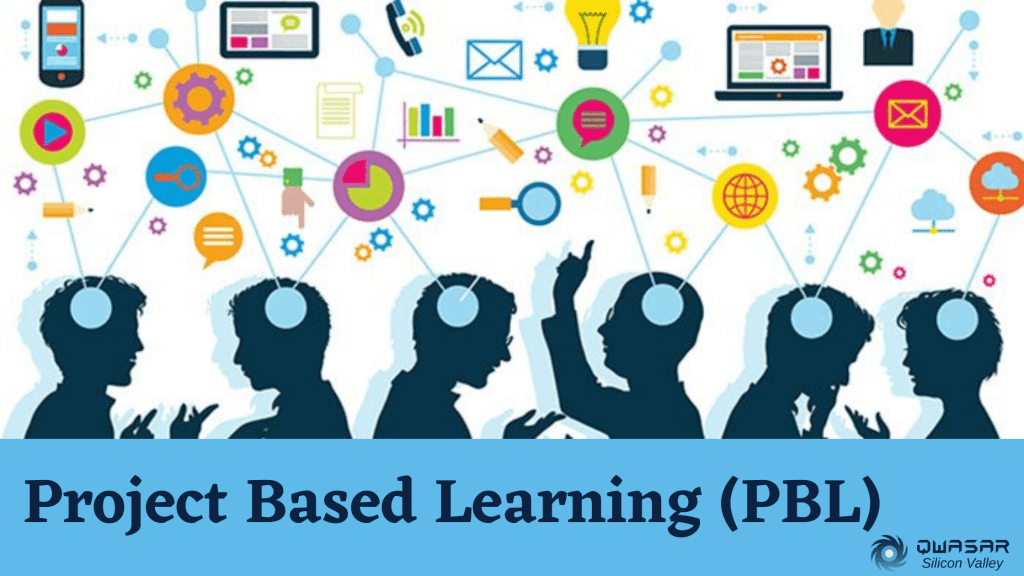
Project-Based Learning: An Effective Approach to Alternative Education
In recent years, the traditional education system has been challenged by alternative forms of learning. One such approach that has gained popularity is project-based learning. Project-based learning, or PBL, is a student-centered teaching method where students learn by actively engaging in real-world projects and activities.
PBL allows students to explore topics they are interested in while developing critical thinking skills and gaining practical experience. This approach encourages creativity, collaboration, and communication among students. In this post, we will discuss the benefits of project-based learning and how it can be implemented in alternative schooling.
Benefits of Project-Based Learning
1. Builds Critical Thinking Skills
PBL provides opportunities for students to develop critical thinking skills as they work on projects that require them to analyze information, solve problems, and make decisions based on their findings. By doing so, they become more proficient at evaluating evidence and using logic to support their arguments.
2. Encourages Collaboration
Collaboration is an essential part of PBL as it requires students to work together on projects that are often too large for one person to complete alone. Through collaboration, students learn how to communicate effectively with others while working towards a common goal.
3. Develops Practical Skills
PBL enables students to gain practical skills through hands-on experiences outside the classroom setting. Such experiences help them develop interpersonal skills like leadership qualities and teamwork which are essential for success in life.
4. Enhances Creativity
When given the freedom to choose their own topics of interest within a project-based framework, students tend to be more creative than when confined by rigid curricula requirements typical of traditional classrooms.
5. Fosters Self-Directed Learning
With effective guidance from teachers/facilitators who act more like mentors/coaches than authorities figures (as often seen in conventional classrooms), PBL empowers learners with autonomy over their own educational journey — leading them to develop responsibility and self-direction towards their own learning.
Implementing Project-Based Learning in Alternative Education
Alternative education systems like homeschooling, unschooling, or co-ops are ideal environments for project-based learning. PBL is a practical approach that enables learners to explore topics of interest that align with their passions and goals while gaining practical experience in real-world scenarios.
Here are some strategies to implement PBL in alternative schooling:
1. Design Projects around Learner Interests
The first step in implementing PBL is identifying the interests of individual learners. Teachers/facilitators can collaborate with students to design projects based on what they want to learn or explore further.
For example, if a student loves music, a project about creating a song could be developed where they learn about the history of music genres, musical theory, and composition techniques.
2. Create Real-Life Scenarios
PBL provides opportunities for students to work on real-life scenarios outside the classroom setting. Projects should be designed such that students can relate them directly with everyday life experiences rather than abstract concepts – making it more engaging and relevant.
For example, instead of teaching math using abstract formulas alone – one could create a project where students run a small business (like selling cookies) where they need math skills (fractions) for measuring ingredients; budgeting expenses; estimating profits etc., thereby making it more relatable and interesting for them.
3. Encourage Collaboration
Collaboration is an essential part of PBL as it promotes teamwork among learners. Facilitators/teachers should encourage collaborative activities within groups so that each member has an opportunity to contribute meaningfully towards achieving common goals within the project framework.
4. Provide Regular Feedback
Effective feedback helps learners improve their work by highlighting areas for improvement while also recognizing their strengths and accomplishments along the way — motivating them through positive reinforcement which can lead towards better outcomes over time!
5.Create Opportunities for Self-Assessment
Self-reflection is an essential part of PBL where learners are encouraged to assess their own progress by reflecting on their learning journey and assessing how far they have come relative to their goals. Facilitators can design evaluation rubrics for the projects that enable learners to reflect on what they have learned, what challenges they faced along the way, and how well they achieved the project objectives.
Conclusion
Project-based learning is a practical approach that enables students to learn through hands-on experiences while developing critical thinking skills, collaboration abilities, creativity and self-direction towards their own educational journey — making it ideal for alternative education systems. By implementing strategies such as designing projects around learner interests, creating real-life scenarios in which students can relate directly with everyday life experiences; encouraging collaboration among learners; providing regular feedback; and creating opportunities for self-assessment – facilitators/teachers can make PBL more engaging and impactful in alternative education settings.
 Alternative Amie
Leave a comment