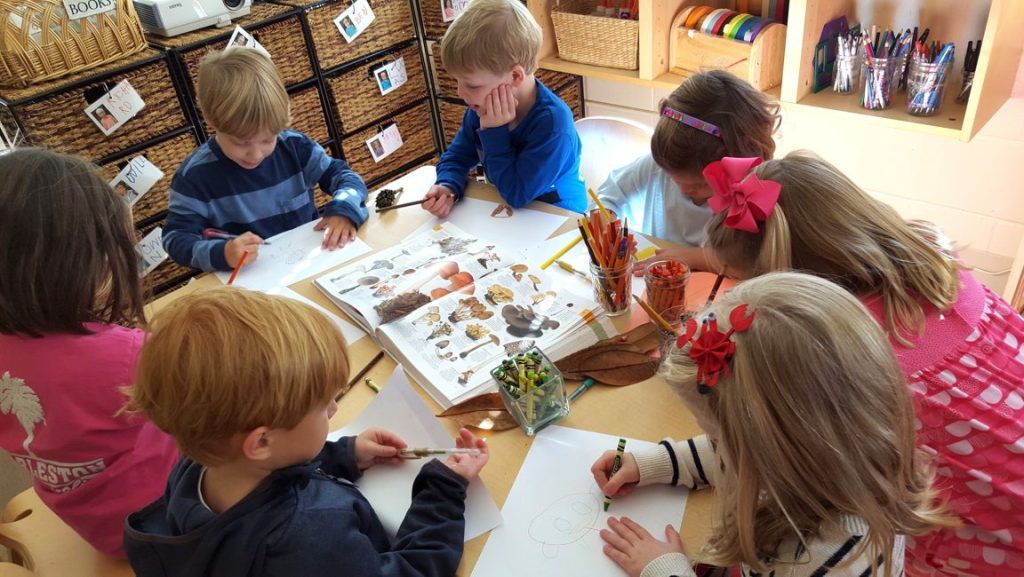
The Reggio Emilia approach is a child-centered educational philosophy that originated in the northern Italian town of Reggio Emilia after World War II. It is an alternative form of education that values children as capable and competent learners who are active participants in their own learning process. This approach is based on the belief that every child has unique strengths, interests, and abilities, which should be nurtured through meaningful experiences.
The Reggio Emilia approach emphasizes the importance of creating a positive learning environment where children can explore, interact with others, and engage in hands-on activities. The classroom environment is designed to promote creativity, curiosity, and independence among students. Teachers act as facilitators rather than instructors; they observe children’s interests and provide opportunities for them to learn through play-based activities.
One of the key principles of the Reggio Emilia approach is documentation. Documentation involves observing children’s behaviors and recording their thoughts and ideas through photographs, videos, audio recordings, drawings or written notes. Documentation serves several purposes: it helps teachers understand how each child learns best; it allows parents to see what their child is doing at school; it provides evidence of student learning progress over time.
Another important aspect of the Reggio Emilia approach is collaboration between teachers, parents and students. Parents are considered partners in their child’s education journey; they are encouraged to participate in classroom activities or contribute by sharing skills or knowledge related to their profession or hobbies. Collaboration fosters a sense of community involvement that extends beyond the walls of the classroom.
The curriculum used in this method does not follow a rigid structure but instead emerges from student interests with guidance from teachers who help facilitate exploration around those topics leading into developmentally appropriate projects or “studies”. Children are given ample opportunity to communicate with peers during group discussions where they may share findings or new insights on topics being studied leading towards deeper learning experiences.
In addition to traditional subjects like math and language arts instruction comes through a more hands-on, experiential approach. Inquiry-based learning is central to the Reggio Emilia approach and encourages students to ask questions, explore ideas, and make connections between different subjects or concepts.
The role of play is also emphasized in this method of education. Play provides children with opportunities for creative expression, problem-solving skills development while allowing them to negotiate with others and develop social-emotional skills necessary for future success.
Overall, the Reggio Emilia approach emphasizes the importance of nurturing each child’s unique interests and abilities while fostering a sense of community involvement that extends beyond the walls of the classroom. This educational philosophy provides an alternative form of education that values children as capable learners who are active participants in their own learning process.
 Alternative Amie
Leave a comment