Montessori Education: Frequently Asked Questions
Montessori education is a unique approach to learning that has been around for over 100 years. Developed by Italian physician and educator Maria Montessori, it emphasizes independence, self-directed activity, and hands-on learning. If you’re considering Montessori education for your child or just want to learn more about it, check out these frequently asked questions:
What age range does Montessori education cover?
Montessori education is typically offered from birth through age 18. There are infant/toddler programs (0-3 years), primary programs (3-6 years), elementary programs (6-12 years), adolescent programs (12-18 years), and even some college-level Montessori programs.
How are Montessori classrooms different from traditional classrooms?
In a Montessori classroom, children have more freedom of movement and choice than in a traditional classroom. They are encouraged to work at their own pace on activities that interest them, rather than being forced to follow a set curriculum. The environment is carefully designed to promote independent learning and exploration.
What kinds of materials do children use in the Montessori classroom?
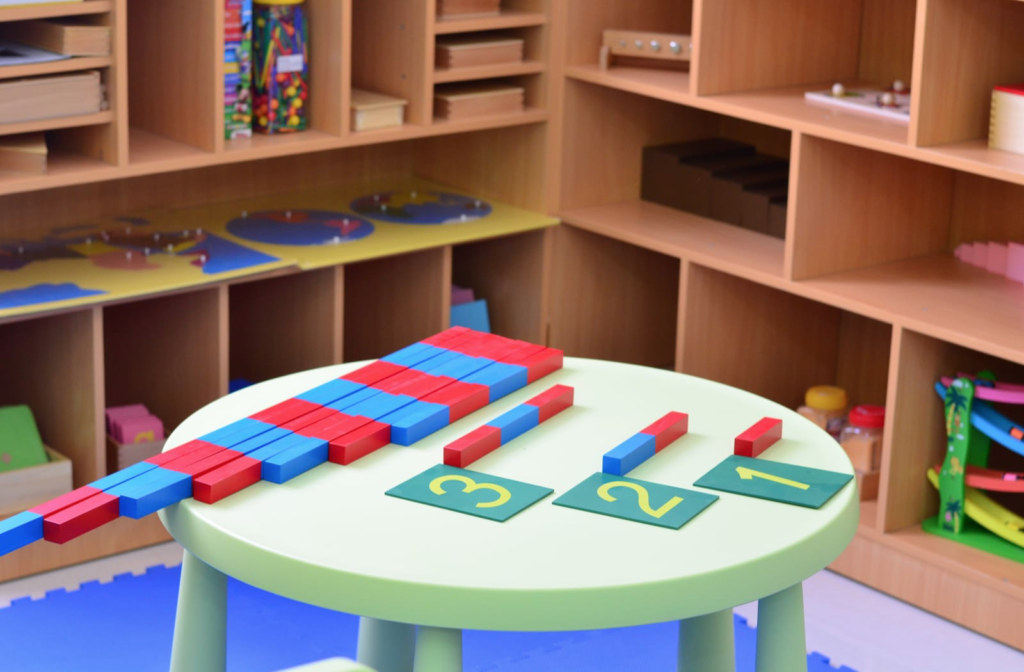
Montessori classrooms feature a wide variety of hands-on materials that help children explore concepts in math, language arts, science, geography, art, music and practical life skills such as cleaning up after themselves or preparing snacks for themselves. These materials are designed to be self-correcting so that children can learn independently without needing constant feedback from teachers.
Does Montessori education involve homework?
Homework may be assigned in some upper level classes but not typically below the elementary level where students generally complete all their work during class time.
Are there grades in the Montessori system?
Grades aren’t emphasized as heavily as they are in traditional schools; instead student progress is evaluated through observation over longer periods of time rather than focusing on one test result or report card.
How do Montessori schools handle discipline?
Montessori education values self-discipline and encourages children to manage their own behavior. Teachers will guide students towards making good choices, but punishment is not a typical disciplinary action. Instead, natural consequences are often used in the classroom or teachers may have individual conversations with students about their actions and how it affects others in the community.
Is there any formal assessment for Montessori students?
Montessori classrooms use informal assessments like observation and conversation between teacher and student to evaluate progress. Standardized tests are typically not emphasized as they don’t always give an accurate representation of each child’s abilities or potential.
Can Montessori education be integrated into traditional schooling?
Yes, some schools use aspects of the Montessori method alongside more traditional teaching methods.
What types of children benefit most from Montessori education?
Montessori education can benefit many different types of learners including those who learn best through hands-on activities and independent exploration. It also provides a challenging environment that can help gifted students reach their full potential while allowing struggling learners the time they need to master skills at their own pace without feeling left behind by peers.
How does Montessori prepare children for college or university?
The focus on independence, problem-solving skills, critical thinking skills, collaboration, and creativity helps prepare Montessori graduates for success in higher education. Graduates typically possess strong study habits as well as a sense of self-discipline that allows them to work independently as well as collaboratively with others if necessary.
Are all Montessori schools created equal?
No! The quality of a program varies greatly depending on factors such as teacher training and qualifications; adherence to authentic practices; school culture; involvement from parents/guardians/caregivers; curriculum development among other things; Accreditation by recognized organizations such as International Association of Progressive Education (IAPE) is one way to ensure quality but it may not always be necessary.
What are the benefits of Montessori education?
Montessori education is known for its emphasis on independence, self-motivation, and hands-on learning. It can help children develop a love of learning that lasts their whole lives by encouraging them to explore topics in depth and at their own pace. Children who attend Montessori schools often have strong problem-solving skills, critical thinking skills, creativity, and collaboration with others.
Hopefully this FAQ-style post has helped answer some of your questions about Montessori education! If you’re interested in exploring the possibilities further please consider speaking with representatives from local programs or attending an open house so you can see firsthand what makes Montessori schooling unique.
 Alternative Amie
Leave a comment