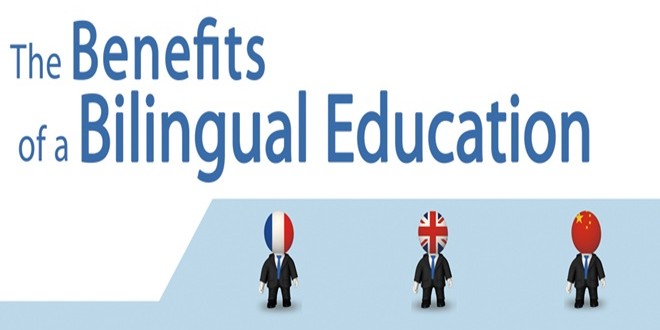
Bilingual education for refugees and immigrants has been a hot topic in recent years. Many schools across the United States have started offering bilingual classes to help non-native speakers learn English while also maintaining their native language. While this may sound like a great solution, it’s important to take a closer look at the effectiveness of these programs.
Firstly, let’s address the idea that bilingual education is simply about learning English and another language simultaneously. In reality, it’s much more complex than that. Bilingual education involves teaching content in both languages, as well as developing cultural competency and promoting academic achievement. This takes time and resources that not all schools are prepared to invest.
Furthermore, many bilingual programs fail to properly allocate resources or qualified teachers to ensure success for students. Often times, non-native speakers are placed in overcrowded classrooms with underprepared teachers who don’t speak their native language or understand their unique needs. This can lead to frustration and disengagement from school altogether.
Another issue with bilingual programs is that they often perpetuate stereotypes about immigrant communities. By segregating non-native speakers into separate classrooms or tracks within a school, we’re sending the message that they’re different from “regular” students who only speak English fluently. This can create barriers between groups of students and reinforce negative attitudes towards immigrants.
Finally, we need to consider whether bilingual education is even necessary in today’s world. With technology making communication easier than ever before, do we really need our children to be fluent in multiple languages? While being multilingual certainly has its benefits in terms of job opportunities and cultural exchange, it shouldn’t be seen as a requirement for success.
In conclusion, while the idea of providing bilingual education for refugees and immigrants may seem like an easy solution on paper – one that will foster inclusion by respecting diverse cultures – there are valid reasons why this approach should be reconsidered carefully before implementing it on large scale basis: inadequate preparation by schools, insufficient qualified teachers and resources, perpetuation of stereotypes about immigrant communities and the question whether being bilingual is even necessary. While we should always strive to promote diversity in our schools, there are other ways to achieve this goal without resorting to potentially ineffective or harmful programs.
 Alternative Amie
Leave a comment