Forest School and Social Skills Development: A Review
Forest school has been gaining popularity in recent years as a unique approach to education, particularly for young children. It involves taking children into the forest or other natural settings where they can engage in hands-on learning activities, explore nature and develop their social skills. In this review, we will take a closer look at how forest school contributes to the development of social skills among students.
What is Forest School?
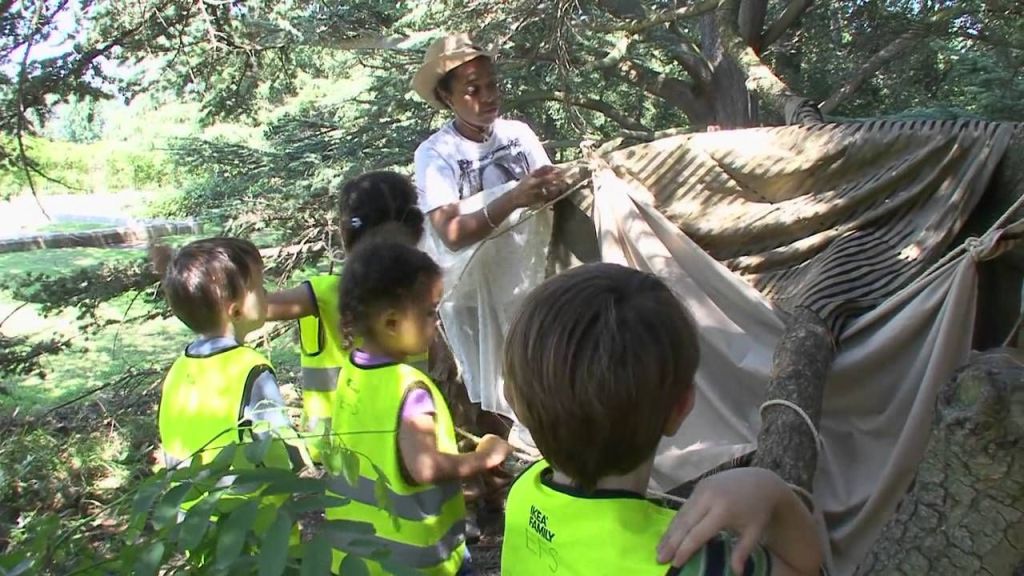
Forest school is an outdoor educational approach that originated in Scandinavia but has since spread to other parts of the world. The concept involves using nature as a classroom setting where children can learn through play, exploration and discovery. Activities may include building shelters, collecting natural materials for art projects, making fires and cooking food over them.
The Benefits of Forest School
One of the key benefits of forest school is that it allows children to develop a strong connection with nature while also promoting physical activity. Children are encouraged to move around freely without constraints which helps improve their gross motor skills such as balance, coordination and agility.
Another benefit of forest school is that it provides opportunities for creativity and imagination through free play. Children often use their surroundings as props for imaginative role-playing games or create sculptures from natural materials found in the environment.
In addition to these benefits, forest schools are known for helping students develop social skills such as communication, teamwork and problem-solving abilities. These skills are essential not only in academic settings but also throughout life.
How Does Forest School Promote Social Skills Development?
There are several ways that forest schools promote social skill development among students:
1) Collaboration: Many activities at forest school require collaboration between group members such as building shelters or creating art installations out of natural materials. This encourages communication among participants who must work together towards achieving common goals.
2) Problem-Solving: Participating in outdoor activities requires critical thinking skills which help children identify problems and come up with solutions on their own or with the help of others in their group. This helps develop problem-solving skills which are important for social and academic success.
3) Communication: Forest school activities often require children to work together and communicate effectively in order to achieve a goal or complete a task. The natural setting also provides opportunities for children to practice active listening, nonverbal communication and expressing ideas and opinions clearly.
4) Resilience: Outdoor activities can be unpredictable, requiring children to adapt quickly when things do not go as planned. This builds resilience which is important for coping with challenges later in life.
5) Empathy: Forest school activities provide opportunities for students to work collaboratively, share resources and support one another emotionally. This promotes empathy as they learn to understand other people’s perspectives and feelings.
Forest School vs Traditional Education
While traditional education focuses on academic achievement, forest schools prioritize experiential learning through hands-on experiences that promote creativity, critical thinking and problem-solving abilities. In contrast, traditional classrooms often rely on teacher-led instruction where students are passive recipients of information.
Moreover, traditional education settings may not provide enough opportunities for social skill development since much of the time is spent sitting at desks or working individually on assignments. By contrast, forest schools encourage peer collaboration which fosters camaraderie among participants while promoting teamwork skills essential for future success.
Conclusion
In conclusion, forest school has several benefits including physical activity promotion alongside nature connection expansion. It provides an opportunity for creative play imaginative role-playing games or creating sculptures from natural materials found in the environment while developing critical thinking skills such as communication coordination balance agility etcetera that help build resilience empathy problem solving abilities essential throughout life’s journey – all within a supportive outdoor environment that encourages exploration without constraints imposed by four walls typical classrooms offer!
 Alternative Amie
Leave a comment