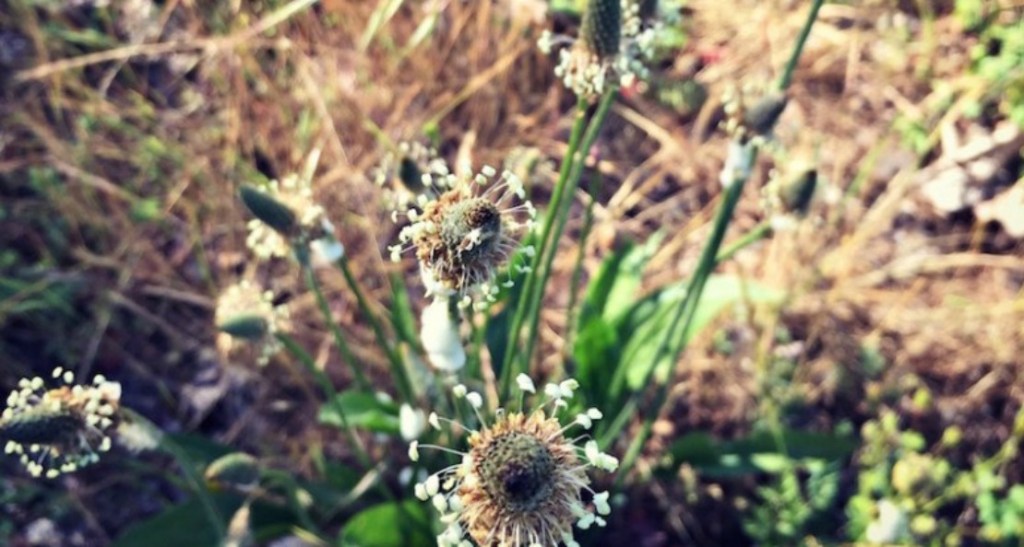
Wildcrafting is the practice of harvesting plants and herbs from their natural environment for medicinal or culinary purposes. It’s an ancient practice that has been used by traditional healers and herbalists for centuries, but it’s also becoming increasingly popular among people who are interested in alternative schooling and education.
There are many benefits to wildcrafting. For one thing, it allows people to connect with nature on a deeper level. By going out into the woods or fields to collect herbs, you can learn about different ecosystems and the plants that grow there. You can also develop a sense of stewardship for these areas as you learn about the importance of sustainable harvesting practices.
Another benefit of wildcrafting is that it allows you to access fresh herbs and plants that may not be available in stores. This means that you can have access to high-quality ingredients for cooking or making your own medicinal remedies.
However, it’s important to approach wildcrafting with caution. There are certain risks associated with collecting plants from the wild, such as accidentally picking poisonous species or damaging delicate ecosystems by overharvesting.
To avoid these risks, it’s crucial to do your research before heading out into the wilderness. Learn how to identify different plant species so that you don’t accidentally pick something harmful. Make sure you’re harvesting in an area where this type of activity is legal and permitted by local authorities.
It’s also important to follow ethical harvesting practices when wildcrafting. This means only taking what you need and leaving enough behind for other animals and future generations of plants to thrive. Many experienced herbalists recommend following the “Rule of Thirds,” which involves taking no more than one-third of a plant at any given time so that it has time to regenerate before being harvested again.
If done responsibly, wildcrafting can be a rewarding way to connect with nature while also accessing high-quality ingredients for cooking or healing purposes. Some common plants that are often harvested in this way include:
1. Elderberry – The berries and flowers of the elderberry plant are commonly used in teas, syrups, and tinctures to boost the immune system.
2. Dandelion – This common weed is often harvested for its leaves, which can be eaten raw or cooked like spinach. The roots are also sometimes used in herbal remedies.
3. Stinging Nettle – This plant has a variety of medicinal uses, including as a diuretic and anti-inflammatory agent. It’s often used to make tea or as an ingredient in soups and stews.
Of course, there are many other plants that can be wildcrafted for both culinary and medicinal purposes. If you’re interested in learning more about this practice, there are many resources available online and through local herbalist organizations.
In conclusion, wildcrafting is a time-honored tradition that allows people to connect with nature while also accessing high-quality ingredients for cooking or healing purposes. However, it should always be approached with caution and done responsibly to avoid harming delicate ecosystems or accidentally picking poisonous species.
 Alternative Amie
Leave a comment