Education is a constantly evolving field, and it’s important for teachers to stay up-to-date with the latest research and techniques. One way that teachers can do this is by becoming researchers themselves. This approach, known as “teacher as researcher,” involves educators conducting their own research in order to better understand their students, improve teaching strategies, and contribute to the wider body of knowledge about education.
The idea of teacher as researcher has been around since at least the 1970s, when scholars like Lawrence Stenhouse first advocated for teachers to take a more active role in educational research. Since then, many schools and universities have embraced this approach as a way to promote professional development and encourage innovation in the classroom.
So what exactly does it mean for teachers to be researchers? At its most basic level, teacher research involves posing questions about student learning or instructional practices, gathering data through methods like surveys or observations, analyzing that data using statistical tools or other techniques, and drawing conclusions based on those findings.
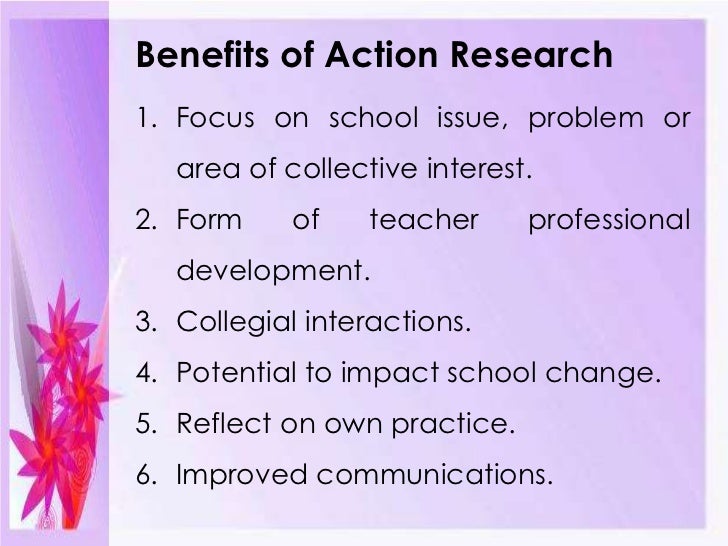
One key benefit of teacher research is that it allows educators to tailor their teaching methods more closely to the needs of individual students. By collecting data on how particular students learn best – whether through visual aids or hands-on activities – teachers can adjust their lesson plans accordingly. This can lead to improved academic outcomes for students who might otherwise struggle in traditional classroom settings.
Another advantage of teacher research is that it fosters greater collaboration among educators. When teachers work together on a common project – such as studying how different learning styles affect student achievement – they can share ideas and insights that might not have emerged otherwise. This kind of collaboration also helps build trust among colleagues and creates a sense of shared purpose within schools.
In addition to benefiting individual classrooms or schools, teacher research also contributes valuable insights to the broader field of education. By sharing their findings with others – either through academic publications or conferences – teacher-researchers help advance our understanding of what works (and what doesn’t) when it comes to teaching and learning.
Of course, not every teacher is equipped or inclined to engage in research on their own. That’s why many schools and universities offer professional development programs that provide support for teachers who want to conduct research but might lack the necessary skills or resources. These programs can include workshops on research methodology, access to data sources like student test scores, and guidance from experienced researchers.
In conclusion, “teacher as researcher” is a powerful approach that has the potential to transform education by placing educators at the forefront of innovation and discovery. By conducting their own research, teachers can better understand their students’ needs and tailor instruction accordingly – leading to improved academic outcomes for all. Additionally, this approach fosters greater collaboration among colleagues and contributes valuable insights to the wider field of education. Whether through formal training programs or individual initiative, more teachers should consider embracing the role of researcher in order to enhance their practice and contribute to our collective understanding of how we can best educate future generations.
 Alternative Amie
Leave a comment