Williams Syndrome: A Unique Genetic Condition
Williams Syndrome is a rare genetic condition that affects about 1 in every 10,000 people worldwide. It was first identified by Dr. J.C.P. Williams in 1961 and is caused by the deletion of approximately 26 genes on chromosome 7.
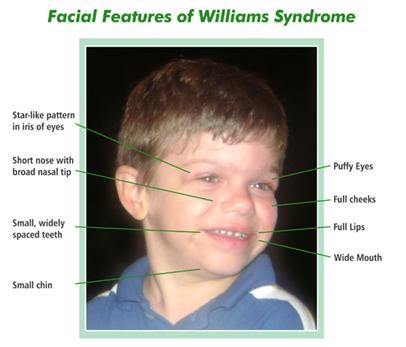
One of the most notable features of Williams Syndrome is the characteristic facial appearance, which includes a small upturned nose, wide mouth with full lips, a small chin, and prominent cheeks. People with Williams Syndrome also have medical issues such as cardiovascular problems, digestive disorders, kidney abnormalities and thyroid dysfunction.
Aside from physical characteristics and medical issues associated with this syndrome, individuals with Williams Syndrome often have unique cognitive abilities and social skills. They tend to be extremely friendly and outgoing, displaying an excessive interest in other people’s emotions or thoughts.
People with Williams Syndrome are known for their great love for music and ability to retain lyrics exceptionally well even at an early age when language acquisition may still be challenging. This love for music is thought to stem from their heightened auditory processing abilities seen alongside their visual-spatial deficits that make them susceptible to developing absolute pitch.
They are usually highly verbal but often struggle with spatial awareness or visuospatial construction tasks (the ability to understand how things relate in space). However many childrens’ schools now use alternative methods like Montessori education which embraces individuality rather than pressurized conformity – allowing children who learn differently than others more time to build these skills without being left behind or stigmatized as having learning disabilities.
Despite some challenges faced by those living with Williams Syndrome; they can lead fulfilling lives when given adequate support systems – be it through specialized schooling systems or continued assistance from family members throughout life.
In conclusion; while there’s no known cure yet for William’s syndrome; early detection can help caregivers prepare themselves mentally & emotionally so that they give loved ones affected by this disorder the best chance possible for a happy and productive life.
 Alternative Amie
Leave a comment