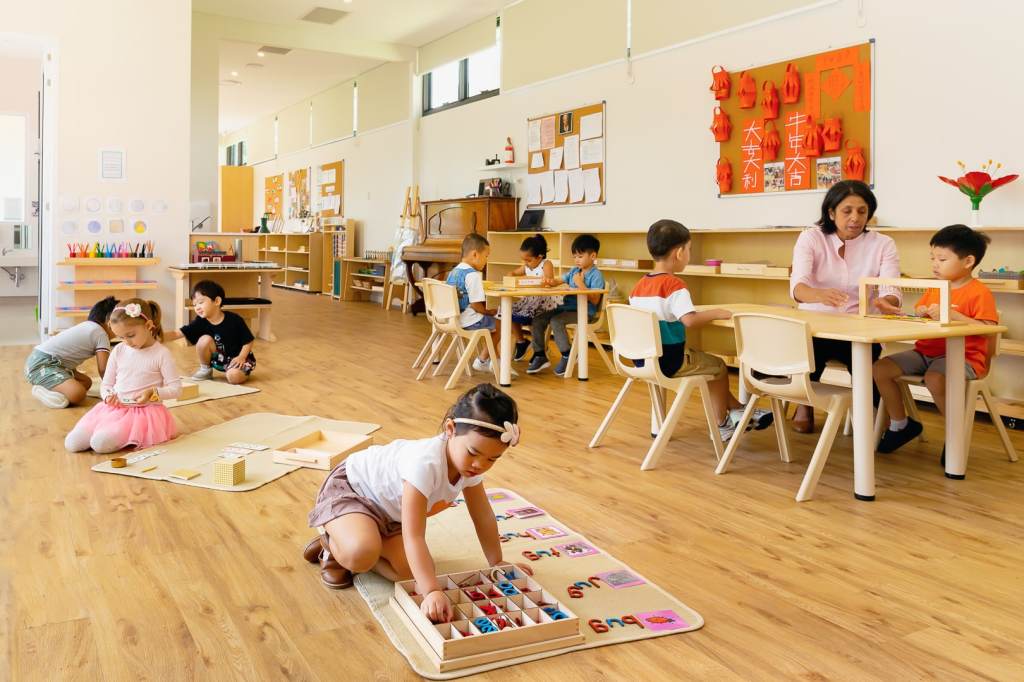
Montessori education is a unique and innovative approach to learning that has been gaining popularity in recent years. Developed by Dr. Maria Montessori over 100 years ago, this method of education emphasizes self-directed activity, hands-on learning, and collaborative play.
One of the key features of Montessori education is its focus on mixed-age classrooms. Unlike traditional schools where students are grouped according to age, Montessori classrooms typically include children from ages three to six or six to nine. This allows for more natural peer-to-peer learning and encourages older students to take on leadership roles while younger ones learn from their example.
Another hallmark of Montessori education is the use of specialized teaching materials that are designed to be interactive and engaging for young learners. These materials cover a wide range of subjects and concepts, from language development and math skills to cultural studies and practical life skills like cooking or cleaning.
Perhaps most importantly, however, Montessori education places a strong emphasis on individualized learning. Rather than following a set curriculum or schedule dictated by teachers, students are encouraged to follow their own interests and passions at their own pace. This helps cultivate a love for learning that can last well beyond the classroom.
Critics of the Montessori method have argued that it may not adequately prepare children for standardized testing or other traditional measures of academic success. However, proponents point out that research has consistently shown that Montessori-educated students tend to perform just as well if not better than their peers in these areas – while also developing important life skills like independence, creativity, problem-solving abilities, empathy and social responsibility.
In fact, some experts argue that the benefits offered by Montessori’s approach are particularly valuable in today’s rapidly changing world economy; with technological advances disrupting industries across all sectors quicker than ever before – employees who can think creatively outside the box will likely be more valuable than those who simply follow orders without question.
That said, Montessori education is not for everyone. It can be expensive and may not be available in all areas. The self-directed nature of the approach also requires a high degree of discipline and responsibility on the part of students – which may make it less suitable for children who struggle with attention or motivation.
Nevertheless, for those families and educators who are interested in exploring an alternative approach to learning that emphasizes independence, creativity, and critical thinking skills – Montessori education offers an exciting option worth considering. If you’re curious about this method further research will certainly help give you insights into whether or not it would suit your needs.
 Alternative Amie
Leave a comment