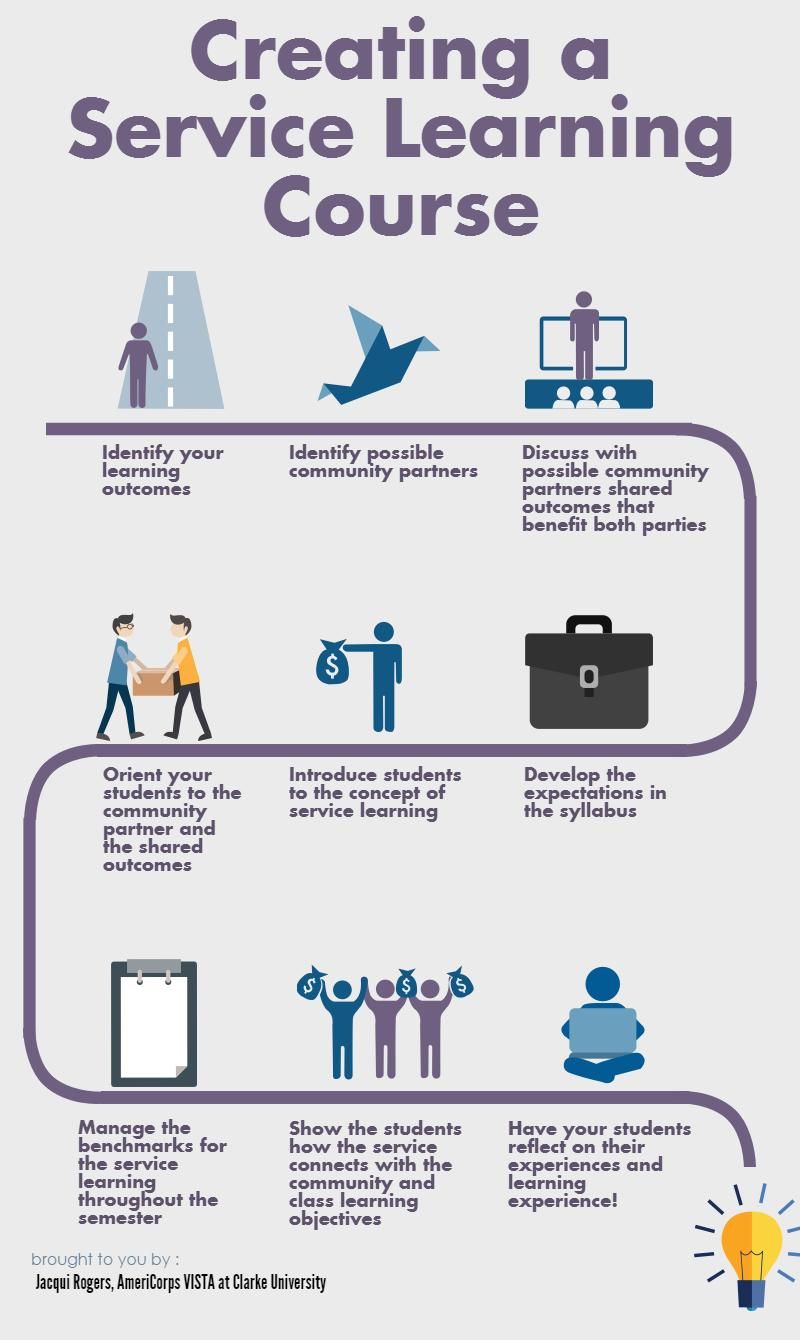
Service-learning is a teaching and learning approach that integrates community service with academic instruction. It offers students the opportunity to apply what they learn in real-life situations and provides valuable learning experiences while meeting actual community needs. Service-learning can benefit both the student and the community, creating a mutually beneficial relationship.
One of the primary benefits of service-learning is that it enhances student engagement. When students are involved in meaningful activities, they become more interested and invested in their education. This heightened sense of engagement leads to increased motivation, which translates into better academic performance.
Additionally, service-learning promotes civic responsibility by encouraging students to be active members of their communities. Students who participate in service-learning develop a sense of empathy towards those they serve and are more likely to continue volunteering throughout their lives.
Service-learning also fosters important life skills such as communication, teamwork, problem-solving, critical thinking, and leadership development. These skills are essential for success both academically and professionally.
Another benefit of service-learning is its ability to expose students to diverse perspectives and cultures. By working with individuals from different backgrounds or socioeconomic statuses than themselves, students gain an understanding of various issues facing society today.
Furthermore, service-learning can provide opportunities for interdisciplinary learning by combining classroom curriculum with hands-on experience outside of school walls. For example, science classes could work on environmental projects such as cleaning up local parks or monitoring water quality in rivers.
There are several ways schools can incorporate service-learning into their curriculums:
1) Designate specific courses or programs that require a certain number of hours devoted to community service
2) Partner with local organizations or non-profits to offer volunteer opportunities for students
3) Create clubs or extracurricular activities centered around serving the community
In conclusion, incorporating service-learning into education not only benefits individual students but also strengthens communities as a whole. Through this approach, we can cultivate engaged citizens who possess necessary life skills while addressing pressing societal issues.
 Alternative Amie
Leave a comment