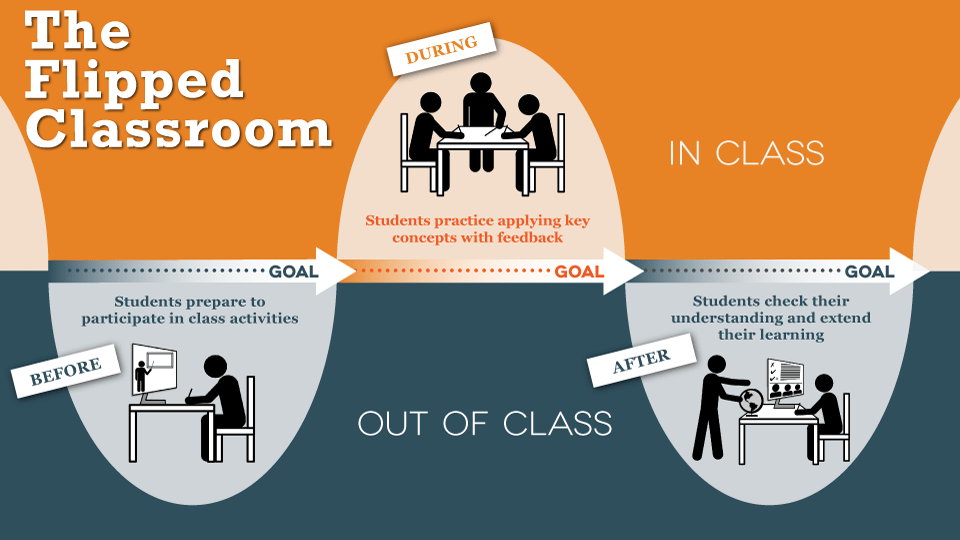
The flipped classroom model has been a popular topic in education for many years. It is a teaching method that reverses the traditional teaching approach by delivering instructional content, often in video format, outside of class and using class time to focus on collaborative activities and problem-solving. This model allows students to learn at their own pace while also providing opportunities for teachers to engage with students on a more individualized level.
One of the main benefits of the flipped classroom model is its emphasis on active learning. Instead of passively listening to lectures, students are actively engaged in problem-solving and group discussions during class time. This helps them develop critical thinking skills and fosters collaboration amongst peers.
Furthermore, this method promotes self-directed learning as students take responsibility for their own education by watching videos, taking notes, and completing assignments outside of class time. They can also pause or rewind the video if they don’t understand something which makes it easier for them to catch up if they miss anything.
Another advantage is that it enables teachers to provide personalized instruction tailored to each student’s unique needs. The flipped classroom allows instructors more one-on-one interaction with each student instead of just lecturing from the front of the classroom where only some students might be able to pay attention.
Additionally, this approach offers flexibility because it can be adapted according to different schedules or learning styles. For example, some schools may choose a hybrid version where classes meet in person part-time or offer asynchronous online courses so that students have access anytime.
However, there are also challenges associated with implementing a flipped classroom model effectively. One challenge is ensuring that all students have equal access to technological resources such as computers and reliable internet connections since most materials will be accessed through these devices.
Another potential issue arises when assigning homework as many times these assignments require access technology which again might not be available at home due financial constraints or other reasons leading towards an inequitable distribution among learners
Moreover, flipping classrooms requires lots of preparation time on the teacher’s end. Creating video content or other lesson materials to be used outside of class takes a lot of effort which can be overwhelming for some teachers who are already overburdened with teaching, grading, and administrative tasks.
In conclusion, despite its challenges, the flipped classroom model has great potential to transform traditional education models. By emphasizing active learning and personalization, this approach can benefit students by developing critical thinking skills and fostering collaboration amongst peers while also enabling instructors to provide more individualized instruction. However, schools must ensure that all students have access to technological resources so that they can participate fully in the flipped classroom experience without facing any equity issues.
 Alternative Amie
Leave a comment