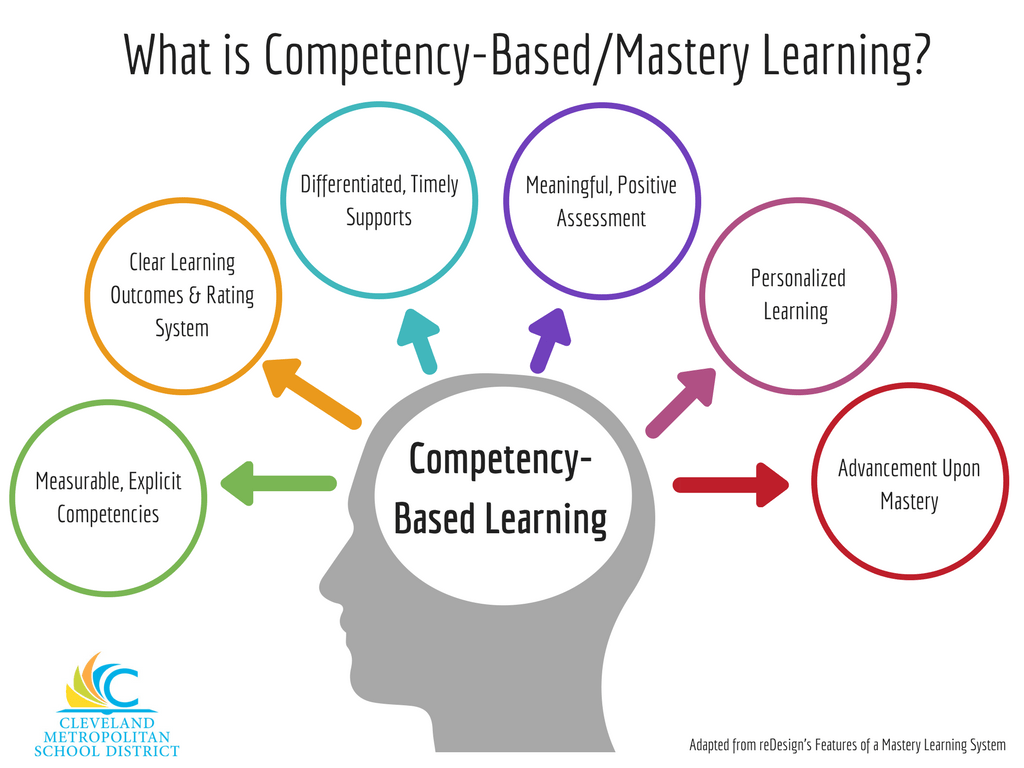
Competency-based education (CBE) is a student-centered approach to learning that focuses on the mastery of specific skills and knowledge rather than traditional measures such as grades or seat time. In this model, students progress through content at their own pace, demonstrating mastery before moving on to new material. CBE has gained popularity in recent years as an alternative to the traditional classroom model, providing flexibility for learners who may need more time or different instructional approaches.
The roots of CBE can be traced back to the 1960s when educators like Benjamin Bloom and Ralph Tyler began advocating for personalized learning experiences based on individual student needs and abilities. However, it wasn’t until the advent of digital technologies in the late 1990s that CBE became truly scalable and accessible.
Today, there are many different models of CBE being used in K-12 schools and higher education institutions across the country. The most common types include:
1. Direct assessment: This model allows students to demonstrate their knowledge and skills through real-world projects or assessments rather than taking traditional tests or exams.
2. Competency-based progression: Students advance through coursework once they have demonstrated mastery of key competencies.
3. Personalized pathways: Learners follow customized paths based on their individual strengths, interests, and goals.
One reason why CBE has gained traction among educators is because it aligns with a growing focus on outcomes-based education rather than inputs such as hours spent in class or assignments completed. By emphasizing what students know and can do instead of how long they spend studying a particular subject or topic area, educators hope to prepare learners for success beyond school by equipping them with practical skills that are relevant in today’s workforce.
Another advantage of CBE is its ability to support equitable access to high-quality education regardless of geography or socioeconomic status. With online platforms like Khan Academy or Edmentum providing free resources and coursework materials available anytime from anywhere with internet connection, students from any community can access world-class education.
CBE also empowers learners to take ownership of their learning by providing them with clear expectations and goals. By focusing on mastery of specific skills rather than grades or test scores, students have a greater sense of control over their progress and are better able to identify areas where they need additional help or support.
However, CBE is not without its challenges. One major concern is the potential for student isolation in an online environment where there is no face-to-face interaction with teachers or peers. To address this issue, some schools have implemented mentorship programs or peer-to-peer collaboration opportunities to foster social connections among learners.
Another challenge is ensuring that assessments accurately measure mastery of competencies and that grading standards are consistent across different course materials and instructors. Many CBE models rely on subjective evaluations by teachers or mentors which may vary in rigor depending on individual interpretation.
Despite these limitations, many educators believe that CBE has the potential to revolutionize education as we know it today. By creating more flexible pathways for learning and emphasizing practical skills over traditional measures like grades or seat time, CBE could help prepare learners for success in a rapidly changing 21st-century workforce while increasing access to high-quality education for all students regardless of socioeconomic status.
 Alternative Amie
Leave a comment