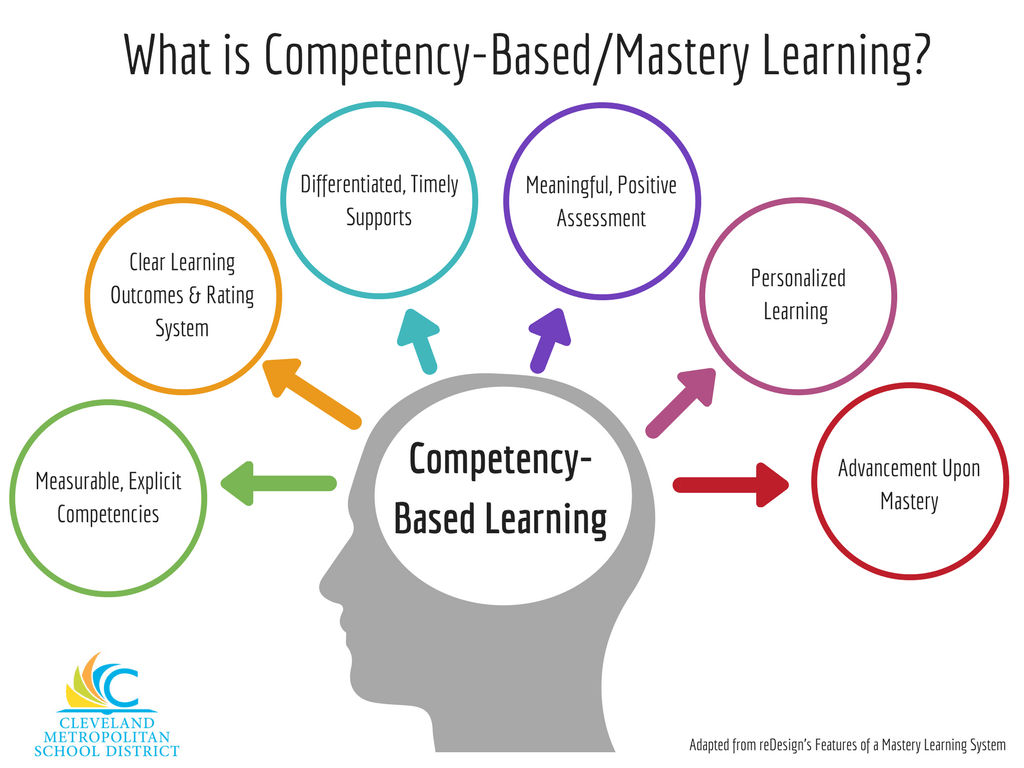
Competency-based education, also known as CBE, is an educational approach that emphasizes learning outcomes over traditional time-based methods of instruction. In this model, students are evaluated based on their mastery of specific skills or competencies rather than simply the number of hours spent in a classroom.
CBE has been gaining momentum in recent years as many educators and policymakers recognize the limitations of traditional instructional models. By focusing on what students can do rather than how long they have spent studying a subject, CBE provides a more personalized and flexible approach to learning.
In competency-based education settings, teachers work with students to identify specific goals or competencies that they need to master in order to succeed in their chosen field. These goals may be related to academic subjects like math or science, or they may focus on developing non-cognitive skills such as communication or problem-solving.
One key advantage of CBE is its flexibility. Since students are able to progress at their own pace and demonstrate mastery before moving on to new material, those who struggle with certain concepts can receive additional support without being held back by the rest of the class.
Another benefit of competency-based education is its emphasis on real-world application. Rather than simply memorizing information for tests, students are encouraged to apply their knowledge and skills in practical situations. This helps prepare them for success not only in school but also in future careers.
While CBE may seem like a relatively new concept, it actually has roots dating back several decades. The earliest examples of competency-based education were developed by industries seeking ways to train employees more efficiently. For example, pilots must demonstrate proficiency in flying an airplane before being allowed to operate one commercially.
Over time, these industry-driven approaches evolved into formal educational programs designed for schools and universities. Today there are hundreds if not thousands of K-12 schools as well as higher ed institutions offering some form of competency-based education program.
However, despite its growing popularity among educators and policymakers, CBE is not without its challenges. One major concern relates to equity and access: since students are evaluated based on mastery of specific competencies, those who lack the resources or support to meet these goals may be left behind.
Another issue with CBE is that it requires a significant amount of planning and coordination among teachers, administrators, and other stakeholders. This can be particularly challenging for schools with limited resources or staff.
Despite these challenges, many educators see competency-based education as a promising way to improve learning outcomes for all students. Advocates argue that by focusing on what students can do rather than how long they have spent studying a subject, CBE provides a more personalized and flexible approach to learning.
Furthermore, advocates say that competency-based education aligns well with broader trends in higher education such as personalization and lifelong learning. In an era where traditional degrees are becoming less valuable due to the rapidly changing job market, CBE offers an alternative path towards acquiring the skills needed for success in today’s world.
So what does the future hold for competency-based education? While there is no doubt that it will continue to evolve as new technologies emerge and educational needs change over time, one thing is clear: this model has already made a significant impact on how we think about teaching and learning in the 21st century.
 Alternative Amie
Leave a comment