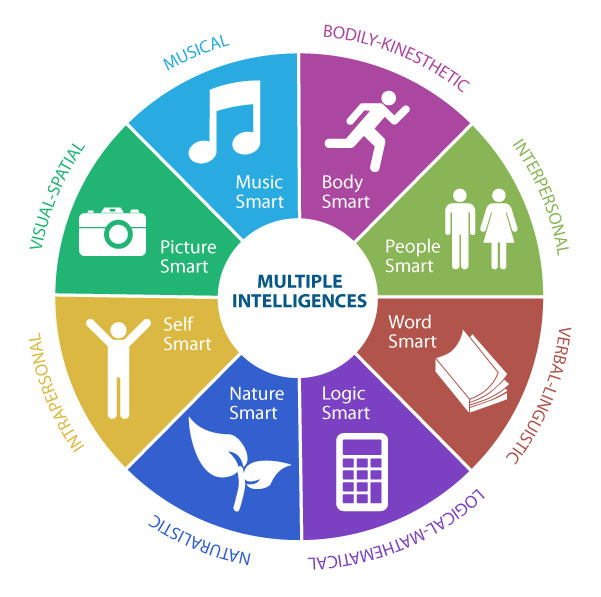
In the traditional education system, intelligence is often measured by one’s academic performance in subjects such as math and language. However, the Multiple Intelligences approach challenges this narrow view of intelligence by recognizing that individuals possess a range of different intelligences that go beyond the traditional academic realm.
The theory of Multiple Intelligences was introduced by Harvard psychologist Howard Gardner in 1983. According to Gardner, there are eight different intelligences: linguistic, logical-mathematical, spatial, bodily-kinesthetic, musical, interpersonal, intrapersonal and naturalist. Each individual has a unique combination of these intelligences which can be developed and nurtured over time.
Alternative schools have been at the forefront of implementing this approach into their curriculum design and teaching methods. By acknowledging and accommodating for students’ diverse strengths and learning styles through differentiated instruction techniques such as project-based learning or experiential learning activities.
One of the key benefits of utilizing Multiple Intelligences in education is that it can help build self-esteem among students who may not excel academically but have other talents worth exploring. For instance, a student with strong spatial intelligence may struggle with reading comprehension but could excel in geometry or architecture-related projects.
Moreover, incorporating multiple intelligences into lesson plans helps create an inclusive classroom environment where students feel valued for their unique abilities rather than being judged solely on how they perform on tests or exams. This approach also encourages teachers to use varied forms of assessment such as portfolios or presentations instead of relying solely on written exams based purely on recall knowledge.
Another advantage is that teachers using Multiple Intelligence theory design lessons with more relevance to real-world situations via authentic assessments since they aim to develop learners’ skills related to life outside school walls like critical thinking ability problem-solving skills teamwork etcetera.
However implementing MI requires significant work from educators including designing new curricula materials developing teaching strategies training teachers assessing progress making sure all students are being reached equitably. Therefore, it can be challenging to incorporate multiple intelligences into traditional education systems.
In summary, the Multiple Intelligences approach recognizes that intelligence is not a one-size-fits-all concept but rather a diverse range of strengths and skills. This approach has been adopted by alternative schools worldwide as an effective way to create inclusive classrooms where students feel valued for their unique abilities and are encouraged to develop their full potential. While implementing MI in education requires significant effort from educators, its benefits make it a worthwhile endeavor for creating more engaging learning experiences that better prepare students for the complex demands of the 21st century.
 Alternative Amie
Leave a comment