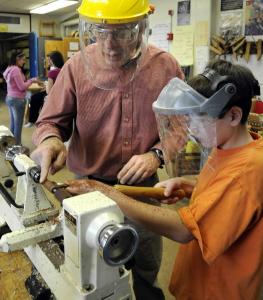
Woodworking: A Hands-On Education
When we think of education, we often picture traditional classroom settings and textbooks. However, there is another type of education that goes beyond the textbook and provides a hands-on learning experience – woodworking.
Woodworking offers an alternative form of education that can benefit students in many ways. It provides practical skills that can be applied to everyday life, such as problem-solving, critical thinking, and creativity. It also teaches patience and attention to detail, qualities that are essential for success in any field.
In addition to these benefits, woodworking allows students to work with their hands and create something tangible. This type of learning can be especially beneficial for students who struggle in traditional classroom settings or have different learning styles. By working with wood and tools, they are able to see their progress firsthand and take pride in their accomplishments.
Furthermore, woodworking can be a valuable skill for future careers. From carpentry to furniture making, there are countless opportunities for those with woodworking skills. Even if students do not pursue a career in the field, they will still have learned a valuable trade that they can use throughout their lives.
One great aspect of woodworking is its accessibility – it doesn’t require expensive equipment or materials. Many schools have woodshops where students can learn the basics without having to invest in equipment themselves.
Overall, incorporating woodworking into education can provide numerous benefits for students both inside and outside the classroom. It offers a unique opportunity for hands-on learning while teaching important skills that will benefit them throughout life.
 Alternative Amie
Leave a comment