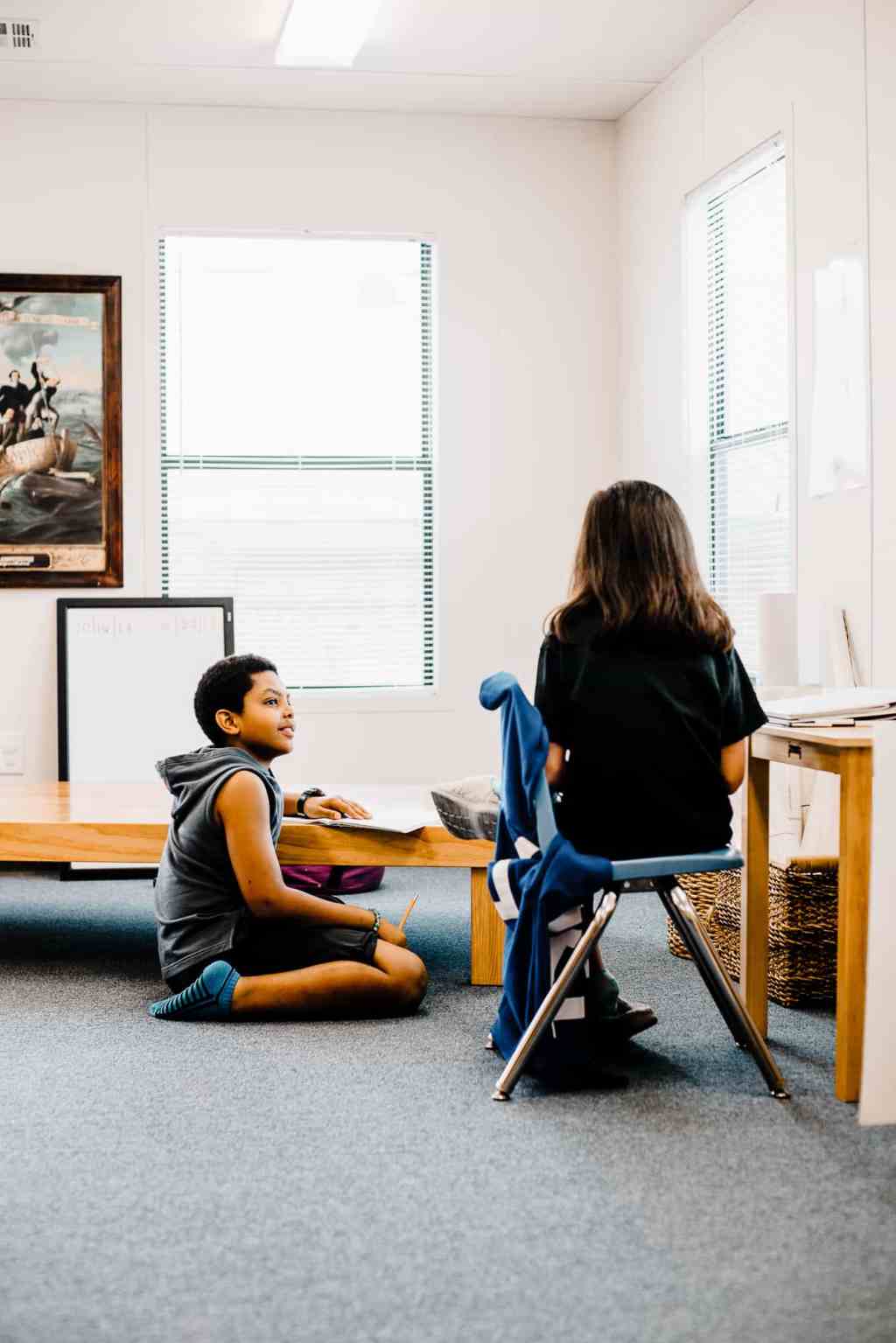
Mixed Age Classrooms: The Top 8 Benefits of Alternative Schooling and Education
For centuries, age-segregated classrooms have been the norm in traditional education systems. However, alternative schooling and education models are increasingly adopting mixed-age classrooms as a valuable approach to learning. A mixed age classroom is precisely what it sounds like – students from different ages and grades are grouped together in one class.
Many parents may be skeptical about mixed-age classrooms, but research has shown that this model offers numerous benefits for children’s academic, social, emotional development. In this post, we will explore the top eight benefits of mixed-age classrooms:
1. Collaboration over competition
Mixed-age groups promote collaboration rather than competition among students. Younger children learn from older peers while older ones develop leadership skills by helping their younger classmates. This dynamic fosters mutual respect and cooperation between children of different ages.
2. Individualized learning
In a mixed-age classroom setting, teachers can tailor instruction to meet each student’s unique needs instead of teaching to the middle or focusing solely on grade-level standards. Students can work at their own pace with fewer distractions while receiving individualized support when they need it.
3. Positive peer role models
Older students serve as positive role models for younger ones in a mixed-aged class environment since they act as mentors and guides towards academic success and good behavior within the classroom community.
4. Socialization across age groups
Students learn how to interact with people who are not in their immediate peer group through interacting with individuals who are both older and younger than them—a skill that is essential later on in life when working in diverse environments.
5. Increased empathy
Children develop greater empathy skills through exposure to diversity within their peers’ experiences; those who struggle academically or emotionally receive support from others who have gone through similar situations themselves.
6.Increased independence
Mixed-aged classes also facilitate independent thinking by encouraging self-motivation within each student to learn and pursue interests outside of the classroom environment.
7. Real-world preparation
Mixed-age classrooms provide an opportunity for students to learn from each other about different perspectives, ideas, and opinions that may not otherwise be encountered in age-segregated classrooms. This experience prepares them for real-life situations by teaching them how to navigate diversity in social settings.
8. Flexible Curriculum
In mixed-aged classes, teachers can offer more flexibility with their curriculum since they have a range of ages within one class; this allows educators to incorporate multiple learning styles into lessons while also ensuring that all students receive the necessary instruction they need at their own pace.
Mixed-age classrooms are perfect for alternative schooling environments that prioritize holistic education over traditional academic models. The benefits discussed above align with progressive ideals such as emotional intelligence development, critical thinking skills cultivation, and encouraging a love of learning across subjects rather than focusing on rote memorization or test-taking ability only.
Parents who are considering this alternative model should keep these benefits in mind when looking for schools or programs offering mixed-age classes. It is important to find out how these classes work and what specific strategies teachers use so you can make an informed decision about your child’s educational journey.
Conclusion
The benefits of mixed-age classrooms are clear: individualized learning experiences tailored to each student’s unique needs; increased empathy through exposure to diversity among peers; flexible curriculum options available due to having multiple age groups represented within one class; positive peer role models for younger children provided by older ones acting as mentors towards academic success & good behavior within classroom communities; enhanced independence through self-motivation encouraged within each pupil regardless of grade level or age group affiliation.
Alternative schooling systems often promote more holistic approaches toward education, which explains why mixed-age classrooms are commonly found in such environments where emphasis is placed upon cultivating critical thinking skills alongside emotional intelligence development – both essential life skills beyond textbook knowledge alone!
 Alternative Amie
Leave a comment