Radical Unschooling: An Overview
Radical unschooling is a unique approach to education and child-rearing that emphasizes trust, freedom, and self-directed learning. Unlike traditional schooling which typically involves structured lessons, textbooks, and tests, radical unschoolers believe that children learn best when they have the freedom to pursue their own interests and passions.
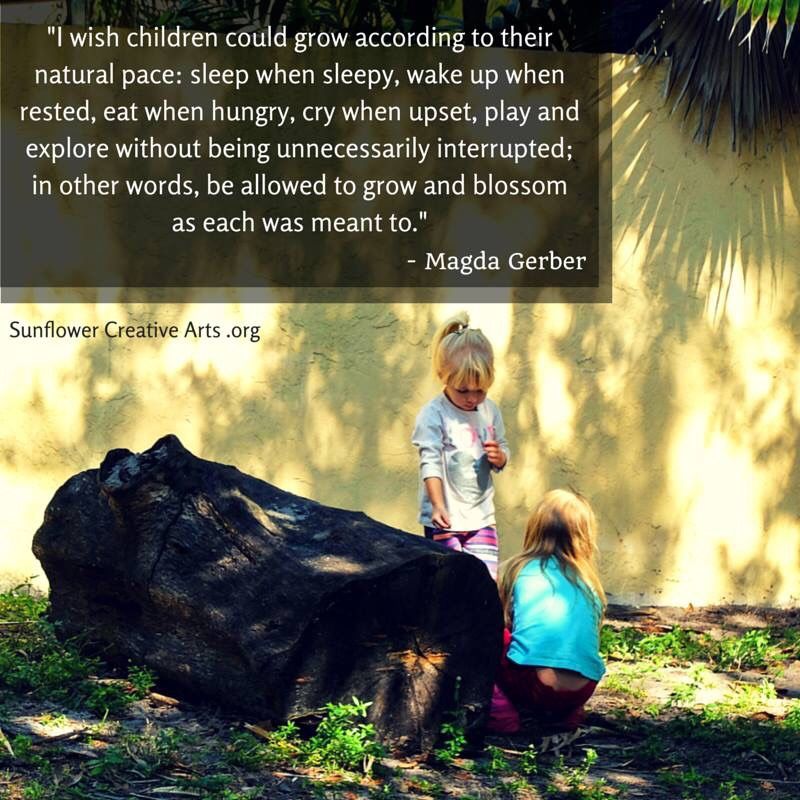
At its core, radical unschooling is based on the belief that children are naturally curious and motivated learners. By allowing them to explore their world in an unstructured way, parents can help them develop a love of learning that will last a lifetime.
One of the key principles of radical unschooling is trust. Parents who practice this approach believe that their children are capable of making good decisions about what they need to learn and how they should spend their time. Instead of dictating what their children should do or learn each day, they offer guidance and support as needed while giving their kids full autonomy over their educational pursuits.
Another important aspect of radical unschooling is respect for each child’s individuality. Rather than expecting all kids to conform to one set standard or curriculum, parents tailor learning experiences to fit each child’s unique interests and abilities. This means that some kids might spend hours reading books on astronomy while others might prefer tinkering with electronics or building forts in the backyard.
While proponents of radical unschooling argue that it offers many benefits over traditional schooling (such as greater flexibility, creativity, motivation), there are also concerns raised by critics about whether it adequately prepares children for the real world beyond childhood.
Those who question this approach worry about whether students will be able to succeed in college or careers without formal instruction in basic academic subjects like math or science. Others ask if unstructured learning environments may lead to gaps in knowledge or skills necessary for success later in life.
Despite these critiques however there remains a growing number of families around the world who have embraced Radical Unschooling. These families often describe their experience as transformative, and credit the approach with fostering a deep love of learning and creativity in their children.
In conclusion, Radical unschooling offers a unique perspective on education that emphasizes trust, respect for individuality, and freedom to pursue one’s passions. Whether or not it is right for every family remains an open question but what is clear is that radical unschooling provides an alternative to traditional schooling that may be worth exploring further.
 Alternative Amie
Leave a comment