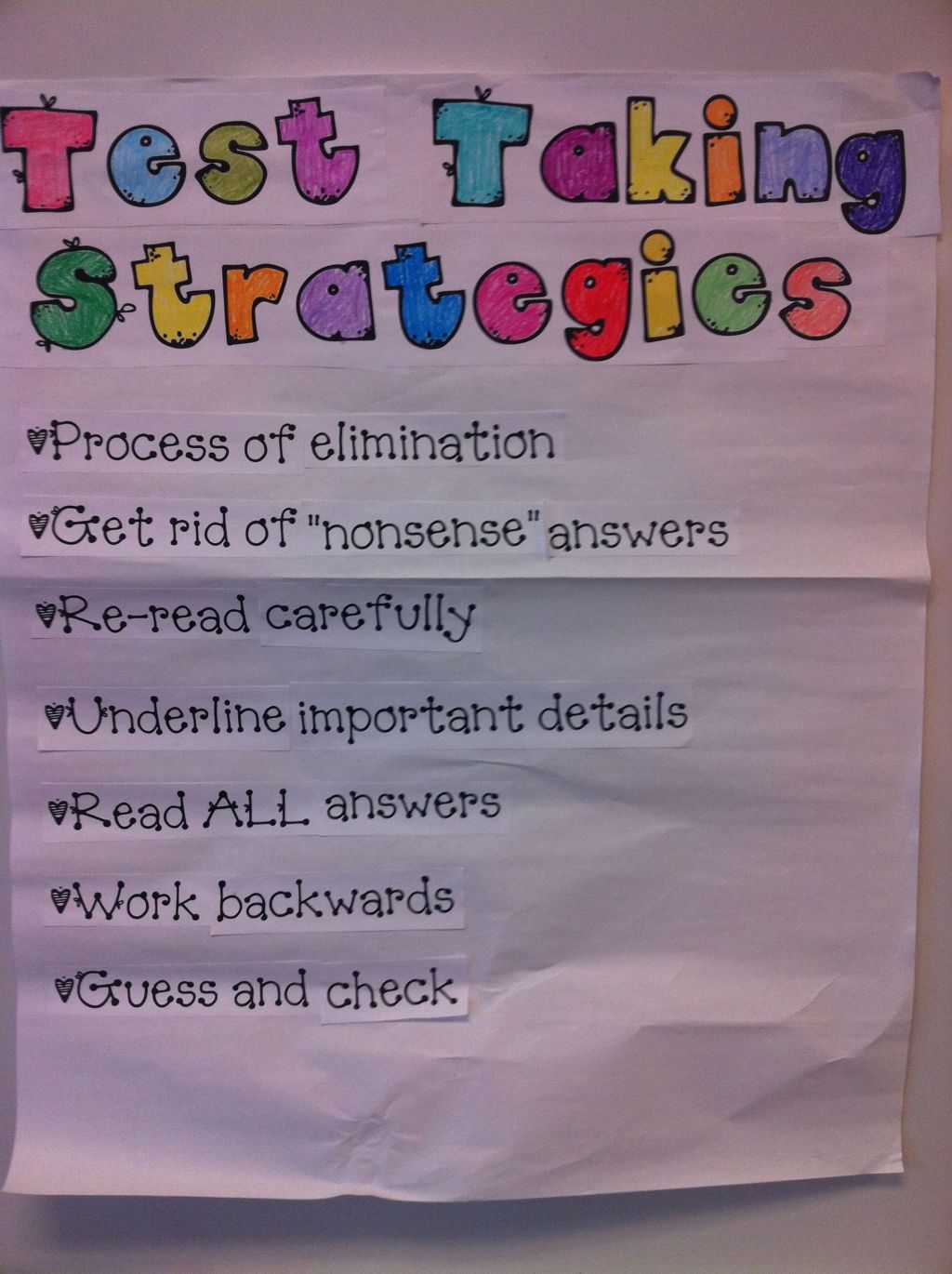
Test-taking Strategies to Help You Succeed
Test-taking can be a stressful and challenging experience, especially for students who struggle with anxiety or lack confidence in their abilities. However, there are strategies that you can use to help you prepare for exams and improve your performance. In this post, we will explore some of the most effective test-taking strategies based on statistics and research.
1) Start studying early: One of the most important factors in achieving success on a test is starting your preparation early. According to a study published by the National Institutes of Health (NIH), students who start studying at least two weeks before an exam tend to perform better than those who cram at the last minute. This is because giving yourself enough time allows for more thorough review of material, practice with sample questions, and identification of areas where you need extra help.
2) Organize your notes: Another crucial aspect of preparing for tests is organizing your notes effectively. Taking good class notes throughout the semester will make it easier to review later on. When reviewing your notes, highlight key concepts or terms that seem particularly important or difficult so that you know what topics require more attention.
3) Use active learning techniques: Research has shown that actively engaging with course material through activities such as note-taking, summarizing information in writing, and teaching others helps reinforce learning and retention. Active learning also keeps students engaged while reducing boredom during longer study sessions.
4) Take breaks regularly: It’s essential not to overwork yourself when preparing for tests; taking regular breaks can actually boost productivity according to several studies conducted by psychologists over recent years (e.g., Kuhn & Wagner 2016). A break every 45 minutes may be beneficial since it allows our brains time away from focused thoughts without losing momentum in our studies.
5) Practice breathing exercises or meditation: Anxiety can significantly impact test scores if left unchecked. Practicing deep breathing techniques or meditation has been proven useful in reducing test anxiety. By bringing your body and mind to a relaxed state, you can focus more effectively on the task at hand.
6) Get enough rest: Sleep is crucial for memory consolidation and problem-solving abilities. A good night’s sleep before an exam can improve performance significantly. In contrast, staying up all night cramming may lead to exhaustion or forgetfulness during the test.
7) Read instructions carefully: Before starting any tests, read through all instructions carefully. Make sure that you understand what is expected of you and how to answer questions properly. Pay attention to details such as whether answers should be written in pen or pencil or if there are restrictions on using calculators.
8) Answer easy questions first: When taking multiple-choice exams, start with the easy questions first; this strategy helps build momentum while boosting confidence by knocking out easy points early on. It also gives students time to gather their thoughts before tackling more challenging items.
9) Eliminate wrong answers: If you’re struggling with a particular question, eliminate choices that don’t make sense; this narrows down possibilities while increasing your chances of selecting the right answer even if unsure which one it could be.
10) Manage your time well: Time management is crucial when taking exams since it ensures that you have enough time for each section without running out of time near the end when some critical areas might still need attention. For example, set aside equal amounts of time for each section so that you don’t spend too much time on one area while neglecting others.
In conclusion, success in test-taking requires preparation and organization throughout the semester rather than just studying hard a few days before an exam day finally arrives. The tips outlined above represent effective strategies backed by research data and statistics designed explicitly to help students perform better when taking exams regardless of subject matter or level difficulty. Use these techniques routinely for improved academic achievement!
 Alternative Amie
Leave a comment