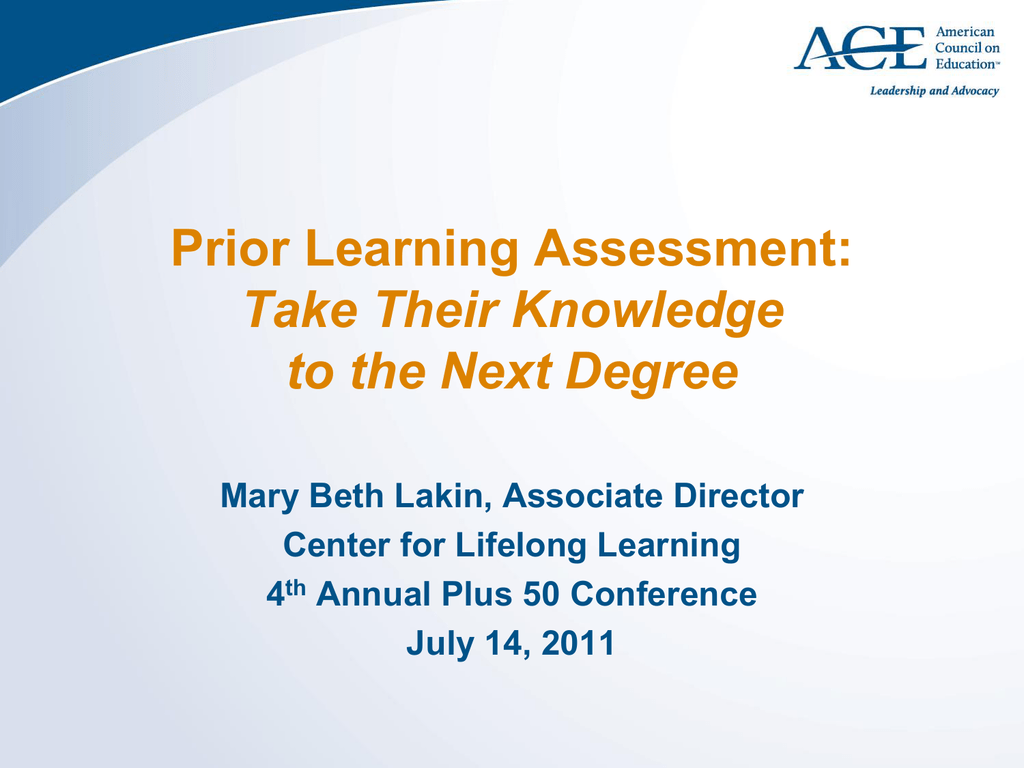
Prior Learning Assessment and Recognition (PLAR) is a process of evaluating an individual’s prior learning experiences, knowledge, and skills to determine if they meet the requirements for academic credit or professional certification. It recognizes that learning can happen in various contexts and not just in traditional classrooms. Here are the top 10 benefits of Prior Learning Assessment and Recognition:
1. Saves Time and Money
One of the most significant benefits of PLAR is that it saves time and money by allowing individuals to demonstrate their knowledge and skills without taking unnecessary courses or exams. This can be especially helpful for adult learners who have work experience but lack formal education.
2. Increases Access to Education
PLAR provides access to education for individuals who may not have had the opportunity to attend college or university due to financial constraints or life circumstances. By recognizing prior learning, institutions can award academic credits that count towards a degree program.
3. Promotes Lifelong Learning
When individuals have their prior learning recognized, it encourages them to continue pursuing further education opportunities as they realize the value of lifelong learning.
4. Enhances Career Opportunities
Recognizing prior learning can also enhance career opportunities by providing evidence of an individual’s competencies and qualifications beyond what is listed on a resume.
5. Fosters Self-Confidence
Having one’s prior learning recognized can provide a sense of validation, which enhances self-confidence in one’s abilities.
6. Encourages Critical Reflection
The PLAR process requires individuals to reflect critically on their past experiences, identifying what they learned from those experiences, which helps them build upon this knowledge base moving forward.
7. Supports Diversity & Inclusion
PLAR supports diversity by acknowledging different forms of knowledge acquisition outside traditional educational settings such as volunteer work or apprenticeships.
8. Facilitates Adult Learners’ Participation
Adult learners face numerous obstacles when returning back into formal schooling; however, PLAR accommodates these obstacles since it acknowledges the knowledge and skills that they have acquired through work, life experiences, or other non-traditional learning methods.
9. Increases Graduation Rates
PLAR can increase graduation rates by reducing the time needed to complete a degree since individuals can receive academic credit for their prior learning experiences.
10. Encourages Innovation in Teaching
Institutions that offer PLAR are encouraged to develop new teaching strategies that recognize diverse forms of learning. This approach promotes innovation in education delivery and encourages instructors to adapt their teaching methods accordingly.
In conclusion, Prior Learning Assessment and Recognition provides numerous benefits for adult learners seeking academic credentials or professional certifications. It saves time, money, increases access to education while fostering self-confidence, encouraging critical reflection, supporting diversity & inclusion, facilitating adult learners’ participation in formal schooling settings and increasing graduation rates. Additionally, it promotes innovation in teaching strategies as institutions adapt their educational models to accommodate diverse forms of learning and knowledge acquisition.
 Alternative Amie
Leave a comment