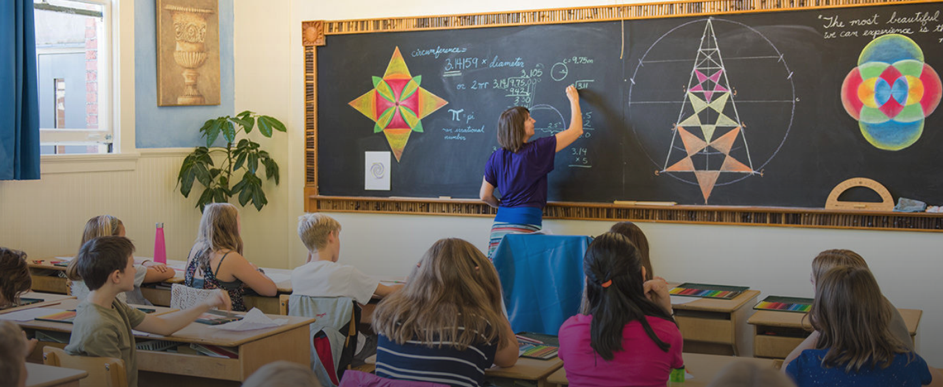
Waldorf education is a unique approach to teaching that nurtures the whole child – their mind, body, and spirit. Developed by Austrian philosopher Rudolf Steiner in the early 20th century, this educational philosophy emphasizes experiential learning and creativity.
One of the hallmarks of Waldorf education is its focus on artistic expression. Children are encouraged to explore different art forms such as drawing, painting, sculpture, music, and drama. This helps them develop their imagination and creativity while also enhancing their cognitive abilities. Artistic activities can also be therapeutic for children who may struggle with other aspects of learning.
Another key element of Waldorf education is its emphasis on play-based learning. Young children learn through imaginative play and hands-on experiences rather than rote memorization or standardized tests. This allows them to discover new concepts at their own pace while building important social skills like cooperation and communication.
In addition to these core principles, Waldorf schools often incorporate elements like nature walks or gardening into their curriculum. These outdoor activities help connect children with the natural world and provide opportunities for physical exercise and fresh air.
Perhaps one of the most distinctive features of Waldorf education is its class structure. Rather than grouping students by age or ability level like traditional schools do, Waldorf classes are organized by grade levels based on developmental milestones. Teachers stay with a group of students throughout several years so they can build strong relationships with both parents and pupils.
While some critics argue that this model may not be as effective for every student’s needs compared to more individualized approaches; many parents have found that it provides a supportive community environment where children thrive emotionally as well as academically.
Overall, Waldorf education offers an alternative approach to schooling that values holistic development over test scores alone. By emphasizing creativity, play-based learning, nature connection ,and social-emotional growth alongside academics; it invites curiosity from learners in ways which conventional schooling often fails .
If you are interested in exploring alternative education options for your child, Waldorf schools may be worth considering. They could offer an enriching educational experience that helps foster a lifelong love of learning and creativity.
 Alternative Amie
Leave a comment