When it comes to education, there are many different approaches that parents can choose from. One such approach is classical education, which has been around for centuries and focuses on teaching students how to think critically and engage with the world around them.
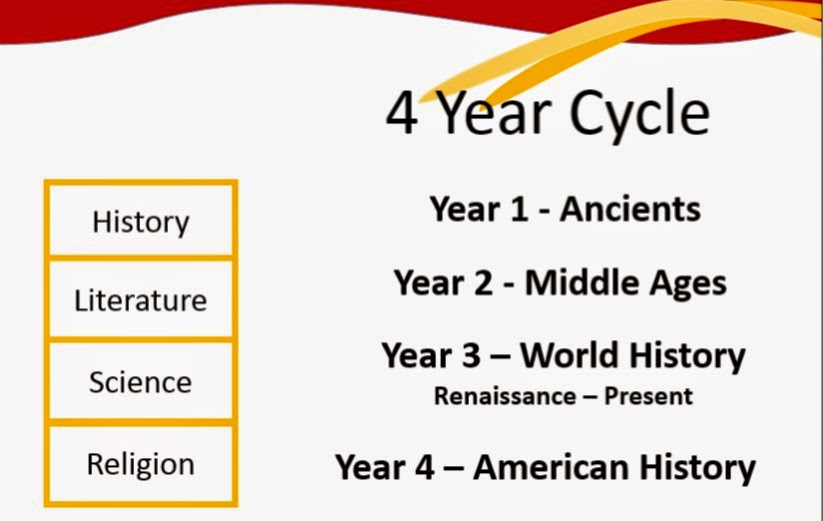
At its core, classical education is based on three stages of learning: grammar, logic, and rhetoric. During the grammar stage (which typically lasts from kindergarten through fourth grade), students focus on memorizing facts and building a foundation of knowledge in subjects like history, literature, mathematics, and science.
Once they have a solid foundation in these subjects, students move on to the logic stage (usually from fifth through eighth grade). Here they learn how to analyze information critically and develop their reasoning skills – skills that will serve them well throughout their lives.
Finally, during the rhetoric stage (typically ninth through twelfth grade), students learn how to express themselves persuasively and effectively. They hone their writing skills while also studying more advanced topics in areas like history or philosophy.
One of the biggest benefits of classical education is that it emphasizes Western civilization’s rich intellectual tradition. Students read works by great thinkers such as Plato or Shakespeare rather than just modern textbooks. This approach encourages students to think deeply about important questions related to morality or ethics while also developing an appreciation for art and culture.
Critics argue that classical education might not prepare children for today’s job market since it doesn’t focus heavily enough on practical skills like computer programming or engineering. However proponents believe that this approach teaches children how to think creatively while giving them a lifelong love of learning – something that will serve them well no matter what career paths they pursue later in life.
Overall, Classical Education provides a rigorous yet rewarding path towards intellectual development – one where young learners explore timeless ideas within the context of human experience; thus becoming equipped with tools needed for success beyond school walls.
 Alternative Amie
Leave a comment