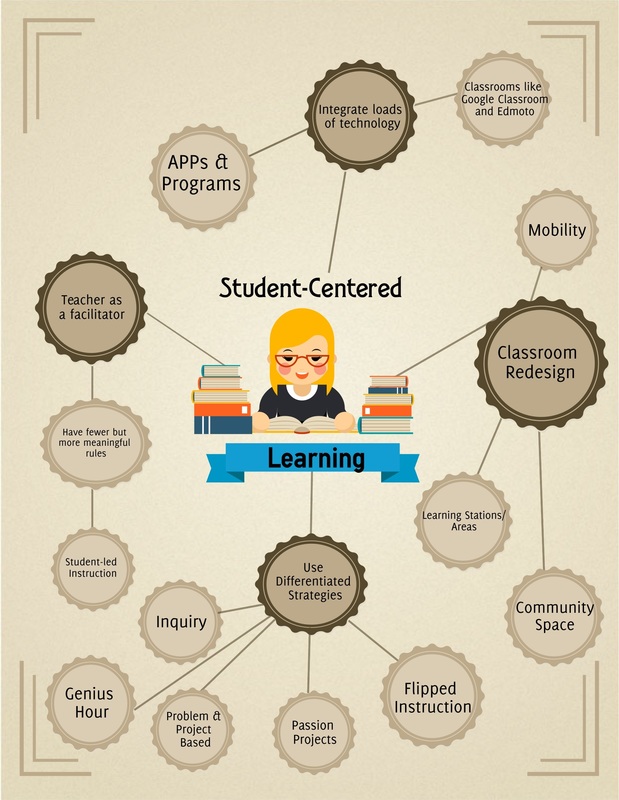
Student-centered learning is an approach to education that places students at the center of their own learning experience. In this model, the teacher serves as a facilitator rather than a lecturer, guiding students through activities that allow them to explore and discover information on their own. Here are ten key principles of student-centered learning:
1. Personalized Learning: Every student has unique needs and interests, so personalized learning is essential for student-centered instruction. Teachers should provide opportunities for students to work independently or in small groups, allowing them to pursue topics that interest them.
2. Active Learning: Passive listening doesn’t lead to deep understanding or retention of material; instead, active engagement with content helps students better understand concepts and retain information more effectively.
3. Project-Based Learning: By working on projects related to real-world problems or issues, students can apply what they’ve learned in practical ways while developing important critical thinking skills.
4. Collaboration: Student-centered classrooms emphasize collaboration over competition by providing opportunities for group work where learners share ideas and help each other learn.
5. Self-Assessment: Students must be encouraged to evaluate their own progress regularly. This allows them to reflect on how much they have learned and identify areas where they need further development.
6. Flexibility: The pace of instruction should depend on the individual needs of each learner; some may require additional time while others may move ahead more quickly.
7. Choice: Providing choices allows learners greater control over their education while also fostering independence and self-motivation – essential qualities for lifelong learning success.
8. Authentic Assessment: Traditional tests don’t always accurately measure student knowledge; authentic assessments such as portfolios or presentations better demonstrate what a student knows and can do with their knowledge.
9. Technology Integration: With technology being central in today’s world, integrating it into curriculum ensures learners develop necessary digital literacy skills which prepares them for future career paths
10.Community Involvement : Engaging schools’ community in classroom activities promotes collaboration, networking and diversity of thought.
In summary, student-centered learning prioritizes the needs of individual learners and encourages active participation instead of passive listening. By incorporating personalized instruction, project-based learning, collaboration, self-assessment, flexibility, choice making , authentic assessment and technology integration into our teaching practices , we can help create an environment where students are motivated to learn on their own terms while receiving guidance from their teachers. This approach empowers students to take ownership of their education and develop skills they will use throughout their lives.
 Alternative Amie
Leave a comment