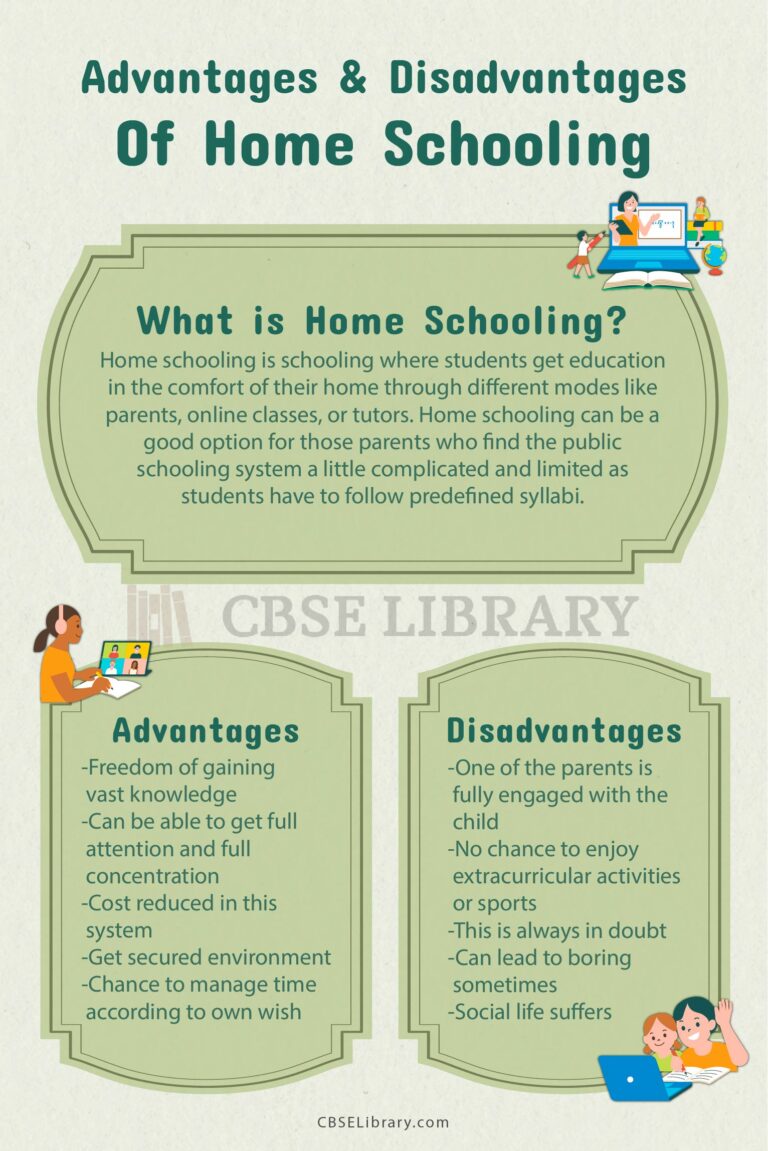
Alternative schooling and education have been gaining popularity in recent years as parents look for different ways to educate their children outside of traditional schools. Whether it be homeschooling, unschooling, or different types of alternative schools, there are many options available for families who are looking for a non-traditional approach to education. In this article, we will explore the top 10 benefits of alternative schooling and education.
1. Tailored Learning
One of the biggest advantages of alternative schooling is that it allows for tailored learning experiences. Each child has unique needs and interests, which can be better addressed in a personalized educational setting. Alternative schools often have smaller class sizes and more individualized attention from teachers or mentors.
2. Flexibility
Alternative schooling also offers more flexibility in terms of scheduling and curriculum choices than traditional schools do. Parents can choose when and how their children learn based on their family’s schedule or personal preferences.
3. Hands-on Learning
Many alternative schools emphasize hands-on learning opportunities over traditional book-based instruction methods used in public schools. This can include project-based learning, field trips, apprenticeships with professionals in various fields, internships programs etc., all providing students with practical skills they can use later on in life.
4. Focus on Creativity
Creativity is not just an “extra” but rather an essential component of our lives – something that most traditional school systems may overlook by focusing mainly on academic skills such as reading comprehension or mathematics instead.. Many alternative approaches like Montessori or Waldorf focus heavily on arts integration into everyday curriculum while others let kids play freely without rigid constraints so they can develop creative thinking skills naturally.
5. Self-Directed Learning
In many alternative education settings like unschooling , children take charge of their own learning with guidance from adults around them . This allows learners to pursue topics they are passionate about at a pace that feels comfortable yet challenging enough while developing self-discipline along the way.
6. Encourages Critical Thinking
Alternative education systems often encourage critical thinking, which is an essential skill in today’s world. Students are encouraged to question and analyze information instead of accepting it at face value, giving them a strong foundation for future success.
7. Nurturing Environment
Alternative schools provide a nurturing environment where children can explore their interests and learn in a supportive atmosphere without feeling judged or pressured by peers or teachers that they may encounter in traditional school settings.
8. Sense of Community
Many alternative schools foster a sense of community among students, parents, and educators alike. This creates an environment where everyone feels valued and supported while developing relationships with others around shared interests.
9. Open Communication
Compared to traditional schooling models , alternative ones tend to have open communication channels between students, parents, and educators . This helps build trust between all parties involved leading to better learning outcomes for kids who feel more engaged in their educational goals as well as receiving adequate support along the way from their community
10. Life skills development
Lastly but not least important – Alternative approaches typically prioritize life skills such as problem-solving , decision-making , time management etc., which are vital for future success both academically and outside classroom walls . By focusing on these key areas alongside academic pursuits, children develop confidence in themselves as they gain independence over time .
In conclusion, there are many benefits of alternative schooling and education that families can take advantage of when looking for new ways to educate their children outside traditional classrooms or homeschooling environments . With personalized learning opportunities tailored specifically towards each child’s needs combined with flexibility around scheduling choices plus hands-on experiences aimed at cultivating creativity alongside self-directed learning opportunities fostering critical thinking – the sky’s the limit when it comes down what’s possible within this realm!
 Alternative Amie
Leave a comment