Personalized Learning Plans: The Key to Effective Alternative Education
Education is not a one-size-fits-all solution, and traditional schooling systems often fall short in meeting the diverse needs of their students. This is where alternative education comes in. It provides an opportunity for students to learn in environments that better suit their learning styles and interests. However, even within alternative education systems, it’s important to recognize that each student has unique goals and capabilities – which is why personalized learning plans are essential.
What Is a Personalized Learning Plan?
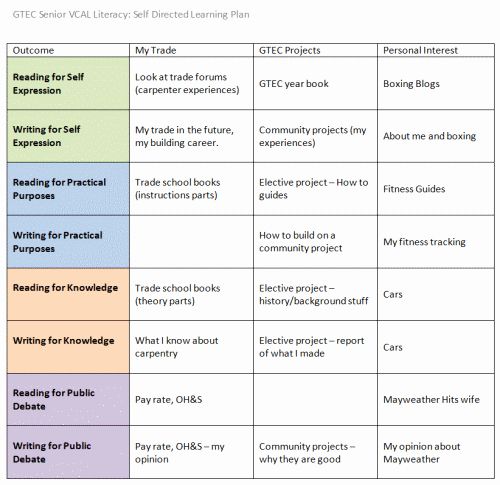
A personalized learning plan (PLP) is a customized educational approach designed to meet the unique needs of each student. It takes into account factors such as individual strengths, weaknesses, interests, and learning style preferences. Essentially, a PLP outlines specific goals for each student along with strategies for achieving them.
Why Are Personalized Learning Plans Important?
The benefits of personalized learning plans are numerous. For starters, they help keep students engaged in their own education by making them feel more invested in the process. By tailoring instruction to meet their individual needs and interests, students are more likely to stay motivated throughout their academic careers.
Moreover, PLPs can help educators identify areas where students need extra support or challenge so that they can provide targeted interventions when necessary. They also promote collaboration between teachers and parents or guardians by encouraging ongoing communication about student progress.
Finally, rigorous research shows that personalized learning plans improve academic outcomes for all types of learners – from high-achieving students who need additional challenges to those who may be struggling academically or have special needs.
How Are Personalized Learning Plans Developed?
Developing effective PLPs requires careful planning and collaboration between educators and families alike.
Firstly, it’s important to establish clear objectives based on each student’s academic record and career aspirations. These objectives should be achievable yet challenging enough so as not to hinder growth potential.
Next, educators must assess student skills using various methods, such as standardized tests, portfolios, and observations. These assessments help educators create a detailed profile of each student’s strengths and weaknesses.
Once objectives have been established and skills assessed, the next step is to develop strategies that address specific needs. This could include personalized instruction, tutoring sessions, peer mentoring programs, or experiential learning opportunities. Teachers may also recommend supplementary resources like books or online tutorials to support student learning outside of school hours.
Throughout the process of developing PLPs, it’s essential for educators to involve families in decision-making. Parents/guardians can provide valuable insights into their child’s personality traits and personal interests that may not be apparent in academic records alone.
How Are Personalized Learning Plans Implemented?
Implementing PLPs requires ongoing commitment from both teachers and students alike.
Firstly, teachers must remain flexible in their approach to instruction by providing differentiated materials based on each student’s unique needs. This might include adapting curriculum materials or creating new ones that are more appropriate for individual learners.
Secondly, students must take an active role in their own education by setting goals for themselves and monitoring their progress regularly. They should be encouraged to ask questions when they don’t understand something and seek out additional resources as needed.
Finally, parents/guardians should remain involved throughout the process by attending meetings with educators regularly to discuss progress updates or concerns about their child’s learning experience.
Examples of Successful Personalized Learning Plans
There are many examples of successful personalized learning plans being implemented across alternative education systems nationwide:
1) In Indiana: The Metropolitan School District (MSD) of Wayne Township provides a “Personalized Pathways” program designed specifically for high school students who want more flexibility in scheduling classes according to career aspirations.
2) In California: Summit Public Schools uses PLPs as part of its competency-based model which allows students to advance at their own pace through mastery-based courses using personalized playlists curated by teachers based on individual student needs.
3) In New Hampshire: The Virtual Learning Academy Charter School (VLACS) offers an entirely online, competency-based program that allows students to design their own PLPs and progress through coursework at their own pace.
Conclusion
Personalized learning plans offer a powerful tool for educators seeking to meet the diverse needs of their students. By tailoring instruction to individual strengths, weaknesses, interests, and learning style preferences – we can help keep students engaged in the educational process and improve academic outcomes. With careful planning and ongoing commitment from all stakeholders involved – personalized learning plans can be successfully implemented across alternative education systems nationwide.
 Alternative Amie
Leave a comment