Experiential Learning Environment: The Montessori Way
Education is not just about imparting knowledge to students. It is also about providing them with the skills and abilities to make sense of the world around them and become productive members of society. This is where experiential learning comes into play, which emphasizes active engagement in the learning process, hands-on experiences, and problem-solving.
One approach that has been gaining popularity over recent years is the Montessori method of education. Developed by Dr Maria Montessori in Italy in the early 1900s, this teaching philosophy focuses on creating an environment that promotes self-directed learning through exploration and discovery.
The Montessori approach recognizes that children have a natural inclination towards learning and seeks to provide them with an environment that fosters their innate curiosity. In such an environment, children are given freedom within limits to explore their interests at their own pace while being guided by trained teachers who act as facilitators rather than lecturers.
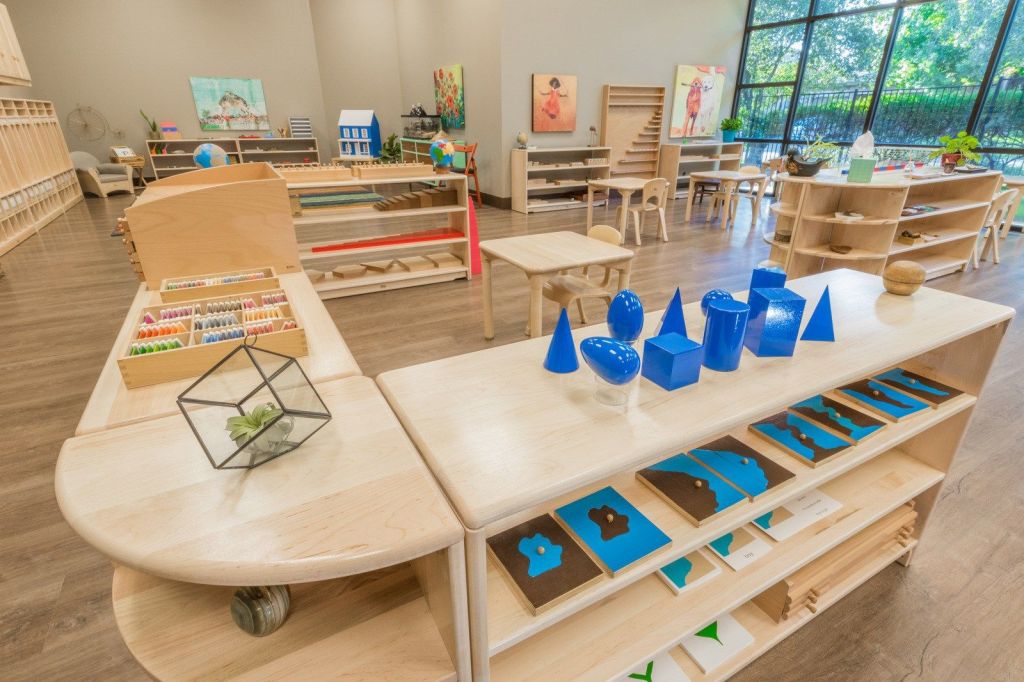
Montessori classrooms are designed to be child-centered spaces where everything from furniture to materials is tailored specifically for little learners. Children work independently or in small groups on various activities that promote cognitive development, sensory awareness, language acquisition, socialization skills, and emotional intelligence.
The curriculum focuses on practical life skills like cooking, cleaning up after themselves, dressing themselves independently; sensorial materials used help young children develop fine motor skills dexterity; mathematics concepts are taught using concrete manipulatives making it easier for younger students grasp abstract mathematical concepts later on; literacy instruction begins with phonetic sounds before progressing onto reading lessons when children have developed a strong foundation in phonics.
In addition to classroom activities, many Montessori schools offer outdoor nature-based programs where students can learn about ecology through hands-on experience like gardening or animal husbandry projects. These programs foster a sense of stewardship for our planet while promoting physical activity and stimulating creativity among young learners.
Another hallmark of the Montessori approach is its emphasis on multi-age classrooms. Children of different ages and abilities are grouped together in classes, which allows for peer learning opportunities. Older children act as mentors to younger ones, and younger children learn from older peers’ examples leading to a sense of community building within the classroom.
The Montessori philosophy has many benefits for students. One significant advantage is that it promotes self-motivation and autonomy while fostering creativity, critical thinking skills, collaboration, and social-emotional development. The approach supports individualized learning where each child can progress at their own pace without feeling pressure to keep up with classmates or being held back by slower learners.
Montessori schools also place an emphasis on character development alongside academic achievements. Teachers encourage students to be respectful of themselves and others by modeling positive behavior like kindness towards others or taking responsibility for one’s actions; this helps create an environment where all members feel valued regardless of their background or experience.
Furthermore, research suggests that Montessori-educated students perform better academically than those who attend traditional schooling systems. A study conducted by Angeline Lillard found that five-year-old children attending a public Montessori school scored higher on standardized tests than those in traditional programs when controlling for differences in family income levels.
However, some critics argue that the Montessori method may not be suitable for every student because it requires a high degree of self-discipline and motivation from learners who may not thrive in such an unstructured environment. Additionally, some parents have reported difficulty finding work after graduating from Montessori schools as they may lack certain skill sets required by employers due to the curriculum’s non-traditional nature.
In conclusion, experiential learning environments like those found in Montessori schools offer many benefits over traditional teaching methods. They provide young learners with opportunities to develop lifelong skills such as problem-solving abilities while fostering independence through hands-on experiences tailored specifically for them. While the Montessori approach may not be suitable for every child, it is an excellent option for parents seeking a more holistic education that values character development alongside academic achievement.
 Alternative Amie
Leave a comment