Competency-Based Education: A Revolutionary Approach to Learning
Education is an essential aspect of human development. It provides the foundation for a person’s growth and success in life. However, traditional education systems have been criticized for being rigid and outdated, failing to cater to the individual needs of students. As a result, there has been a growing demand for alternative approaches that can address these shortcomings. One such approach is Competency-Based Education (CBE).
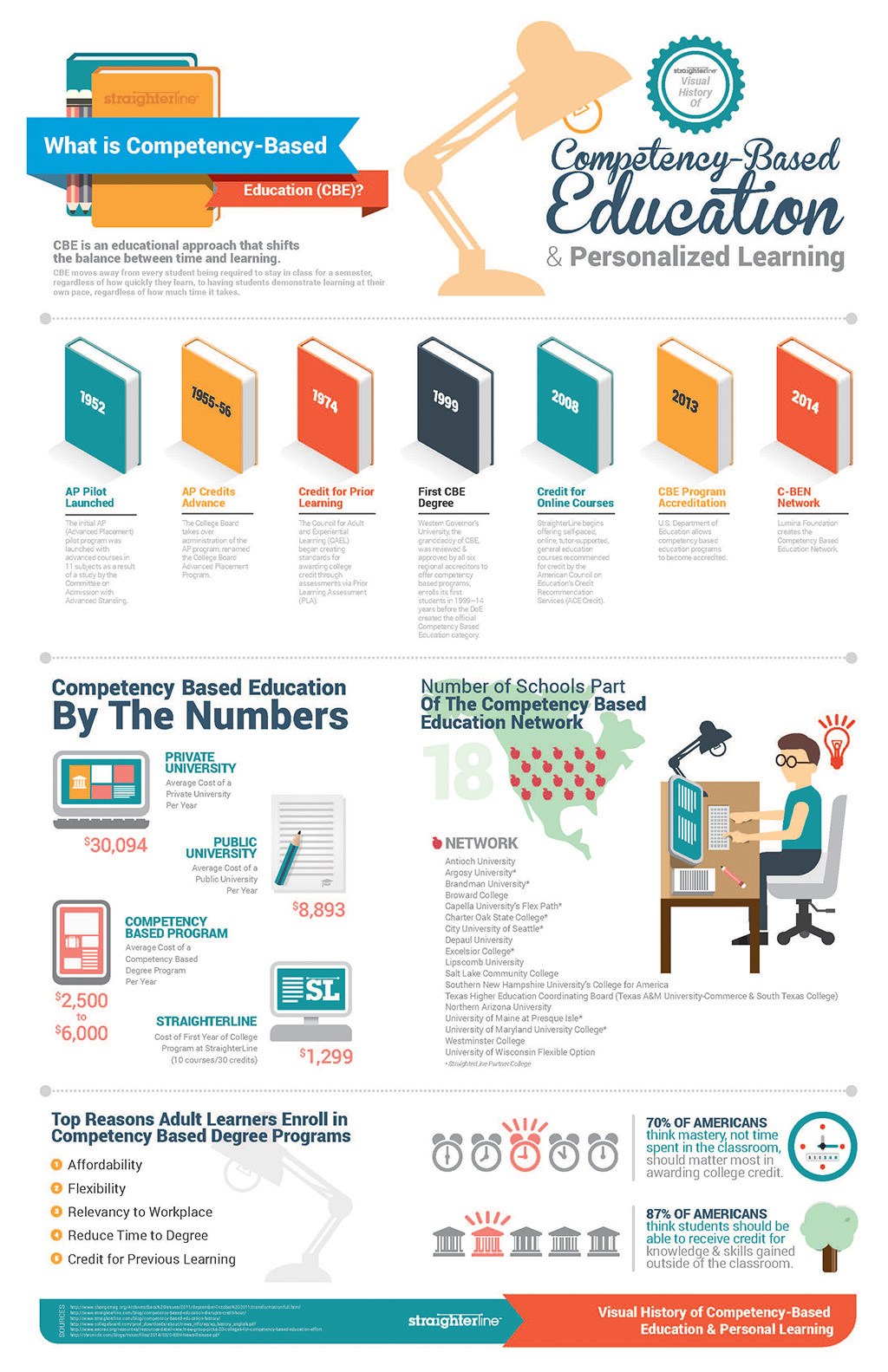
CBE is a revolutionary teaching method that focuses on what students know and can do rather than how long they spend in a classroom or completing coursework. This model is based on the belief that learning should be personalized and tailored to each student’s unique abilities, interests, and goals.
In this post, we will explore CBE in detail – its origins, key features, benefits, criticisms, examples of successful implementation – with the aim of helping you understand why it could be an excellent option for learners seeking alternatives to traditional education systems.
Origins of Competency-Based Education
The roots of CBE can be traced back to the 1960s when educators were looking for ways to improve student outcomes by focusing on mastery instead of seat time. This idea gained momentum during the 1980s as policymakers recognized that traditional education systems were not meeting workforce demands due to their emphasis on grades rather than skills.
The first formal adoption of CBE occurred in New Hampshire during the early 2000s when state officials developed competencies aligned with academic standards across all grade levels from K-12 within their public school system. Since then, numerous states across America have implemented competency-based models into their curriculums.
Key Features
At its core level, CBE emphasizes mastery over grades; this means that students must demonstrate proficiency in specific skill sets before moving onto more challenging concepts or new courses.
CBE programs are designed around clear learning objectives which are often broken down into smaller units known as “competencies.” These competencies are aligned with academic standards and essential skills that students must acquire to succeed both academically and in the workforce.
Assessments play a crucial role in CBE. Students’ progress is measured through a variety of methods, including projects, presentations, portfolios, and tests. These assessments help teachers identify areas where students struggle and tailor instruction accordingly.
CBE programs also use technology to personalize learning experiences for each student. Digital tools such as adaptive software can provide instant feedback to learners and guide them towards resources that address their weaknesses.
Benefits
One of the most significant benefits of CBE is its ability to meet the specific needs of individual learners. By focusing on what students know and can do rather than seat time or grades earned, this model provides personalized learning opportunities tailored to each individual’s strengths, interests, goals, and needs.
Additionally, CBE promotes critical thinking by challenging learners to apply their knowledge in real-world contexts rather than rote memorization of information. This approach helps prepare students for success not only academically but professionally as well.
Finally, CBE has shown promising results in improving student outcomes across various settings – from K-12 schools to higher education institutions. Studies have found increased engagement among learners using competency-based models; they demonstrate higher levels of motivation when compared with traditional teaching approaches.
Criticism
Despite its potential benefits, CBE has been subject to criticism over concerns surrounding quality control; some argue that it may be difficult for educators using competency-based models to maintain consistent standards across all learners given differences between individual students’ abilities at different stages within curriculums or courses being taught under these frameworks.
Furthermore, evaluating student performance based on mastery could lead educators to lower expectations or set limits on what they believe certain groups of individuals (such as those who learn differently) can achieve due primarily based upon inherent characteristics outside their control like disabilities or socio-economic status instead focusing solely on their demonstrated proficiency.
Examples of Successful Implementation
CBE has been implemented successfully across many settings globally. Here are some examples:
1. New Hampshire: The state’s public school system developed competencies aligned with academic standards across all grade levels, resulting in higher graduation rates and increased student engagement.
2. Summit Public Schools (California): This K-12 charter school system uses a personalized learning platform called “Summit Learning” to individualize instruction based on each student’s needs. A study found that students who completed the program outperformed those using traditional teaching methods.
3. University of Wisconsin Flexible Option: This competency-based program offers adults an alternative route to earning degrees by allowing them to demonstrate mastery in specific subjects without having to attend traditional classes or campuses physically.
Conclusion
Competency-Based Education is a revolutionary approach to learning that emphasizes personalized instruction, critical thinking, and real-world application of knowledge and skills. While CBE may not be perfect for everyone, it provides learners with an alternative pathway towards achieving their goals while enabling educators to better meet individualized needs through a more flexible curriculum structure designed around clear learning objectives.
As policymakers continue exploring ways to improve education systems’ effectiveness, there is no doubt that CBE will play a crucial role due primarily because it aligns well with modern workforce demands where skills matter more than grades earned in traditional educational settings.
 Alternative Amie
Leave a comment