Project-Based Learning: A Hands-On Approach to Education
Gone are the days when students sat in classrooms, listening to lectures and taking notes. Today’s education system is evolving, and project-based learning (PBL) is a popular teaching method that has gained immense popularity among educators around the world.
What is Project-Based Learning?
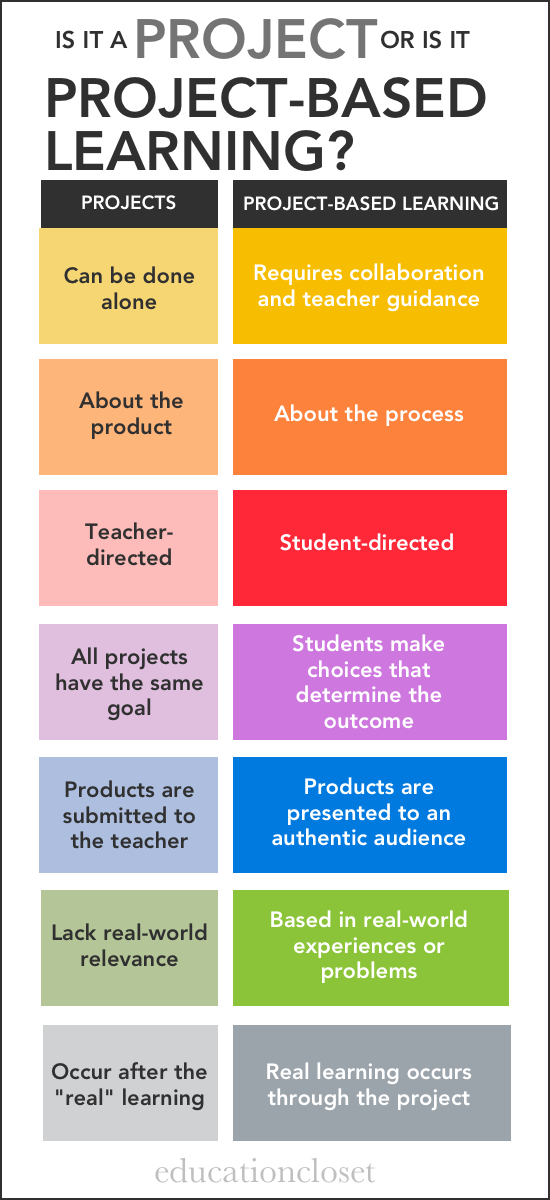
Project-based learning is an instructional method where students learn by actively engaging in real-world projects. Unlike traditional classroom instruction, PBL emphasizes student-centered learning, collaboration, critical thinking, problem-solving skills and self-directed learning.
This approach allows students to apply what they’ve learned in class to real-life situations while developing essential skills such as teamwork, communication and leadership. PBL also encourages creativity and innovation while fostering a sense of autonomy that enables students to take charge of their own learning.
How Does Project-Based Learning Work?
In project-based learning, teachers guide their students through a series of interconnected activities designed around specific topics or problems. These projects can range from building a robot to designing an eco-friendly city or even organizing a food drive for the homeless.
The teacher serves as a facilitator who provides guidance on how to approach each task but doesn’t dictate what should be done at any given moment. Instead, the focus remains on helping learners figure out what they need to do next based on their understanding of the problem at hand.
Why Is Project-Based Learning Important?
Project-based learning has several benefits for both educators and learners alike. For one thing, it helps build stronger relationships between teachers and students since there’s more interaction between them throughout the process than during traditional classroom instruction.
Moreover, because PBL promotes active engagement from start-to-finish; it improves retention rates compared with passive listening during lecture-style classes. This hands-on experience helps individuals understand concepts better as well as retain information longer than if they were receiving this knowledge passively through textbooks or lectures alone. It also gives learners practical experience applying lessons learned in the classroom to real-world problems.
Another advantage of PBL is that it helps learners develop essential skills such as teamwork, communication, and problem-solving. These are skills that are highly valued in today’s job market, making students who have had experience with project-based learning more attractive to potential employers.
In conclusion, Project-Based Learning is an innovative approach to education that has transformed traditional classrooms into dynamic spaces for active learning. It provides students with practical experience applying lessons learned in class to real-world situations while promoting collaboration among peers. Furthermore, PBL fosters a sense of autonomy and self-directed discovery which enables individuals to take charge of their own education and prepare for success beyond graduation day.
 Alternative Amie
Leave a comment