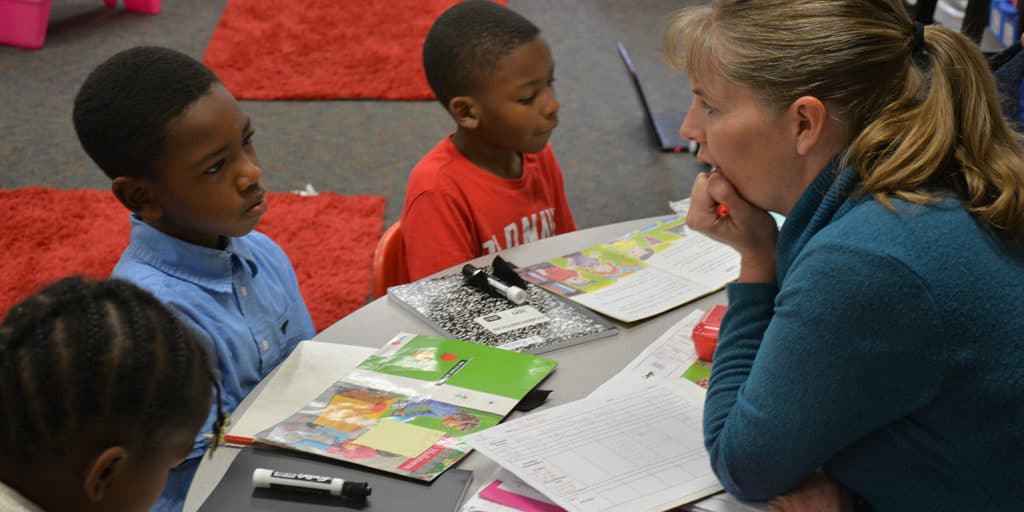
Flexible grouping is a unique teaching method that has been gaining popularity in alternative schooling and education. It’s an approach that involves dividing students into small groups based on their abilities, interests, or learning styles. Each group then receives tailored instruction or activities that best suit their specific needs.
This teaching strategy allows for individualized attention and fosters a sense of community within the classroom. Students benefit from working with peers who have similar strengths and weaknesses, which encourages collaboration and teamwork. Moreover, flexible grouping promotes student-centered learning by giving learners more autonomy over their education.
Teachers can also benefit from this approach as it enables them to target specific areas where students may need help while providing opportunities for challenging advanced learners. This method helps educators differentiate instruction effectively, ensuring each student gets the required support they need.
In conclusion, flexible grouping not only improves academic performance but also enhances social skills such as communication and cooperation among students. It provides an opportunity for personalized learning experiences tailored to meet the diverse needs of every learner in the classroom setting.
 Alternative Amie
Leave a comment