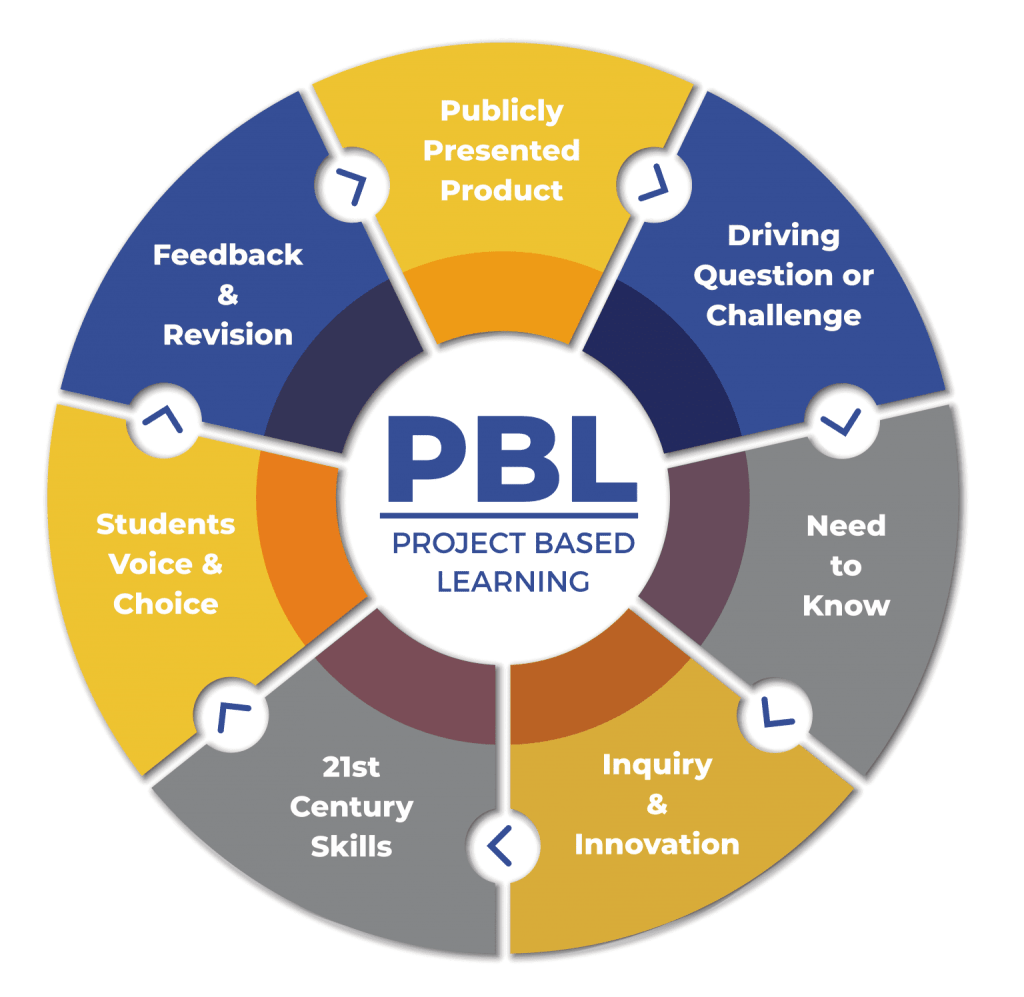
Project-Based Learning: An Alternative Approach to Education
Education is an essential aspect of a person’s life that shapes their future. But, traditional methods of teaching and learning have often been criticized for being too rigid and limiting students’ potential. This is where project-based learning comes in as an alternative approach to education.
Project-based learning (PBL) is a student-centered pedagogy that involves inquiry-based activities and projects designed to promote critical thinking, problem-solving, collaboration, creativity, and communication skills. It empowers students to take ownership of their learning by providing them with opportunities to explore topics that interest them within the framework of academic objectives.
In PBL classrooms, teachers act as facilitators rather than instructors; they guide students through the process while allowing them room for exploration and discovery. Projects are often interdisciplinary in nature, requiring students to integrate knowledge from different subjects into one cohesive project.
One of the primary benefits of PBL is its ability to engage students actively in the learning process. By working on real-world problems or issues relevant to their lives or communities, students can see how what they learn applies outside the classroom. They also gain practical experience through hands-on work that connects theory with practice.
Another advantage is that PBL promotes teamwork and collaboration among peers by encouraging group work on projects. Students learn how to communicate effectively with others who may have different backgrounds or perspectives while developing leadership skills by taking on various roles within groups.
Moreover, PBL helps students develop critical thinking skills by challenging them to analyze information critically before drawing conclusions about it. They learn how evidence supports claims made in research papers or presentations while gaining insights into complex concepts such as cause-and-effect relationships or systems thinking.
Another important benefit of PBL is its adaptability across age ranges and subject areas. Whether it’s science experiments at an elementary level or community development projects at high school levels, there are endless possibilities for designing meaningful projects tailored towards specific age groups.
However, implementing PBL requires a significant shift in teaching practices and classroom dynamics. Teachers need to trust their students and let go of control over the learning process, which can be challenging for some educators. It also requires an adequate amount of time and resources to plan and execute projects effectively.
In conclusion, project-based learning is an innovative approach to education that promotes active participation, critical thinking, collaboration, creativity, and communication skills among students. It offers benefits such as practical experience in real-world problem-solving situations while fostering teamwork skills through group work on projects tailored towards specific age groups. However, it requires a significant shift in teaching practices and classroom dynamics that may not be suitable for all teachers. Nonetheless, with careful planning and execution, PBL has the potential to revolutionize traditional methods of education by empowering students to take ownership of their learning journey.
 Alternative Amie
Leave a comment