Renewable Energy: A Guide to Sustainable Living
As the world becomes more conscious about the impact of climate change, there has been a growing interest in renewable energy. Renewable energy is defined as energy that comes from natural resources that are replenished on a continuous basis. Unlike non-renewable sources of energy such as coal and oil, renewable sources do not generate harmful emissions and offer a sustainable solution for future generations.
If you’re interested in learning more about renewable energy, here’s a guide to get started:
1. Solar Energy
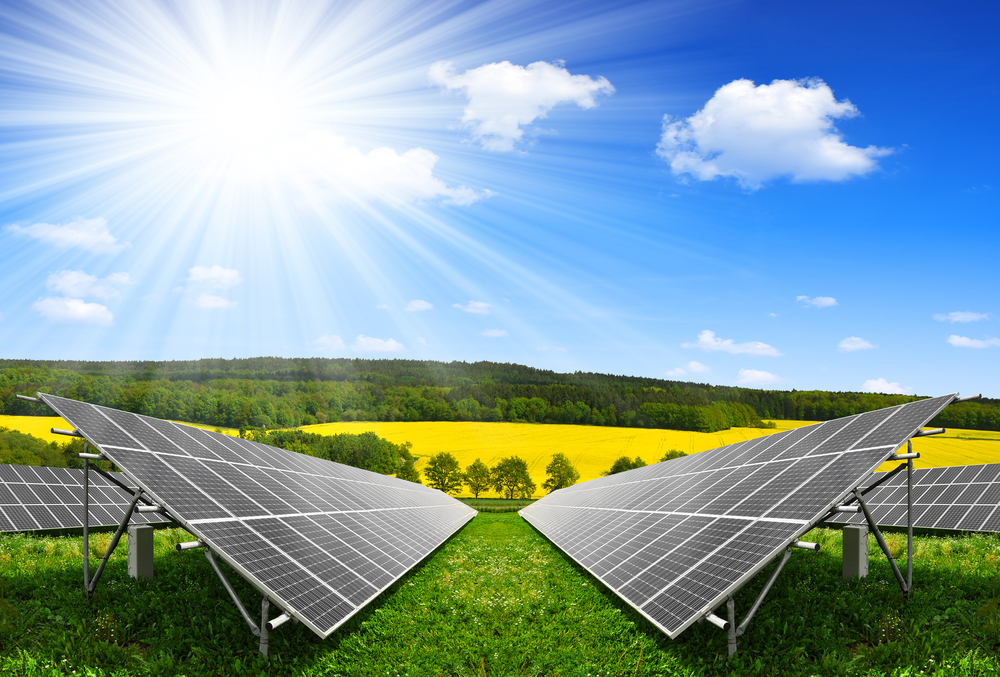
Solar power is one of the most popular forms of renewable energy. It works by converting sunlight into electricity through solar panels installed on rooftops or open spaces. Solar panels are made up of photovoltaic (PV) cells which absorb sunlight and convert it into direct current (DC) electricity. This DC electricity is then converted into alternating current (AC) through an inverter and can be used to power homes or businesses.
2. Wind Energy
Wind power is another popular source of renewable energy that harnesses wind turbines to generate electricity. The blades on wind turbines spin when exposed to wind, generating kinetic energy which drives an electric generator inside the turbine housing. Just like solar power, wind turbines can be installed at home or used commercially.
3. Geothermal Energy
Geothermal power utilizes heat generated beneath the earth’s surface to produce steam which powers turbines connected to generators producing electricity.
4. Hydroelectricity
Hydroelectricity generates electrical power by using water flow or falling water from dams or rivers’ force rotating turbine blades attached to generators.
5.Biomass
Biomass converts organic matter such as wood chips, agricultural crops residues, sewage sludge etc., into fuel for heat generation or conversion into biofuels like ethanol & biodiesel for transportation use.
6.Ocean Power
Ocean Power taps into ocean currents, waves tides , temperature gradients or salinity differences to generate electricity.
Benefits of Renewable Energy
Renewable energy sources offer several benefits over non-renewable sources. First, they are environmentally friendly and do not produce harmful emissions that contribute to climate change. Second, renewable energy is sustainable since it relies on natural resources that are replenished continuously. Thirdly, renewable energy can also save you money in the long run by reducing your reliance on non-renewable sources of power which tend to be more expensive.
In conclusion, renewable energy offers a sustainable solution for future generations while also providing economic benefits. If you’re looking to make a switch towards sustainable living, consider investing in solar panels or wind turbines for your home or business. By doing so, you’ll be playing an active role in combating climate change and building a better future for all.
 Alternative Amie
Leave a comment