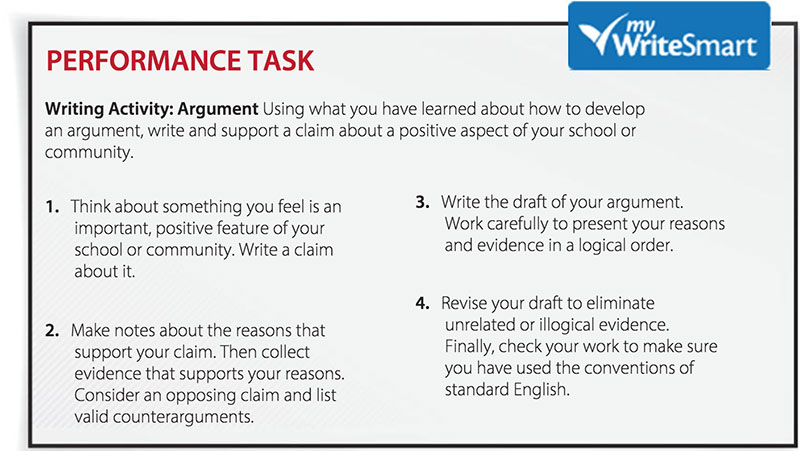
In recent years, education has shifted its focus from traditional classroom learning to a more student-centered approach. This shift is due in part to the recognition that students learn differently and at different paces, and that teachers need tools to help them tailor their instruction to individual students.
One of the most effective tools for this purpose is performance tasks. Performance tasks are assignments or projects that require students to demonstrate their understanding of key concepts by applying them in real-world situations. They are designed to encourage critical thinking, problem-solving skills, creativity, collaboration, communication and other skills valued by employers.
Performance tasks can take many forms depending on the subject matter being taught and the grade level of the students involved. In science classes, for example, performance tasks might involve designing experiments or developing models based on scientific principles. In math classes, they might involve solving problems using real-world data or creating visual representations of mathematical concepts.
At the high school level, performance tasks can be used as a form of assessment for college readiness. Many colleges now require applicants to submit examples of work completed outside of class as part of their application package. By completing performance tasks throughout high school, students not only gain valuable experience working independently but also have evidence to share with potential colleges and employers.
Performance tasks offer several benefits over traditional testing methods such as multiple-choice questions or essays:
1) Real-World Relevance: Performance tasks allow students to apply what they have learned in meaningful ways beyond answering test questions.
2) Motivation: Students are often more motivated when given opportunities to engage with material in hands-on ways rather than just memorizing information for tests.
3) Critical Thinking Skills: Performance tasks help develop critical thinking skills because they require higher-level reasoning abilities such as analysis and synthesis rather than just recall.
4) Collaboration Skills: Many performance task activities require group work which can build teamwork skills necessary not only in academic settings but also later in life on-the-job experiences
5) Assessment: Performance tasks offer a more comprehensive assessment of student understanding, allowing teachers to see how students apply their knowledge in real-world settings rather than just memorizing concepts for a test.
Despite the benefits, implementing performance tasks can be challenging. One issue is that they often require more time and resources to create and grade than traditional assessments. Teachers also need training on how to design effective performance tasks and assess them consistently across classrooms.
Another challenge is ensuring that all students have access to the necessary technology or materials needed for certain types of performance tasks. This can be particularly difficult in schools with limited budgets or those serving low-income populations.
However, many educators believe that the benefits of using performance tasks outweigh these challenges. By incorporating them into lesson plans, teachers can provide opportunities for deeper learning and help prepare students for success beyond school.
Performance-based learning is not new but its increased implementation has been accelerated by technological advancements and a greater emphasis on personalized learning. In addition to providing an opportunity for individualized instruction, it allows instructors to move beyond traditional classroom teaching methods which may not work well for every student.
By giving learners an opportunity to showcase their knowledge through hands-on experiences that align with real-life situations; performance-based education does three key things:
1) It helps develop critical thinking skills as learners are asked to go beyond simple recall questions and apply what they’ve learned in novel ways.
2) It promotes collaboration between learners as they work together on projects or assignments.
3) It provides more accurate measures of what learners know since it requires application rather than regurgitation
In conclusion, Performance Tasks are one tool among many available today aimed at making education relevant, engaging and tailored towards each learner’s needs without compromising quality standards. They allow students opportunities outside regular coursework where they can demonstrate mastery over particular topics while developing cognitive abilities like problem-solving skills or creativity under guidance from qualified instructors who understand how best use these tools within their classrooms.
 Alternative Amie
Leave a comment