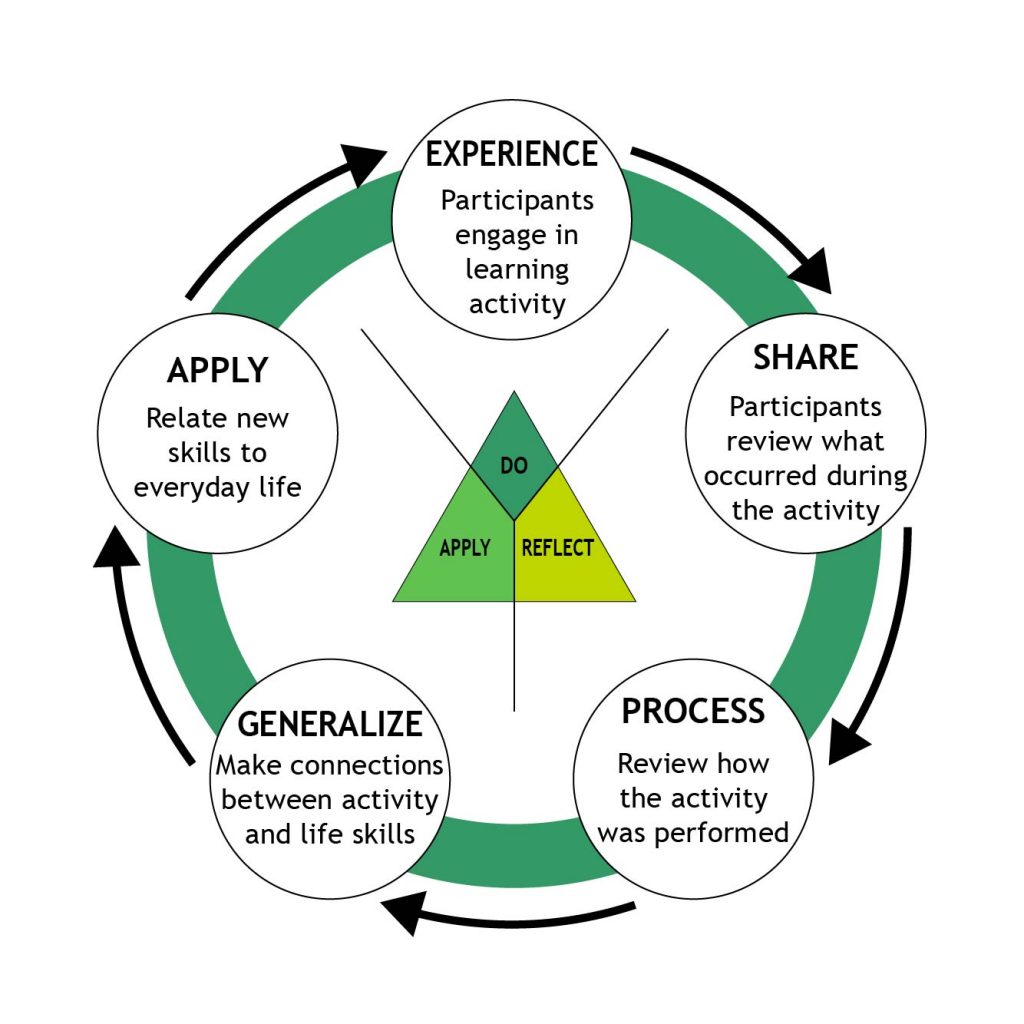
Experiential learning is a teaching approach that emphasizes hands-on experiences and active involvement in the learning process. This type of learning often involves real-world scenarios, problem-solving, and critical thinking. Alternative schools and educational programs have long embraced experiential learning as a way to engage students and help them develop practical skills.
One of the key benefits of experiential learning is that it helps students see the relevance of what they are studying to their lives outside of school. By engaging in activities that mimic real-life situations, students are better able to understand how concepts apply in practice. For example, a student who is struggling with math might benefit from an experiential lesson where they use math skills to plan and budget for a hypothetical road trip.
Another advantage of experiential learning is that it can be more engaging than traditional classroom lectures or textbook readings. Students who participate in hands-on activities tend to be more motivated and interested in what they are doing. This can lead to increased retention of information because students are actively engaged with the material rather than simply listening passively.
Experiential learning also encourages collaboration among peers. Many activities involve group work or teamwork, which teaches valuable communication and leadership skills. In addition, group projects require individuals to listen actively, respect others’ opinions, compromise when necessary, and work towards common goals.
One popular form of experiential learning is service-learning. Service-learning involves incorporating community service into curriculum objectives so that students can learn while giving back to their communities at the same time. This type of experience allows students to apply academic knowledge gained through coursework while also gaining valuable practical experience working alongside community members.
Finally, experiential learning can help prepare students for future careers by allowing them to gain hands-on experience in specific fields or industries before entering the workforce full-time. Through internships or apprenticeships arranged through alternative schools or educational programs, students can start building their professional networks while developing skills that will serve them well in any career.
In conclusion, experiential learning is an effective way to engage students and help them develop practical skills for their future. Alternative schools and educational programs have long embraced this approach, which emphasizes hands-on experiences and active involvement in the learning process. Whether through service-learning or internships, students who participate in experiential learning activities are better prepared for life beyond the classroom.
 Alternative Amie
Leave a comment